97 F150 20 Amp Fuse No Power? Diagnose & Fix Fast
Encountering a 97 f150 20 fuse no power situation can be a frustrating experience, especially when it cuts the lifeblood to critical systems like the dashboard, radio, or lighting. This specific issue indicates that the SAE-style fuse, typically rated at 20 amps, has blown or the connection has failed, creating an open circuit that prevents electrical current from reaching its destination. While the symptom—a sudden loss of function—is clear, the root cause requires a systematic investigation to prevent future failures and ensure the safety and reliability of your Ford F-150.
Identifying the 20-Amp Fuse Location
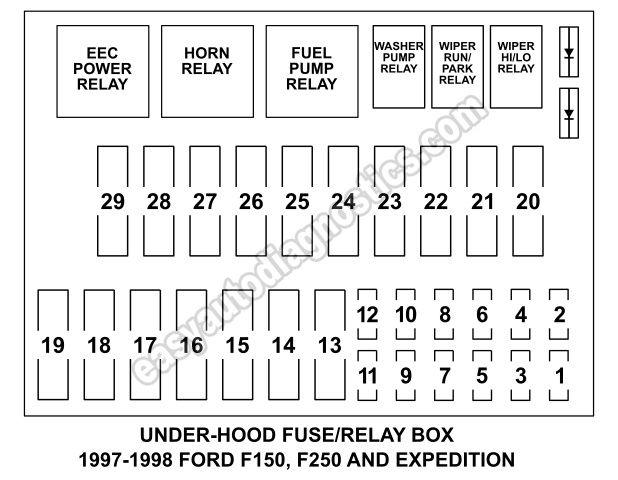
To address the 97 f150 20 fuse no power issue, you must first locate the correct component within the vehicle's electrical architecture. In the 1997 Ford F-150, the fuse box is typically situated in two primary locations: under the dashboard on the driver’s side pillar and within the engine compartment. The under-dash panel is a common culprit for interior circuits, and you can identify the specific 20-amp fuse by consulting the diagram printed on the cover of the fuse box. This diagram maps each fuse to its corresponding system, often labeling the 20-amp slot as controlling the Instrument Cluster, Headlights, or Body Computer.
Checking for Continuity
Once you have identified the fuse, the next step is to verify its condition. A visual inspection might show a broken filament, but many failures occur internally without visible signs. For a definitive diagnosis, you should use a multimeter set to the continuity mode. Remove the fuse from the clip and touch the probes to the metal prongs; a continuous beep signifies that the circuit is intact, while silence confirms that the 97 f150 20 fuse no power condition is caused by a blown element. Replacing the fuse with a new one of the exact amperage is the immediate fix, but understanding why it blew is essential.


Common Causes of Fuse Failure
While replacing the fuse restores power, ignoring the underlying reason for the 97 f150 20 fuse no power event is a recipe for repeated failures. Fuses are designed as sacrificial devices that blow to protect the wiring from excessive current. The most common cause of this specific failure is a short circuit, where a positive wire comes into direct contact with a ground, creating a path of least resistance. This can occur due to worn insulation rubbing on a metal chassis, a failing component drawing too much current, or moisture causing corrosion and conductivity between wires.
Wiring Harness Vulnerabilities
Another frequent contributor to the 97 f150 20 fuse no power issue is the degradation of the wiring harness itself. Over the course of 25+ years, the plastic insulation on wires can become brittle and crack, particularly in areas exposed to heat or friction. Vibration is a constant stressor for any vehicle, and the movement of the engine or chassis can eventually cause a bare wire to ground out against the vehicle frame. If you have replaced the fuse and it blows immediately upon insertion, you are likely dealing with a direct short in the line that requires tracing the wiring to find the damaged segment.


Systematic Troubleshooting Steps
Approaching the 97 f150 20 fuse no power issue with a methodical strategy saves time and prevents damage to the electrical system. Blindly pulling and replacing fuses can lead to misdiagnosis, so a logical sequence is necessary. Start by disconnecting the battery ground cable before removing the old fuse to ensure safety. When installing a new fuse, do not immediately crank the engine; instead, perform a static check. Turn the ignition key to the "On" position and observe if the fuse blows immediately, which would indicate a hard short, or if it holds, suggesting the problem is triggered by a specific component activating.
Component Isolation
If the fuse holds in the "On" position, the next step is component isolation. This involves systematically disconnecting the electrical connectors that share the circuit to narrow down the culprit. For the circuits protected by the 20-amp fuse—often the Instrument Cluster or the Engine Control Module—you would unplug devices one by one. When you disconnect a specific module and the fuse stops blowing, you have identified the faulty component. This component is usually a sensor, actuator, or switch that has failed internally, creating a dead short that the fuse sacrifices to protect the main wiring harness.
When to Seek Professional Help
While the DIY enthusiast can handle many aspects of the 97 f150 20 fuse no power diagnosis, there are scenarios where professional intervention is the most efficient path. If the diagnostic process reveals that the wiring harness itself is damaged—perhaps melted or chewed through by rodents—repairing the integrity of the vehicle’s electrical system requires expertise and specific crimping tools. Furthermore, if the issue points to a complex fault within the Powertrain Control Module (PCM) or the Body Control Module, the advanced diagnostic equipment available at a dealership or specialized shop is often necessary to pinpoint the exact failure mode.


Preventing Future Electrical Failures
Protecting your 1997 F-150 from recurring electrical gremlins involves proactive maintenance of the fuse box and harnesses. Periodically inspect the fuse panel for signs of corrosion or moisture intrusion, as rust on the blade contacts can create resistance and generate heat, leading to failure. Ensure that any replacement fuses match the exact amperage rating; using a higher amperage fuse to prevent blowing is extremely dangerous and can lead to electrical fires. By treating the electrical system with care and addressing the 97 f150 20 fuse no power issue thoroughly, you ensure the longevity and safety of your classic truck.




Related Articles

Kubota Tractor Clutch Problems? Diagnose No Power Solutions Fast
Kubota tractors are celebrated for their durability and engineering excellence, yet even these robust machines can develop issues over time. One of the most...

1997 4Runner No Power to Accessories? Diagnose & Fix Fast
Owners of a 1997 Toyota 4Runner understand the rugged capability of the platform, but frustration sets in when the accessories lose power while the engine...

2002 Jeep Liberty No Heat? Diagnose the Issue Fast!
Experiencing a 2002 Jeep Liberty with no heat is a common and frustrating issue, especially during the colder months. This problem disrupts your comfort and...

Water Leak in Trunk of a Civic? Diagnose & Fix Fast
Discovering a water leak in trunk of civic is a scenario no Honda owner expects. This issue, while concerning, is often manageable with the right diagnostic...

01 Lincoln LS No Heat? Diagnose & Fix HVAC Issues Fast
Dealing with a 01 lincoln ls no heat situation on a cold morning is more than an inconvenience; it is a test of patience and automotive understanding. This...

2010 Dodge Ram Not Charging? Diagnose the Issue Fast
There is a distinct sense of dread that follows the turn of the key in a 2010 Dodge Ram, only to see the battery warning灯 glow stubbornly on the dashboard...