Secure Treehouse Roof Rafters: Expert Guide to Attaching with Rafter Ties
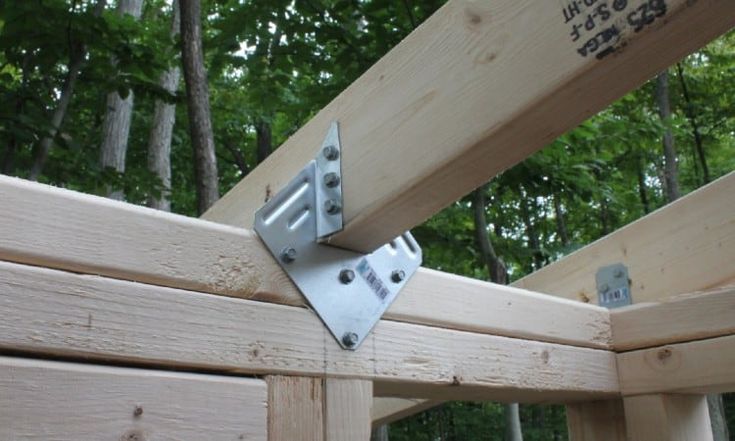
Securing the roof structure is the most critical step in any treehouse build, and using rafter ties is the proven method for transforming simple rafters into a rigid, unified frame. While it might seem like a straightforward task of nailing a board to the top of your beams, proper technique involves understanding load paths, wood movement, and the specific forces that act on a treehouse during high winds or occupancy. A correctly installed rafter tie does more than just hold the roof at a set height; it actively prevents the walls from spreading and the roof from collapsing under snow or heavy rain. This guide focuses on the essential practice of attaching treehouse roof rafters with rafter ties, breaking down the process into clear, actionable steps that prioritize long-term stability and safety.
The Engineering Principle Behind Rafter Ties
To appreciate why this technique is non-negotiable, it helps to look at the physics involved. A roof without lateral restraint acts like an accordion when subjected to wind uplift or uneven weight distribution; the rafters can spread outward, causing the peak to sag and the walls to buckle. Rafter ties counteract this by converting the downward and outward forces into a balanced compression system along the ridge and the wall plates. For treehouses, where the structure is often elevated and subject to dynamic sway, this bracing is not optional—it is the fundamental element that keeps the platform level and the roof stable. Choosing the right size and material for your rafter ties is the first step in ensuring the integrity of the entire build.
Selecting the Right Hardware and Materials
The choice of materials directly impacts the durability and strength of the connection. While dimensional lumber is commonly used for the ties themselves, steel straps or threaded rods are often preferred for high-load applications or in areas with frequent severe weather. When using wood, species like oak or maple are ideal due to their density and resistance to shear forces. The fasteners are equally important; relying solely on nails is risky, as they can shear under pressure. Construction screws or structural bolts provide the necessary holding power to keep the tie securely fastened to both the rafter and the wall plate, ensuring the connection point fails last in a structural failure scenario.


| Material Type | Best For | Key Advantage |
|---|---|---|
The Step-by-Step Installation Process
Installing rafter ties correctly requires precision during the framing stage, as adjustments become difficult once the roof sheathing is in place. Start by positioning the ties at the very top edge of the rafters, ensuring they run parallel to the ridge board. It is vital to align the ties so they fall within the vertical plane of the wall plates below; if they are installed too high or too low, the transfer of load becomes inefficient. Before securing the ties, double-check that all rafters are level and properly spaced to avoid a twisted roof plane. Once alignment is confirmed, the tie can be fastened using a combination of screws and construction adhesive to create a bond that resists both pull and shear forces.
Accounting for Tree Movement
One of the biggest differences between a treehouse and a ground structure is the movement of the host trees. Trees sway in the wind, and their girth can expand or contract with changes in humidity and sap flow. Rigidly attaching rafter ties without allowing for this movement can cause cracks in the tree or put undue stress on the frame. To mitigate this, use sliding plate connectors or oversized bolt holes that allow the tie to move slightly with the tree. Flexible bearings or rubber pads can be inserted between the tie and the tree trunk to absorb lateral motion. This dynamic approach ensures that the roof remains stable without fighting the natural biology of the supporting trees.


While the structural integrity is paramount, the appearance of the rafter ties contributes to the overall rustic charm of the treehouse. Exposed steel straps can be painted to match the exterior finish, or they can be hidden behind ornamental wooden battens that run along the underside of the roofline. If you are using wooden ties, consider routing a decorative profile along the edges to blend seamlessly with the rafters. The goal is to ensure that the functional element of the build also enhances the visual appeal, creating an architecture where the strength is felt but not always seen. This attention to detail results in a finish that looks as good as it performs.
Long-Term Maintenance and Inspection
Even with perfect installation, a treehouse requires ongoing vigilance to maintain its structural soundness. Inspect the rafter ties annually, looking for signs of loosening, rust, or wood rot at the connection points. Pay close attention to the condition of the fasteners, replacing any corroded screws or bolts immediately to prevent failure. If you notice any new gaps forming between the rafter and the tie, it may indicate that the tree is shifting or that the load is exceeding the original design. Addressing these signs early ensures that your roof remains a secure shelter rather than a source of instability, allowing you to enjoy your elevated retreat with complete peace of mind.




Related Articles

Mastering Big Roof Framing: Expert Guide to I-Joist Rafters
Framing a big roof with i-joist rafters is no longer a niche experimental technique; it has become a mainstream solution for builders aiming for longer spans...

The Ultimate Guide to Securing Railroad Ties: Expert Tips & Solutions
Railroad ties, whether vintage creosote-treated timber or modern composite beams, form the skeletal foundation of any enduring landscape project. Securing...

Fix Rafter Collector From Below Roof: Expert DIY Guide
When addressing structural instability in a roof frame, the fix of a rafter collector from below the roof is a critical intervention that demands precision and...

"Secure Comfort: Outdoor Chair Cushions with Ties for Durable Relaxation"
Elevate Your Outdoor Space: The Benefits of Outdoor Chair Cushions with Ties Transform your patio, deck, or balcony into a cozy, inviting oasis with outdoor...

"Secure & Stylish: Chair Seat Cushions with Ties"
In the quest for both comfort and practicality in our seating arrangements, chair seat cushions with ties have emerged as a popular and functional solution...

"Revamp Your Outdoor Space: Expert Guide to Hardtop Gazebo Roof Replacement"
Revitalize Your Outdoor Space: A Comprehensive Guide to Hardtop Gazebo Roof Replacement Is your hardtop gazebo roof showing signs of wear and tear? Don't let a...