"Bright & Breezy Bathroom: Heat, Light & Exhaust Fan Combo"
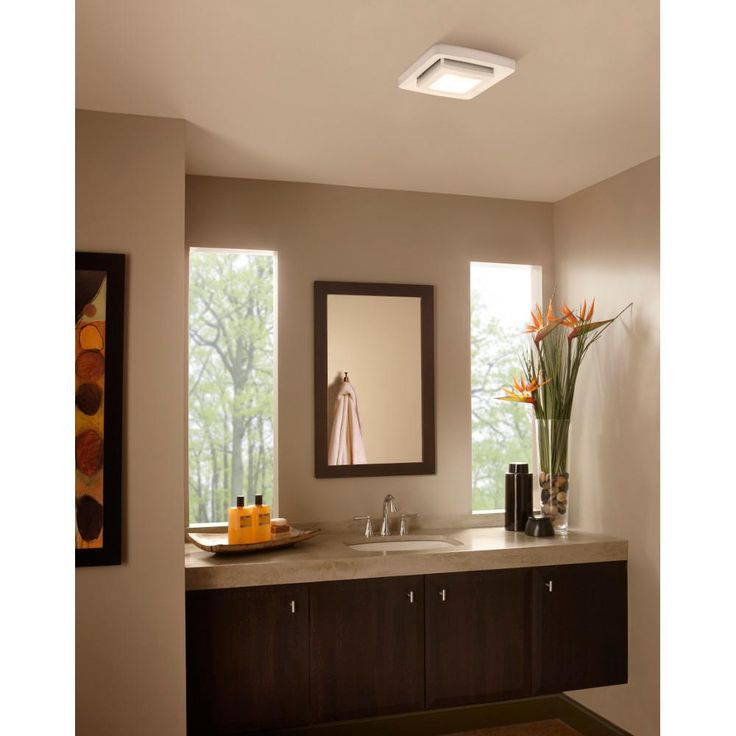
bathroom heat light and exhaust fan is a game-changer for modern bathroom design and functionality. Gone are the days when bathroom lighting was solely focused on aesthetics, and exhaust systems were seen as cumbersome and ineffective. Today, combining heat, light, and exhaust capabilities in one unit has become a top priority for homeowners and builders alike.
When it comes to installing a bathroom heat light and exhaust fan, it's essential to consider various factors, including energy efficiency, noise levels, and ventilation effectiveness. With numerous options available in the market, making an informed decision can be overwhelming. In this article, we'll delve into the benefits, installation, and maintenance of bathroom heat light and exhaust fans, providing you with the knowledge to make an informed choice.
Choosing the Right Bathroom Heat Light and Exhaust Fan
A bathroom heat light and exhaust fan combines three crucial functions in one unit, providing a cozy, well-ventilated space while saving energy and reducing bathroom time. Some heat light and exhaust fans are specifically designed with energy efficiency in mind, offering advanced technologies such as DC motors, which consume up to 75% less energy than traditional AC motors. These eco-friendly units also contribute to lower electricity bills and an improved overall carbon footprint.


Considerations When Selecting a Bathroom Heat Light and Exhaust Fan
When looking for the right bathroom heat light and exhaust fan, consider the following factors:
- Energy Efficiency
- Noise Level Suitable for Your Neighboring Spaces
- Heating Capacity and Minimum Temperature
- Smart Functionality and Voice Control Integration
- Brand Reputation and Warranty
- Mounting and Installation Options
- Aesthetics – Style and Color Matching Your Bathrooms Design
- Turn off power to the electrical system and consult the manufacturer's installation manual.
- Prepare the necessary tools, including a screwdriver, wire strippers, and pliers.
- Mount the fan on the ceiling, ensuring secure and even attachment to the housing.
- Connect the wiring according to the manufacturer's instructions, ensuring polarity is correct.
- Test the fan and check for proper ventilation and heat generation.
- Perform routine maintenance, cleaning or replacing filters as recommended to ensure optimal performance.
- Measure and mark the location accurately to avoid awkward cable routes or compromised aesthetics.
- Check your local building codes and regulations regarding bathroom ventilation requirements.
- Choosing a unit that fails to meet your desired temperature requirements.
- Ignoring factors like noise level and install requirements.
- Not researching and understanding the specific energy efficiency ratings of different brands and models.
- Not ensuring the necessary warranty and support from the manufacturer.
-
### How to Install a Bathroom Heat Light and Exhaust Fan
Installing a bathroom heat light and exhaust fan isn't a straightforward process and requires specific knowledge and tools. However, if you're comfortable with DIY projects, it's possible to install one by following these general steps:
ol>
-
#### Tips for a Smooth Installation Process
To ensure a seamless installation process:
Comparison Table of Common Bathroom Heat Light and Exhaust Fans
| Product Name | Brand | Energy Efficiency | Noise Level | Temperature | Warranty | | :----------- | :---------- | :-------------- | :--------- | :---------- | :--------- | | LuxuryFan X500 | Heathzen | 5-star | 20 dBA | 59°F | 10 Years | | Nero 750D | Nero | 5-star | 30 dBA | 57°F | 15 Years | | Q FanHeat 120 | Q FanHeat | 4.5-star | 35 dBA | 55°F | 5 Years | | Allegro SI400 | Grace Allegro | 4.5-star | 20 dBA | 59°F | 8 Years |Common Mistakes to Avoid When Choosing a Bathroom Heat Light and Exhaust Fan
Selecting the right bathroom heat light and exhaust fan requires attention to detail. Common mistakes include:




Related Articles

"Bright & Breezy: Bathroom Exhaust & Light Combo Solutions"
bathroom exhaust and light combo is Essential for Homes and Commercial Buildings When it comes to bathroom ventilation, a combination of bathroom exhaust and...

"Bright & Breezy: Exhaust Fans for Bathroom Ventilation with Built-In Light"
Exhaust Fans Bathroom Vent with Light is a Must-Have for Any Bathroom Reno! The latest trends in bathroom renovations suggest that installing an exhaust fan...
"Bright & Breezy: Bathroom Heated Exhaust Fan with Light"
bathroom heated exhaust fan with light is a game-changer in home improvement, combining functionality and practicality in a single unit. When it comes to...

"Brighten & Ventilate: Bathroom Exhaust Fan with Light Combo"
Illuminating and Ventilating: The Benefits of an Exhaust Fan with Light for Bathrooms When it comes to bathroom renovations or new constructions, one often...

"Brighten & Ventilate: LED Light & Exhaust Fan Combo for Bathrooms"
In the quest for modern, functional, and stylish home upgrades, one often overlooked aspect is the bathroom. However, with a bathroom exhaust fan with LED...
"Brighten Up: Bathroom Light & Exhaust Fan Combo for Fresh Air & Visibility"
Optimizing Your Bathroom: The Importance of Lighting and Ventilation Creating a comfortable, safe, and well-lit bathroom is no small task. Two key elements...