"Mastering Wall Rug Hanging: The Best Methods for a Stylish Wall Display"
Elevate Your Space: The Best Way to Hang a Rug on a Wall
In the quest to create a visually stunning and functional living space, one often overlooked design element is the humble rug. While traditionally used to warm up floors, rugs can also be transformed into captivating wall art. Hanging a rug on a wall not only adds a unique touch to your decor but also serves practical purposes, such as defining spaces in open-plan homes or protecting walls from scuffs. Let's delve into the best way to hang a rug on a wall, ensuring a professional finish that enhances your space.
Understanding the Benefits of Hanging a Rug on a Wall
Before we dive into the how-to, let's explore the advantages of this design trend. Firstly, hanging a rug on a wall can create a striking focal point, drawing the eye upward and making your ceilings appear higher. Secondly, it's an excellent way to add texture and warmth to an otherwise bare wall. Lastly, it's a practical solution for protecting walls, especially in high-traffic areas or homes with pets.
Choosing the Right Rug for Wall Hanging
Not all rugs are created equal, and some are better suited for wall hanging than others. When selecting a rug for this purpose, consider the following:


- Size: Opt for a rug that's proportionate to the wall space. A good rule of thumb is to choose a rug that's about two-thirds the width of the wall.
- Weight: Lighter rugs are easier to hang and less likely to cause damage to your walls. Consider rugs made from materials like cotton, wool, or silk.
- Design: Patterns and textures can add visual interest when a rug is hung on a wall. Don't be afraid to choose a rug with a bold design or unique texture.
Gathering Your Tools and Materials
Before you begin, ensure you have the following tools and materials on hand:
- Rug
- Rug hook or eyelet screws
- Drill
- Level
- Pencil
- Tape measure
- Stud finder (optional, but recommended)
Preparing Your Wall for Hanging
Before you start drilling, it's crucial to locate the studs in your wall. Studs are vertical wooden supports behind your drywall that provide extra strength. Hanging your rug from a stud will ensure it stays securely in place. Use a stud finder to locate the studs, marking their positions with a pencil.

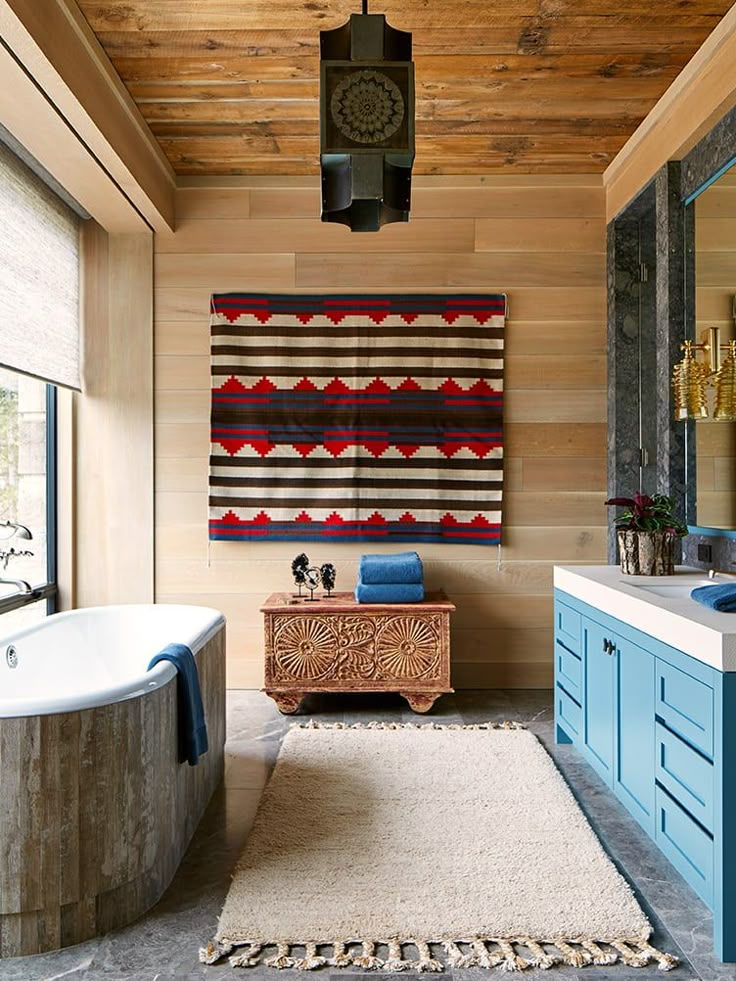

Hanging the Rug: Step-by-Step
Now that you've prepared your wall, it's time to hang your rug. Here's a step-by-step guide:
- Measure and mark the top of your rug on the wall using a pencil. Ensure the mark is level.
- Using a drill, create pilot holes at the marked spots, ensuring you're drilling into the studs. If you're not using studs, use wall anchors designed to support the weight of your rug.
- Screw the rug hooks or eyelet screws into the pilot holes. The hooks should face inward, creating a ledge for the rug to rest on.
- Carefully place the top of your rug onto the hooks, ensuring it's level and centered.
- Step back and admire your handiwork! If needed, make any necessary adjustments.
Alternative Methods for Hanging a Rug on a Wall
If drilling into your walls isn't an option, there are alternative methods for hanging a rug. One popular method is using removable adhesive hooks. These hooks can support a surprising amount of weight and are perfect for rentals or homes where drilling is prohibited. Another option is to use a tension rod, which can be placed between two walls, creating a makeshift frame for your rug.
Caring for Your Wall-Hung Rug
Once your rug is hung, it's essential to care for it properly to ensure it maintains its beauty for years to come. Regularly dust your rug with a soft brush to remove any dirt or debris. If your rug becomes dirty, spot clean it using a mild soap and warm water. Always ensure your rug is completely dry before hanging it back on the wall.


In conclusion, hanging a rug on a wall is a creative and practical way to enhance your living space. With the right tools, materials, and know-how, you can transform a simple rug into a stunning wall art piece. So go ahead, embrace this design trend, and watch as your space is elevated to new heights.


Related Articles

"Mastering Wall Display: The Best Way to Hang Jerseys"
Display Your Pride: The Best Ways to Hang Jerseys on Wall Whether you're a sports enthusiast, a collector, or simply want to preserve a piece of nostalgia...

"Mastering Bedroom LED Strip Lighting: Top Hanging Methods"
Elevate Your Bedroom Ambiance: The Best Way to Hang LED Strip Lights LED strip lights have become a popular choice for enhancing bedroom aesthetics, creating a...

"Mastering the Perfect Gallery Wall: Best Hanging Techniques"
Creating a stunning gallery wall is an excellent way to showcase your art collection, family photos, or decorative prints. It's a project that can transform a...

"Mastering the Mount: Step-by-Step Guide to Hanging Your TV on the Wall"
How to Hang a TV on the Wall: A Comprehensive Guide Mounting your TV on the wall can save space, improve your viewing experience, and add a modern touch to...

"Mastering Wall Art: A Step-by-Step Guide to Hanging Perfectly"
Elevate Your Space: A Comprehensive Guide to Hanging Wall Art Transforming your living space into a reflection of your personal style is an exciting journey...

"Mastering Wall Art: How to Hang Pictures Perfectly Every Time"
Elevate Your Space: A Comprehensive Guide to Hanging Pictures on Walls Hanging pictures on walls is an art that transforms empty spaces into personalized...