Build Your Own Sailboat: The Ultimate DIY Guide & Blueprint
The dream of cutting through the open sea under full sail is a powerful call. Building your own sailboat is the most direct way to turn that dream into reality, transforming a sketch in a notebook into a vessel that carries your sweat, skill, and personal story. This journey blends engineering, craftsmanship, and a deep connection to the maritime tradition, resulting in more than just a boat—it’s a legacy you can touch and feel.
Choosing Your Path: Design and Philosophy
Before any wood is cut or fiberglass laid, the most critical decision is defining your purpose. Are you envisioning a quiet daysailer on a local lake, a rugged coastal cruiser for weekend adventures, or a serious offshore racer? This choice dictates everything from the hull shape to the interior layout. Popular designs range from simple, proven kits like the plywood-based “Mirror” or “Sharpie,” to more complex traditional forms like the Scandinavian “Skerry Cruiser” or the classic American “Sharpie.” Consider your budget, available workspace, and the time you can realistically dedicate to the project. A functional, minimalist design is often the most rewarding for a first build, allowing you to master fundamental skills without being overwhelmed by intricate veneers or complex systems.
Understanding the Materials
The materials you select define the character, weight, and longevity of your creation. Wood remains the most traditional and popular choice, offering beauty, repairability, and a sense of warmth. Modern cold-molded construction, which layers thin wood veneers over a core in alternating directions, creates a hull that is incredibly strong, lightweight, and torsionally rigid. For those seeking a more contemporary approach, composite materials like fiberglass or carbon fiber provide exceptional strength-to-weight ratios and a smooth, enduring finish, though they require significant investment in molds and safety equipment. Each material demands specific tools and techniques, so your selection should align with the skills you are eager to develop.


The Construction Process: From Framework to Hull
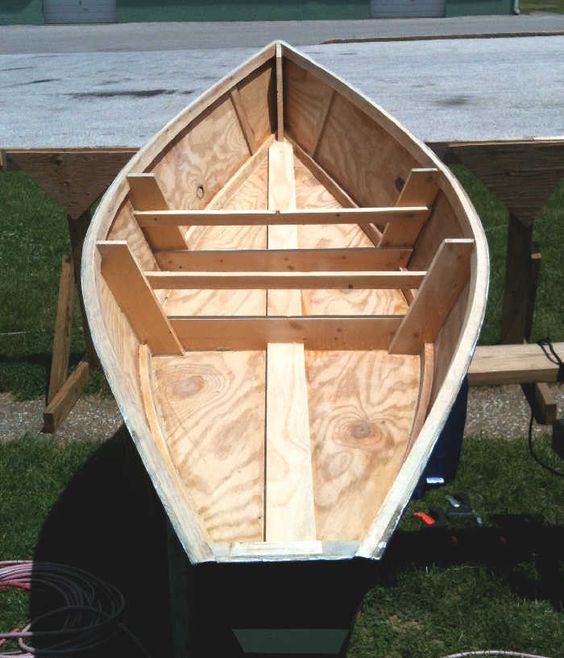
The heart of any sailboat is its structure, and building it is a rewarding sequence of precise steps. The process typically begins with creating a robust building jig, a heavy-duty frame that holds the components in perfect alignment throughout construction. Next, you’ll construct the strongback and install the temporary frame molds, which give the hull its final shape. If using wood, you’ll then install the chines (the sharp edges where the bottom meets the sides) and frames, meticulously bending and fitting the hull planks. For cold-molded designs, this involves laying up veneers with epoxy and securing them with fiberglass tape. The result is a rigid, naked hull—a true testament to your engineering prowess—waiting to be sealed and protected.
Systems and Rigging: The Boat’s Nervous System
A hull is just the beginning; the true functionality of a sailboat lies in its systems. Installing the rudder and tillering mechanism requires careful alignment to ensure the helm feels balanced and responsive. The centerboard or keel, which provides lateral resistance to prevent sideways sliding, must be precisely fitted and tested. Arguably the most iconic part of the build is the rigging—the spars, standing rigging, and running rigging that transform the boat from a static object into a dynamic sailing machine. Selecting the right mast, boom, and sail plan is crucial. You’ll need to calculate the optimal sail size and rig tension to match your boat’s design, a process that blends physics with practical seamanship.


Finishing and the Final Launch
With the structure complete and systems installed, the construction enters its most aesthetic phase: finishing. This involves sanding the hull to a smooth perfection, applying a barrier coat to lock out moisture, and then laying up the final fiberglass laminate or painting a multi-coat topsides system. For wood, this might mean applying a beautiful varnish or paint system that protects the grain and brings the design to life. The final stages include installing all hardware—cleats, winches, fairleads—and conducting a thorough systems check. The culmination of months of work is the launch, a moment of profound pride as you lower your creation into the water for the first time and feel its weight settle into the waves.
Joining the Community and Setting Sail
Building a sailboat is rarely a solitary endeavor. Engaging with the community of amateur boatbuilders is invaluable. Online forums, local woodworking or sailing clubs, and classic boat association meetings are treasure troves of advice, warnings, and encouragement. Seasoned builders are often eager to share their hard-won knowledge, saving you from costly mistakes and offering solutions to unexpected challenges. Once your boat is complete and sea trials are complete, the final step is to simply go sailing. Feel the power of the wind in your sails, appreciate the quiet hum of your own creation, and know that you have not just built a boat, but a vessel for a lifetime of memories on the water.




Related Articles

"Mastering Your Garden: Step-by-Step Guide to Building Vegetable Planter Boxes"
Creating Perfect Plots: A Comprehensive Guide to Building Vegetable Planter Boxes Embarking on a gardening journey? Building your own vegetable planter boxes...

"Mastering Clubhouse: A Step-by-Step Guide to Building Your Own"
Building a Clubhouse: A Comprehensive Guide Creating a clubhouse is an exciting project that combines practical construction with creative design. Whether...

"Top-Rated Home Building Materials: Your Ultimate Guide"
Best Home Building Materials: Durable, Sustainable, and Stylish When it comes to building a new home, choosing the right materials is crucial. The materials...

"Trailer Bathroom Blueprint: Step-by-Step Guide to Build Your Dream Bathroom on Wheels"
Building a bathroom in a trailer is a challenging task, but with the right planning and execution, it can be a rewarding project for DIY enthusiasts and...

Blueprint for Tracking Device: The Ultimate Guide to Efficiently Locate and Manage Your Assets
In an era defined by connectivity and data, the concept of a blueprint for tracking device architecture has moved from niche applications to a foundational...

"Affordable Bear Rug & Taxidermy Cost: Your Ultimate Guide"
Understanding Bear Rug Taxidermy Cost: A Comprehensive Guide Embarking on the journey of preserving a beloved pet or creating a unique home decor piece with a...