Closures at Bottom of Metal Roof: Secure, Weatherproof Solutions
When water infiltrates a metal roof assembly, it typically seeks the path of least resistance, often accumulating at the lowest points. These vulnerable junctions, where panels meet vertical walls, curbs, or other structural elements, are known as closures at bottom of metal roof. Properly engineered and installed, these components are the last line of defense against the hydrostatic pressure that can force water beneath the roofing material.
Understanding the Mechanics of Water Flow
To appreciate the role of closures at bottom of metal roof, one must first understand the physics driving moisture intrusion. Wind-driven rain creates significant pressure against the face of a wall or parapet, forcing water up the slope of the roof membrane. Gravity pulls the water downward, and when it reaches an immovable vertical barrier, it flows horizontally until it finds a termination point. Without a robust termination strip, this water will wick into gaps, seeking interior spaces where it can cause catastrophic damage.
The Anatomy of a Proper Termination
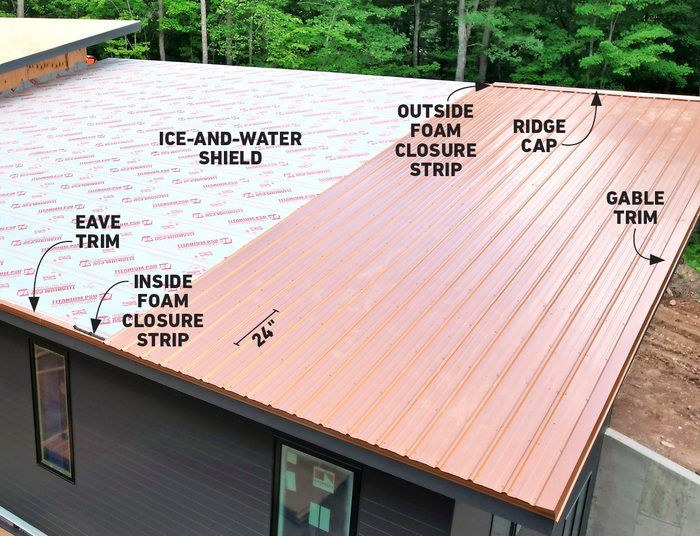
A robust closure at bottom of metal roof is rarely a single component; it is a system. It generally consists of a primary drip cap, a flashing membrane, and a mechanical lock or fastening system. The drip cap is shaped to encourage water to fall away from the joint, while the membrane is laid beneath the metal to create a continuous, waterproof barrier. The fasteners must be corrosion-resistant and designed to maintain a tight seal without compromising the metal substrate through excessive penetration.


Common Failure Points and Installation Errors
Even with high-quality materials, the integrity of closures at bottom of metal roof is compromised by poor installation. One frequent error is the improper lapping of membranes; if the flashing is not layered correctly—similar to shingle coursing—it creates channels for water to travel upward. Another critical mistake is sealing the vertical leg of the termination without allowing for thermal expansion. Metal roofs expand and contract significantly with temperature fluctuations; if the closure is rigidly fixed, the stress will eventually crack the seal or warp the profile.
Material Selection and Environmental Considerations
The choice of materials for closures at bottom of metal roof must align with the building's geographic location and environmental stressors. In coastal regions, the salt-laden fog and high humidity demand architectural-grade stainless steel or copper rather than coated aluminum. In areas with extreme temperature swings, the elongation properties of the membrane become critical. A material that is flexible in winter heat-resistant in summer will ensure the closure maintains its integrity year-round, preventing brittle fractures that lead to leaks.


Code Compliance and Best Practices
Modern building codes, such as the IRC and IBC, provide strict guidelines regarding the minimum requirements for roof edge terminations. These regulations dictate the minimum slope, the required height of the termination above grade, and the specifics of the flashing design. Adhering to these standards is not merely a legal obligation; it is a professional guarantee that the closures at bottom of metal roof will perform as intended throughout the life cycle of the building. Best practices often exceed these minimums, incorporating redundant layers of protection to mitigate the risk of long-term water damage.
Ultimately, the details of metal roof edge protection dictate the longevity of the entire structure. By treating closure at the bottom of the roof not as an afterthought, but as a critical engineering solution, builders and architects can ensure the interior remains dry, secure, and protected from the elements. Attention to these specifics transforms a simple roof into a durable, high-performance envelope.




Related Articles
Understanding Closures at the Bottom of Your Metal Roof
Standing seam metal roofs are celebrated for their durability and weather resistance, yet even the most carefully installed systems rely on a critical, often...
"10x10 Metal Roof Gazebo: Durable & Stylish"
Discover the perfect blend of style, durability, and functionality with a 10x10 metal roof gazebo. These structures are not only aesthetically pleasing but...

"Top-Rated Metal Cabinets for Secure & Stylish Storage"
Elevate Your Storage Solutions: The Power of Metal Cabinets In the quest for efficient and durable storage solutions, metal cabinets stand out as a reliable...

"Stylish Metal Stair Handrails: Durable & Safe Solutions"
Metal handrails for stairs are a crucial component of any staircase, serving both functional and aesthetic purposes. They provide safety and support, while...

"Top 3 Kayak Storage Racks: Secure & Space-Saving Solutions"
Are you a kayaking enthusiast looking for a practical and space-saving solution to store your kayaks? A 3 kayak storage rack could be the perfect answer to...

"Elevate Your Outdoor Space: Stylish Gazebos with Durable Metal Roofs"
Elevate Your Outdoor Space: The Charm of a Gazebo with Metal Roof In the pursuit of creating a picturesque and functional outdoor living space, one structure...