"Transformative Dining Room Living Room Molding Ideas: Elevate Your Space"
Elevate Your Space: Dining Room Living Room Molding Ideas
Transforming your dining room and living room into cohesive, stylish spaces is an art, and crown molding is one of the most elegant tools in your design toolbox. It adds a touch of sophistication, enhances the architecture of your rooms, and can even make your ceilings appear higher. Let's explore some stunning dining room living room molding ideas that blend functionality with aesthetics.
Understanding Crown Molding
Before we dive into ideas, let's quickly understand what crown molding is. Crown molding is a decorative trim that sits at the junction of the wall and ceiling. It's typically used to soften the transition between these two surfaces and add a touch of elegance. Now, let's look at how you can incorporate it into your dining and living rooms.
Matching Molding for a Cohesive Look
One of the simplest yet most effective dining room living room molding ideas is to use the same molding in both rooms. This creates a sense of continuity and flow, making the two spaces feel like they belong together. Whether you choose a classic colonial style or a more modern, streamlined look, maintaining consistency will give your home a polished, well-designed feel.


Highlighting Architectural Features
If your dining room and living room have unique architectural features like tray ceilings, built-in bookcases, or fireplaces, consider using crown molding to highlight these elements. For instance, you could use a more intricate, ornate molding around a tray ceiling to draw the eye up and emphasize the room's unique feature. In the living room, you might use a simpler, cleaner molding around the fireplace mantel to create a harmonious balance.
Mixing and Matching Molding Styles
While consistency is key, it doesn't mean you can't have fun with different styles. In fact, mixing and matching molding styles can add depth and interest to your spaces. For example, you might use a traditional, ornate molding in your dining room to evoke a sense of grandeur, while opting for a sleek, modern style in your living room to create a more relaxed atmosphere.


Creating a Two-Tone Effect
Another dining room living room molding idea is to paint the molding a different color than your walls. This creates a striking two-tone effect that can make your rooms feel more dynamic. For instance, you might paint the molding a rich, dark color to create a dramatic contrast with lighter walls, or vice versa. This technique works particularly well in rooms with high ceilings, as it draws the eye upward and emphasizes the room's vertical space.
Adding Depth with Layered Molding
For a more dramatic look, consider layering multiple pieces of molding. This technique adds depth and texture to your walls and can create a stunning focal point. In your dining room, you might layer a simple crown molding with a chair rail and baseboard to create a classic, elegant look. In your living room, you could layer a crown molding with a picture rail to create a more modern, eclectic vibe.
Choosing the Right Molding for Your Space
With so many dining room living room molding ideas to choose from, it's important to select a style that complements your space. Here are a few tips to help you make the right choice:


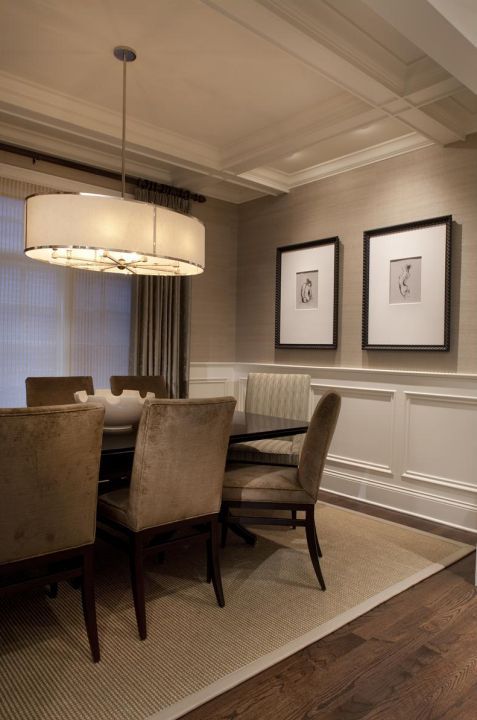


- Consider your room's architecture: Look for molding styles that complement the existing architecture of your rooms. For example, if your home has traditional features, you might opt for a more classic, ornate molding.
- Think about your decorating style: Choose a molding style that aligns with your overall decorating style. If you prefer a modern, minimalist look, opt for a sleek, streamlined molding. If you're drawn to traditional, classic styles, consider a more ornate, detailed molding.
- Scale matters: Make sure the molding you choose is appropriately scaled for your room. In smaller spaces, a simpler, less detailed molding can help prevent the room from feeling overwhelmed. In larger spaces, you can afford to be more dramatic with your molding choices.
Installing Crown Molding: A Quick Guide
If you're feeling DIY-inclined, installing crown molding can be a rewarding project. Here's a quick guide to help you get started:
| Step | Action |
|---|---|
| 1 | Measure and cut your molding to fit the walls of your room. Most crown molding is cut at a 45-degree angle to create a seamless, mitered corner. |
| 2 | Apply construction adhesive to the back of the molding to help it stick to the wall. |
| 3 | Use a nail gun or finish nailer to attach the molding to the wall. Start in a corner and work your way around the room, using a level to ensure the molding stays straight. |
| 4 | Fill any nail holes with spackling compound, then sand and paint the molding to match your walls. |
Remember, the key to a successful crown molding installation is patience and precision. Take your time measuring and cutting your molding, and don't be afraid to ask for help if you need it.
Incorporating crown molding into your dining room and living room is a fantastic way to elevate your space and add a touch of sophistication. Whether you opt for a cohesive, matched look or prefer to mix and match styles, there's a dining room living room molding idea out there that's perfect for your home. So go ahead, get creative, and let your personality shine through in your design choices.


Related Articles

"Elevate Your Space: 15 Stunning Upper Molding Ideas for Living Rooms"
Elevate Your Living Room: Creative Upper Molding Ideas Transform your living room from ordinary to extraordinary with the power of upper molding. This often...

"Luxurious Living Room Ideas: Elevate Your Space in Style"
Elevate Your Space: Rich Living Room Ideas for a Luxurious Home Transform your living room into a sanctuary of sophistication and comfort with these rich and...

"Elevate Your Space: Grey & White Living Room Rug Ideas"
Elevate Your Space: The Charm of Grey and White Living Room Rugs In the realm of interior design, few elements can transform a living room as dramatically and...

"Elevate Your Space: 15 Stunning Gray Living Room Wall Decor Ideas"
Elevate Your Space: Inspiring Gray Living Room Wall Decor Ideas Embracing a gray living room can create a sophisticated and versatile canvas for your decor...

"Elevate Your Space: 10 Elegant Living Room Ideas"
Elevate Your Space: Elegant Living Room Ideas Transform your living room into a sophisticated sanctuary with these elegant ideas. Whether you're aiming for...

"Elevate Your Space: Living Room Ideas with a White Couch & Silver Accents"
Transform your living space into a sleek, modern haven with our curated collection of living room ideas featuring a white couch and silver fixtures. This...