Crusty Dog Nose Fungus: Causes, Treatment & Prevention Guide
Noticing a crusty nose on your dog can be unsettling, but it is rarely a cause for immediate panic. While a healthy canine nose is typically cool and moist, the occasional crust or flake is often just a temporary response to environmental dust or dryness. However, when the crust becomes thick, discolored, or is accompanied by other symptoms, it can signal a more serious issue, such as a fungal infection. Understanding the difference between benign dryness and a problematic fungus is essential for responsible pet care.
Understanding Dog Crusty Nose Fungus
When we refer to "crusty nose fungus," we are generally describing a cutaneous mycosis, which is a fungal infection affecting the nasal planum (the smooth, hairless surface of the nose). These infections are often opportunistic, taking advantage of a compromised immune system or existing skin damage. The most common fungal pathogens that affect dogs are typically dermatophytes, which are the same types of fungi responsible for ringworm, though systemic infections like blastomycosis are also possible culprits. Identifying the specific fungus requires veterinary intervention, but recognizing the signs is the first step for any owner.
Symptoms and Visual Indicators
Beyond the obvious crustiness, there are distinct visual cues that suggest a fungal origin rather than simple dryness. Pet owners should look for the following symptoms:


- Thick, adherent scales that may appear white, gray, or even dark brown.
- Loss of pigment, causing the nose to fade from black to a lighter color.
- Ulceration, sores, or raw areas that do not heal with typical moisturizing.
- Discharge, which might be bloody, pus-like, or excessively waxy.
- Swelling or a change in the texture of the nose, making it feel rough like sandpaper.
Causes and Transmission
Fungal spores are ubiquitous in the environment, found in soil, decomposing vegetation, and areas with high humidity. Dogs typically contract nasal fungal infections by inhaling spores or through direct contact with contaminated soil or organic matter. Certain breeds with longer snouts, such as German Shepherds and Labrador Retrievers, seem to be more predisposed to specific environmental fungi like *Blastomyces dermatitidis*. Additionally, dogs with weakened immune systems due to age, illness, or stress are more susceptible to developing an infection after exposure.
Diagnostic Process
Self-diagnosis is risky, as symptoms of fungal infections can mimic allergies, autoimmune disorders, or squamous cell carcinoma. A veterinarian will usually begin with a thorough physical exam and may perform a simple cytology test to rule out bacteria or mites. For a definitive diagnosis, they may conduct a fungal culture, a biopsy, or specialized blood tests to identify specific fungal antibodies. This step is critical because the treatment for a fungal infection is vastly different from the treatment for a bacterial infection or allergies.


Treatment Options
Treating canine fungal infections requires patience and strict adherence to veterinary protocols. Unlike bacterial infections, which often respond quickly to antibiotics, fungal infections can take weeks or months to resolve. Treatment strategies generally fall into two categories:
Systemic Medication
Oral antifungal drugs are the cornerstone of treatment for invasive nasal fungus. Medications such as Itraconazole, Ketoconazole, or Amphotericin B are commonly prescribed. These drugs work by attacking the fungal cell membrane, but they can be hard on the liver. Consequently, veterinarians will usually recommend concurrent liver enzyme monitoring to ensure the dog’s organs can tolerate the medication.
Topical Support
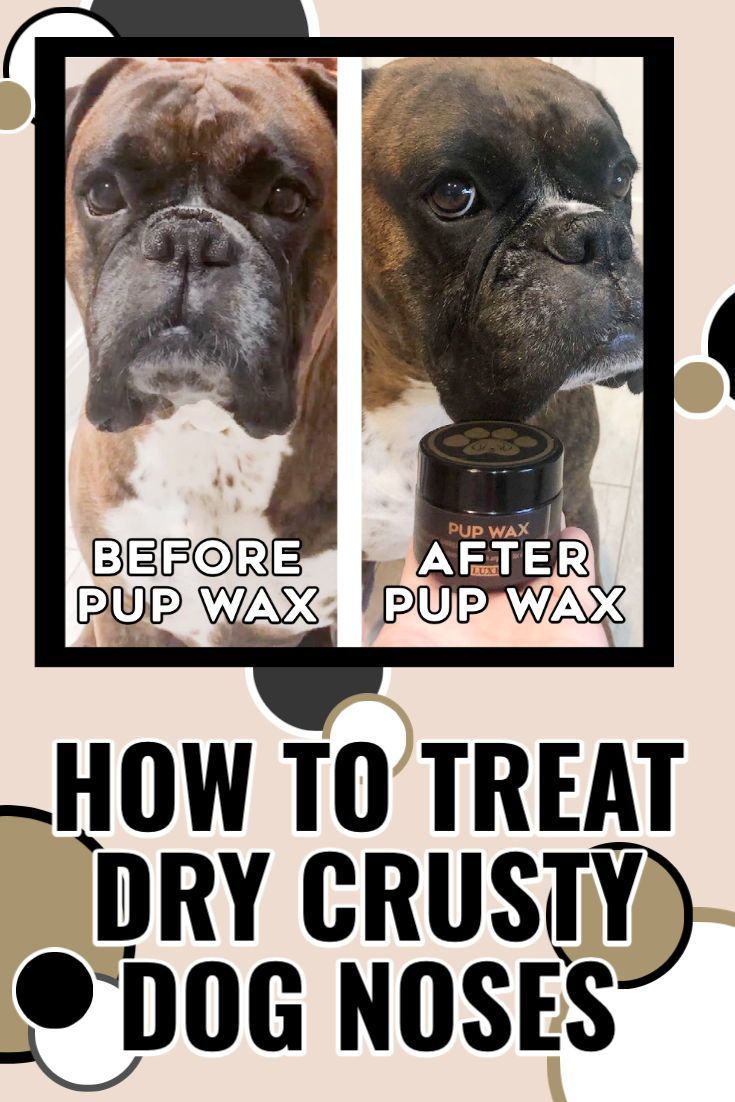
While the systemic medication works internally, topical care can help manage the crusty symptoms on the nose itself. Owners should gently clean the area with a veterinarian-approved chlorhexidine wipe or a mild saline solution to remove loose crusts. **Never** attempt to pick or peel the crusts, as this can cause bleeding and secondary bacterial infections. A veterinarian may also prescribe a topical antifungal ointment to apply directly to the nasal planum to combat surface colonization.


Home Care and Environmental Management
Recovery extends beyond the veterinary clinic; the home environment plays a crucial role in preventing recurrence. Since spores thrive in moist, dark environments, it is vital to keep the dog’s bedding clean and dry. Wash fabric beds regularly in hot water and ensure the dog has access to well-ventilated areas. If your dog loves to dig or sniff in dense grass or leaf litter, be aware that this is a primary source of fungal spores. Limiting exposure to these high-risk zones, or washing the dog thoroughly with an antifungal shampoo after outings, can reduce the load of spores on their coat and nose.
Prognosis and Prevention
The outlook for dogs with nasal fungal infections is generally positive with early intervention and consistent treatment. However, the severity of the infection dictates the recovery timeline; localized infections often resolve completely, while systemic infections may require lifelong management in rare cases. Prevention focuses on minimizing exposure, particularly for dogs with known sensitivities. Maintaining a strong immune system through proper nutrition and regular exercise is the best defense. Regularly inspecting your dog’s nose for changes in texture or color allows for the earliest detection, ensuring that a crusty nose remains a minor nuisance rather than a major health crisis.


Related Articles

White Fungus on Pakm Trees: Causes, Treatment & Prevention
White fungus on pakm trees presents a fascinating intersection of natural biology and arboricultural concern. This particular type of growth, often observed on...

My Parrot Has a Bloody Nose: Causes, Treatment & Prevention
Finding a bloody nose on your parrot is an alarming experience that requires immediate attention. While epistaxis, or nosebleeds, are relatively rare in birds...

Boston Terrier Nose Drainage: Causes, Symptoms & Treatment Guide
Boston terrier nose drainage can be a source of concern for many owners, often signaling an underlying issue rather than being a standalone problem. While a...

White Spot on Cat Nose: Causes, Treatment & Prevention Tips
Finding a white spot on cat nose tissue can be a moment of concern for any owner. While a small, harmless mark is often nothing to worry about, this distinct...
Palm Tree White Fungus: Causes, Treatment & Prevention Tips
Palm tree white fungus is a common term used to describe a range of fungal growths that appear as white, fluffy, or powdery coatings on the fronds, trunk, or...

Dog Diarrhea and Runny Nose: Causes, Symptoms & Treatment Guide
Watching your dog suddenly develop diarrhea and a runny nose can be a stressful experience for any owner. These simultaneous symptoms often signal that your...