Electrolysis Rust Removal: Correct Voltage & Amps Guide
Removing rust from metal surfaces without harsh chemicals or aggressive grinding is possible through electrolysis, a process that uses electrical current to reduce iron oxide back to iron. Achieving safe and efficient results hinges on selecting the correct voltage and amperage, which dictates the speed of the reaction and the stability of the process. Operating with too high a current can generate excessive heat, damage intricate parts, or even ignite flammable hydrogen gas, while too low a voltage will simply stall the reaction.
Understanding the Electrolysis Equation
The core principle relies on applying enough electrical potential to overcome the natural stability of rust (iron oxide). You are not "melting" the rust away; instead, you are using the current to transfer oxygen from the rust to the sacrificial anode, leaving behind pure metal. To initiate this reduction reaction, the power supply must surpass the standard water-splitting threshold of 1.23 volts, but real-world applications require a slight excess to ensure consistent current flow through the electrolyte solution.
Recommended Voltage and Amperage Guidelines
For most household and workshop applications, a stable output of 6 to 12 volts is considered the optimal range. This window provides enough driving force to break the bonds of the rust without introducing significant risks. The amperage, measured in amps, is not set by the voltage alone but is determined by the surface area of the metal and the resistance of the setup; a general starting point is roughly 1 amp per square foot of rusted surface to ensure effective processing without overwhelming the system.


Adjusting Based on Scale
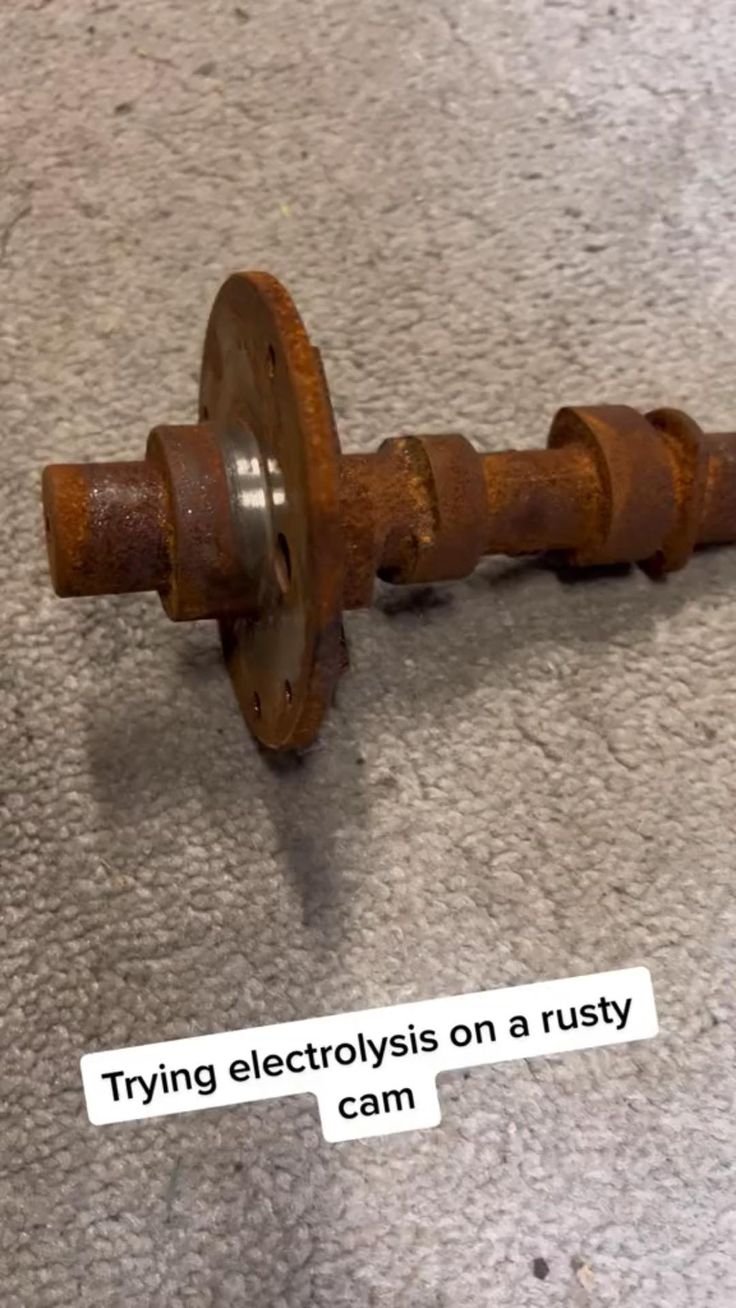
When dealing with small items such as blades or hand tools, a lower voltage setting of 6 to 9 volts often suffices, drawing minimal current. Conversely, large automotive parts or industrial machinery require a setup calibrated for higher amperage to ensure the reaction penetrates thick rust layers in a reasonable timeframe. Utilizing a power supply with adjustable current limits is ideal, as it allows the user to fine-tune the energy delivery to match the specific mass of the workpiece.
Safety and Byproduct Management
Safety is paramount when working with electrical currents and volatile chemical reactions. The hydrogen gas produced at the cathode is highly flammable, so the operation must be conducted in a well-ventilated area, away from open flames, sparks, or potential ignition sources. Additionally, the electrolyte solution, typically washing soda or caustic soda, is alkaline and can cause skin irritation, necessitating the use of gloves and eye protection during setup and maintenance.


| Application Scale | Recommended Voltage | Estimated Amperage | Best Use Case |
|---|---|---|---|
| Small Tools | 6-9V | 1-3A | Knives, hand tools, small parts |
| Medium Parts | 9-12V | 3-6A | Bicycle parts, small automotive components |
| Large Components | 12V | 6-10A+ | Automobile frames, industrial machinery |
The Role of the Anode
The sacrificial anode, usually a piece of steel or iron wire, plays a critical role in the electrical circuit and must be monitored throughout the process. As the current flows, the anode oxidizes and dissolves, releasing ions into the electrolyte to balance the reaction. If the anode becomes completely coated with rust or insulating minerals, it effectively breaks the circuit, causing the rust removal process to halt. Regularly cleaning or replacing the anode ensures consistent conductivity and prevents the buildup of "rust snow" in the solution.
Troubleshooting Common Issues
If the setup fails to generate bubbles, the likely culprit is insufficient voltage or a broken electrical connection. Conversely, if the solution heats up rapidly and produces a strong odor, the amperage is too high, and the voltage should be dialed back immediately. Observing the bubbles—ideal activity produces a steady, rapid fizzing around the cathode—provides a visual confirmation that the reduction reaction is proceeding correctly, allowing you to adjust the power supply for optimal efficiency.


Related Articles
Reverse Electrolysis Rust Removal with 40 Amp: The Ultimate Guide
Reverse electrolysis rust removal with a 40 amp power supply is a highly effective, non-invasive method for restoring metal surfaces without the need for...

Electrolysis Rust Removal Reaction: The Ultimate Guide to Restoring Metal Sparkle
Electrolysis rust removal reaction represents one of the most effective and environmentally conscious methods for salvaging corroded metal surfaces. This...
Electrolysis Gun Rust Removal: Part 1 Hack restore bling🔥
For the dedicated gun enthusiast or professional armorer, encountering rust on a cherished firearm is more than just an aesthetic issue; it is a direct threat...

Home Washer Machine Power Requirements: Voltage, Amps & Circuit Guide
Understanding the washer machine power requirements of a home is essential before plugging in a new appliance. While your washing machine might seem like a...

Rust Electrolysis with Power Brick: Ultimate DIY Guide
Rust electrolysis with a power brick is a highly effective method for removing rust from metal surfaces without the need for harsh chemical strippers or...

PSU Electrolysis 5V 12V: Safe Removal Guide for Motherboard Capacitors
When searching for a compact and reliable power source for small electronics, laboratory experiments, or DIY projects, the phrase psu electrolysis 5v 12v...