"Revitalize Your Bathroom: Epoxy Paint for Wall Tiles - Durable & Stylish"
Epoxy paint for bathroom wall tiles is a highly sought-after solution for homeowners looking to revamp their bathroom's aesthetic and extend its lifespan. In this article, we'll delve into the world of epoxy paint and explore its benefits, types, and application tips. You'll learn how to choose the right epoxy paint for your bathroom wall tiles, making your renovation process smoother and more successful.
Benefits of Using Epoxy Paint for Bathroom Wall Tiles
Epoxy paint offers numerous advantages over traditional paint. For one, it's incredibly durable and resistant to scratches, cracks, and moisture. This makes it perfect for bathroom applications where water splashes and humidity are common. Epoxy paint is also highly elastic, allowing it to expand and contract with the tile as the temperature changes. This property significantly reduces the risk of cracking and peeling. Furthermore, epoxy paint provides an exceptionally glossy finish, making it ideal for decorative purposes. It's also available in a wide range of colors, ensuring you can match your bathroom's style with ease. Some homeowners even use epoxy paint to create unique, high-gloss accents to add a touch of sophistication.- Remove any existing paint, old caulk, or wax from the tiles using a strong adhesive remover.
- Scrub the surface with a gentle abrasive to remove dirt and grime.
- Clean the tiles thoroughly and let them dry completely.
- Apply a primer or a bonding agent to create a strong bond between the epoxy paint and the tile.
Types of Epoxy Paint for Bathroom Wall Tiles
With so many types of epoxy paint available, choosing the right one for your bathroom wall tiles can be overwhelming. Here are a few popular options:- Water-based epoxy paint: Suitable for bathrooms with low traffic, water-based epoxy paint is easy to clean up and dries quickly.
- Solvent-based epoxy paint: Offers improved durability and adhesion, making it ideal for high-traffic bathrooms.
- Acrylic epoxy paint: A blend of water and solvent-based epoxy, providing a balance between durability and ease of use.
Steps for Applying Epoxy Paint to Bathroom Wall Tiles
Applying epoxy paint to your bathroom wall tiles requires patience and attention to detail. Follow these steps to achieve a flawless finish:- Apply the primer or bonding agent according to the manufacturer's instructions.
- Mix the epoxy paint according to the instructions and apply it in thin, even coats.
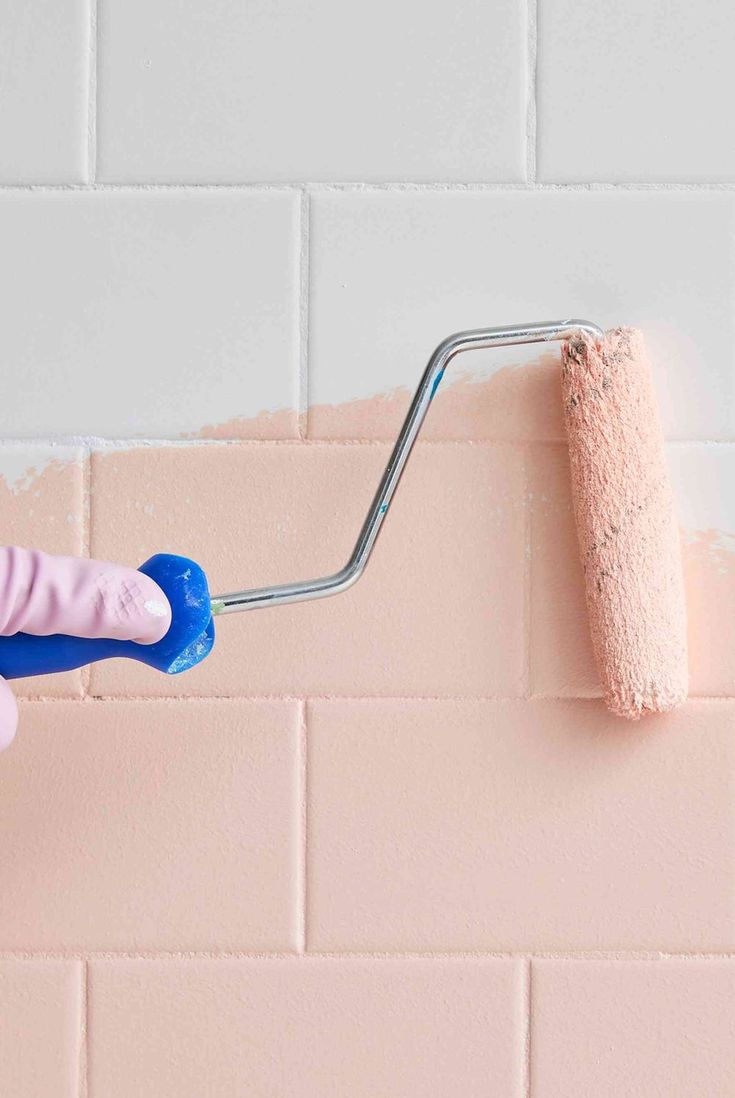
- Use a high-quality roller or a brush to apply the paint, working in small sections to cover the entire surface.
- Allow the first coat to dry completely before applying additional coats.
Comparison Table: Epoxy Paint Brands and Their Characteristics
| Brand | Durability | Colors Available | Price Range |
|---|---|---|---|
| Polyurethane Epoxy | High (5+ years) | 100+ colors | $50-$200 per gallon |
| Hydrophobic Epoxy | High (5+ years) | 50+ colors | $30-$150 per gallon |
| Solvent-Based Epoxy | Medium (2-3 years) | 20+ colors | $20-$100 per gallon |
Common Mistakes to Avoid When Using Epoxy Paint for Bathroom Wall Tiles
When using epoxy paint for your bathroom wall tiles, avoid making the following mistakes:- Not preparing the surface properly, leading to poor adhesion and paint failure.
- Applying too thick a coat, resulting in uneven drying and potential peeling.
- Not allowing the first coat to dry before applying additional coats, leading to an uneven finish.


Related Articles
"Top Epoxy Paint for Bathroom Tiles in the Philippines: Durable & Stylish"
best epoxy paint for bathroom tiles philippines is a highly sought-after product in the construction and home renovation industry, particularly in the...

"Transform Your Bathroom: Epoxy Flooring Tiles for Durable, Stylish Results"
epoxy flooring tiles for bathroom is not just a home improvement trend, but a practical solution for bathroom durability and maintenance. As a homeowner, you...

"Transform Your Bathroom: Best Ceramic Tiles for Stylish & Durable Spaces"
Ceramic Tile for Bathrooms: Durable, Stylish, and Easy to Maintain When it comes to bathroom flooring and wall coverings, ceramic tile is a top choice for...

"Transform Your Bathroom: Epoxy-Coated Bathroom Wall Tiles"
bathroom wall tiles with epoxy is the Future of Bathroom Design When it comes to transforming the look and feel of your bathroom, choosing the right materials...

"Revitalize Your Bath: Shower Tile Epoxy - Durable & Stylish"
Shower tile epoxy is a type of flooring material that has gained popularity in recent years due to its durability, versatility, and ease of maintenance. It's a...

"Transform Your Bathroom: Epoxy Flooring Ideas for Durable & Stylish Results"
bathroom flooring epoxy is a modern and durable material used in bathroom renovations to create a stunning and long-lasting surface. It's a three-part system...