"Transform Your Space: Era Cabinets - Quality & Style"
Era Cabinets: Timeless Style Meets Functionality
Era cabinets, a term often associated with mid-century modern design, have made a significant comeback in recent years. These cabinets, characterized by their clean lines, simple forms, and minimal ornamentation, are not just a nod to the past but a testament to the enduring appeal of timeless design. Let's delve into the world of era cabinets, exploring their history, unique features, and why they continue to captivate homeowners and designers alike.
Understanding Era Cabinets: A Brief History
Era cabinets trace their roots back to the mid-20th century, a period marked by significant social, cultural, and technological changes. The post-World War II era saw a boom in suburban housing, and with it, a demand for affordable, functional furniture. Designers like Charles and Ray Eames, Arne Jacobsen, and Hans Wegner responded to this need with innovative, streamlined pieces that emphasized form over ornamentation. Era cabinets, with their simple, geometric shapes and minimalist aesthetic, were born out of this design movement.
Key Features of Era Cabinets
Era cabinets are distinguished by several key features that set them apart from other styles of cabinetry.


- Clean Lines and Simple Forms: Era cabinets are characterized by their clean, straight lines and simple, geometric shapes. This minimalist aesthetic allows the cabinets to blend seamlessly into various design styles.
- Natural Finishes: Era cabinets often feature natural wood finishes that showcase the beauty of the grain. This emphasis on natural materials is a hallmark of mid-century modern design.
- Functional Design: Era cabinets are designed with functionality in mind. They often feature adjustable shelves, hidden hinges, and other innovative design elements that maximize storage space and efficiency.
- Modularity: Many era cabinets are modular, allowing homeowners to configure them to suit their specific needs. This flexibility makes era cabinets a popular choice for small spaces and open-concept layouts.
Materials Used in Era Cabinets
The materials used in era cabinets are as integral to their design as their form. Natural woods like teak, walnut, and maple are commonly used, often with a clear or natural finish that allows the grain to shine through. Plywood, a material pioneered by mid-century designers like Charles Eames, is also frequently used in era cabinets due to its strength, durability, and affordability.
Incorporating Era Cabinets into Modern Spaces
Era cabinets' clean, timeless design makes them an excellent fit for modern spaces. Their simplicity allows them to blend seamlessly with a wide range of design styles, from minimalist to bohemian. Here are a few ways to incorporate era cabinets into your home:


- Living Room Storage: Era cabinets can provide much-needed storage in living rooms, helping to keep clutter at bay while adding a touch of mid-century style.
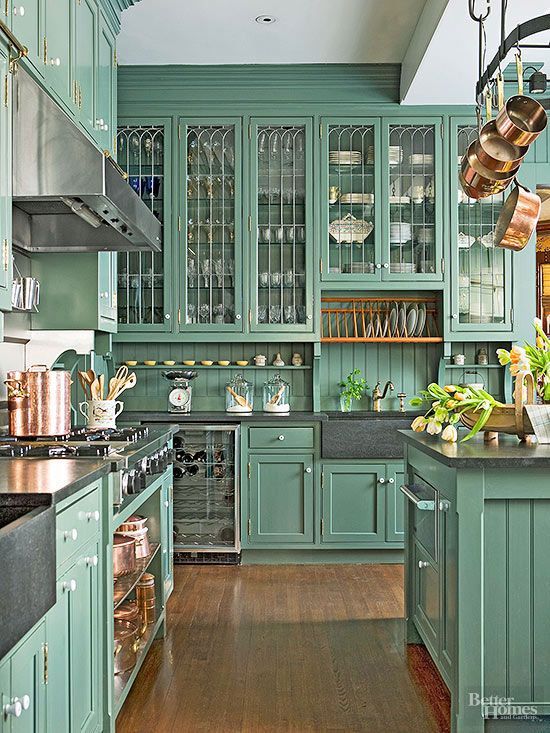
- Kitchen Cabinets: Era cabinets' functional design and modularity make them an excellent choice for modern kitchens. They can be configured to maximize storage space and fit seamlessly with other kitchen elements.
- Home Office Solutions: With more people working from home, era cabinets are a stylish and functional solution for home office storage.
Caring for Era Cabinets
With proper care, era cabinets can last for generations. Here are some tips for keeping your era cabinets looking their best:
- Dust Regularly: Regular dusting with a soft, dry cloth can help keep your cabinets looking shiny and new.
- Avoid Direct Sunlight: Prolonged exposure to direct sunlight can cause wood to fade or warp. Keep your cabinets out of direct sunlight to preserve their finish.
- Use Coasters: To prevent water rings and other damage, always use coasters on your cabinets.
Where to Find Era Cabinets
Era cabinets are widely available, from vintage stores and online marketplaces to new furniture retailers. If you're looking for a specific style or material, it may be worth seeking out a furniture maker who specializes in mid-century modern design. Here are a few places to start your search:
- Vintage Stores: Vintage stores and online marketplaces like eBay and Etsy are great places to find original era cabinets at a range of prices.
- Furniture Retailers: Many furniture retailers offer era-style cabinets, often at a range of price points.
- Custom Furniture Makers: If you're looking for a specific style or material, consider working with a custom furniture maker who specializes in mid-century modern design.
In conclusion, era cabinets are more than just a trend; they're a testament to the enduring appeal of timeless design. With their clean lines, functional design, and natural materials, era cabinets continue to captivate homeowners and designers alike. Whether you're looking to add a touch of mid-century style to your home or simply need some functional storage solutions, era cabinets are a versatile and stylish choice.



Related Articles

"Redline Cabinets: Transform Your Space with Style & Quality"
Discover the perfect blend of form and function with Redline Cabinets, your trusted partner in transforming spaces into stylish, efficient, and durable havens...

"Danmar Cabinets: Top Quality & Style for Your Space"
Discover the art of craftsmanship and innovation with Danmar Cabinets, a leading name in the world of custom cabinetry. With a strong commitment to quality...

"Transform Your Space: Mouse Mat Rugs for Ultimate Comfort & Style"
In the realm of computer accessories, one often overlooked yet essential piece of equipment is the humble mouse mat, or as some prefer to call it, a mouse mat...

"Transform Your Space: Discover Mauk Cabinets' Stunning Collection"
Discovering the Elegance of Mauk Cabinets In the realm of cabinetry, few names have left as indelible a mark as Mauk Cabinets. With a legacy spanning over four...

"Transform Your Space: Discover CRS Cabinets"
In the realm of modern kitchen design, one name stands out for its commitment to quality, innovation, and style: CR&S Cabinets. This Italian brand has been...

"Transform Your Space: Discover Stunning GG Cabinets Today!"
GG Cabinets, a term often used interchangeably with "gaming glass cabinets," has gained significant traction in the gaming community and beyond. These cabinets...