Glass Doors UK: Modern Designs & Best Prices
When searching for premium glazing solutions in the UK, the term glass doors uk consistently ranks high in commercial and residential queries. The demand for stylish, durable, and energy-efficient glass doors has surged as homeowners and businesses seek to maximise natural light while maintaining sophisticated design. This overview explores the key considerations, material options, and regulatory landscape surrounding glass doors across the United Kingdom.
Popular Applications in UK Properties
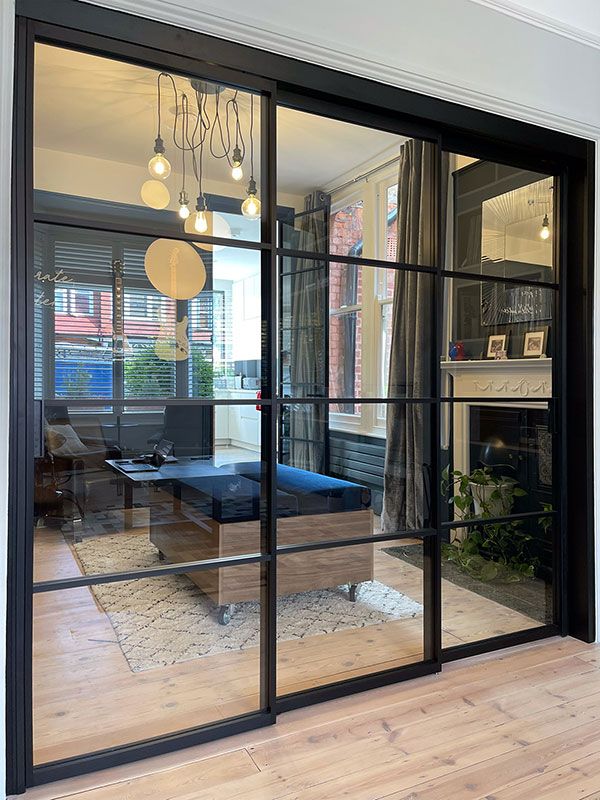
From sleek office entrances to contemporary patio systems, glass doors uk installations serve diverse functional and aesthetic purposes. Commercial venues often favour frameless designs to create an open, welcoming atmosphere, while residential builds increasingly incorporate sliding glass doors to blur the boundary between indoor and outdoor living spaces. Conservatories and garden rooms also rely heavily on high-performance glass units to ensure year-round usability.
Material Choices and Performance Factors
Selecting the right materials is critical for longevity and efficiency. Most UK installations feature toughened safety glass or laminated glass, which comply with British Standards for impact resistance and security. Frames are commonly constructed from uPVC, aluminium, or timber, each offering distinct benefits in terms of insulation, maintenance, and visual appeal.


Thermal and Acoustic Performance
Energy efficiency ratings and sound reduction capabilities are central to the decision-making process for glass doors uk projects. Double or triple glazing with low-emissivity coatings can significantly reduce heat loss, while strategic sealing and frame materials help minimise noise pollution from busy streets or urban environments.
- Low-E glass for improved insulation
- Argon or krypton gas fills between panes
- Warm edge spacer bars to reduce condensation
- BS EN 1279 compliance for thermal performance
Regulatory Compliance and Safety Standards
Installations must adhere to UK building regulations, particularly Part K for safety glazing in hazardous locations. Glass doors positioned near floor levels or in areas of high traffic often require laminated or tempered glass to minimise injury risk. Accredited installers ensure that all work meets current legislation and insurance requirements.


Design Trends and Customisation Options
Contemporary aesthetics lean towards minimal frames, slim sightlines, and seamless transitions between interior and exterior spaces. Custom finishes, such as anodised aluminium or stained timber, allow property owners to align glass doors uk systems with existing architectural styles. Advanced hardware, including concealed hinges and smart access controls, further enhances both security and convenience.
Maintenance and Long-Term Value
Proper upkeep maximises the lifespan and appearance of glass entrances. Routine cleaning with non-abrasive agents, checking seals for draughts, and lubricating moving parts help maintain optimal function. Investing in quality glazing and professional installation often translates into higher property values and reduced long-term repair costs.
Choosing the Right Supplier and Installer
Selecting a reputable supplier involves verifying certifications, reviewing portfolio case studies, and assessing after-sales service. Look for companies with FENSA or Certass accreditation, transparent pricing structures, and clear warranties. Obtaining multiple quotes while prioritising expertise over the lowest price typically yields the best results for glass doors uk projects.



Related Articles

"Elegant White Bathroom Cabinet with Glass Doors: Modern Storage Solution"
Elevate Your Bathroom Aesthetic: The Allure of White Bathroom Cabinets with Glass Doors In the realm of bathroom design, one element stands out for its ability...

"Top Contemporary Toilets: Best Designs for Modern Bathrooms"
Revolutionizing Hygiene: The Best Contemporary Toilets In the realm of home improvement, one often overlooked aspect is the toilet. However, with contemporary...

"Upgrade Your Doors: Stylish Glass Knobs for a Modern Touch"
Elevate Your Door Design: The Charm of Glass Knobs In the world of interior design, details matter. One often overlooked yet impactful detail is the humble...

"Maximize Your Bathroom Space: Discover the Best Tall Glass Shower Doors"
Elevate your bathroom's aesthetics and functionality with tall glass shower doors. These sleek and modern fixtures are not only visually appealing but also...

"Chrome Glass Bathroom Shelf: Modern & Stylish Storage Solution"
Elevate Your Bathroom Aesthetic: The Allure of Glass Bathroom Shelves with Chrome Finish In the realm of bathroom design, storage solutions often take a...

"Modern Open Living Room Ideas: Inspiring Designs for 2023"
Embracing Modernity: Open Living Room Ideas for the 21st Century The heart of the home, the living room, has evolved significantly in recent years, with...