Going Out of Business Sale Advertising: Maximize Your Reach & Boost Sales
For a retailer or business owner, the phrase "going out of business sale" often conjures images of frantic crowds and frantic discounting. In reality, a structured and strategic advertising campaign is the difference between recouping maximum capital and simply giving away inventory. Effective promotion transforms a final clearance into a calculated event that drives foot traffic, settles outstanding debts, and leaves the door open for future endeavors.
Strategic Foundations of Liquidation Marketing
Before a single flyer is distributed, the foundation of success lies in defining the objective. Are you looking to sell obsolete equipment, move seasonal stock, or close the entire operation? This clarity dictates the tone and reach of your advertising. Unlike a seasonal promotion, a going out of business sale demands urgency; your messaging must communicate a finite window of opportunity. Highlighting the "final days" aspect appeals to the consumer’s fear of missing out, turning browsers into buyers who feel the purchase is time-sensitive rather than casual.
Channel Selection and Execution
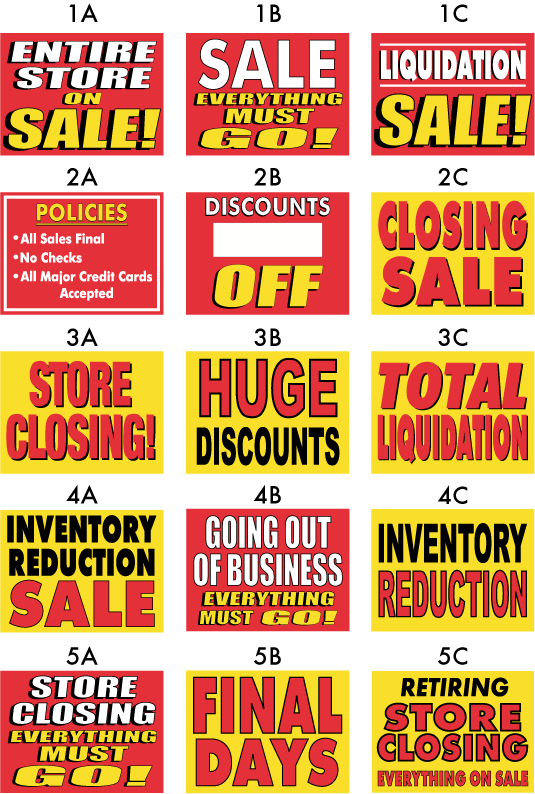
Gone are the days of relying solely on a newspaper classified ad. Modern liquidation marketing utilizes a multi-channel approach to ensure maximum visibility. Digital platforms offer targeted reach, allowing you to geo-fence the area and deliver ads directly to local demographics. Social media channels act as a cost-effective megaphone, enabling you to share high-impact visuals of your best-selling items. For physical locations, traditional signage remains vital; a bold, well-placed A-frame sign with clear pricing information is often the first tool in attracting drive-by traffic.


Compliance and Legal Considerations
Navigating the legal landscape is a critical, yet often overlooked, component of the advertising process. Many jurisdictions have specific regulations governing going out of business sales, particularly concerning refunds and advertised prices. Misrepresenting the nature of the sale as a "going out of business" event when it is actually a temporary promotion can lead to legal repercussions and damage to your professional reputation. Ensure your advertisements are transparent regarding return policies and whether merchandise is sold "as is" to protect both your business and the consumer.
| Advertising Channel | Best For | Key Consideration |
|---|---|---|
Creative Messaging and Consumer Psychology
The language used in your advertising should align with the reality of the event. Phrases like " Blowout Sale" or "Everything Must Go" set the right expectations. However, maintaining a professional demeanor is essential. Avoid desperation in your tone; instead, frame the event as an opportunity for the consumer to secure exceptional value. High-quality photography of key items can significantly boost interest, whether the ad is digital or print. Clear, large-font pricing that emphasizes the savings is the primary driver of conversion.


Driving Foot Traffic and Managing the Event
Advertising doesn’t stop at attracting customers; it involves managing the flow of them. If your sale will cause significant congestion, your ads should warn of potential delays or specify entry times for certain groups. This proactive communication reduces frustration and enhances the customer experience. Utilizing a digital queue management system or issuing tickets can streamline the process. Furthermore, integrating a live social media feed during the event showcases the bustling activity, creating a powerful social proof that encourages neighbors who hesitated to visit on day one to come the next.
Ultimately, a successful going out of business sale is a blend of operational efficiency and persuasive communication. By treating the advertising campaign with the same rigor as a product launch, you protect your legacy, satisfy creditors, and ensure that the final chapter of your business closes on a financially sound note.


Related Articles

"Massive Clearance: Furniture Sale as Beloved Restaurant Closes"
If you're a restaurant owner facing the challenging decision to close your business, you're likely looking for ways to liquidate your assets and move on. One...

"Find Your Perfect Wicker Couch: Shop Top Sales Now!"
Discover Comfort and Style with a Wicker Couch for Sale In the market for a new sofa that combines elegance, durability, and comfort? Look no further than a...

"Last Chance! Massive Clearance: Furniture Store Going Out of Business Sale"
Uncovering Bargains: A Deep Dive into Furniture Going Out of Business Sales When a furniture store announces a going out of business sale, it's a beacon of...

"100+ Innovative Commercial Lighting Ideas to Boost Your Business"
Elevate Your Space: Innovative Commercial Lighting Ideas In the realm of commercial spaces, lighting is not merely a functional necessity but an opportunity to...

"Elevate Your Store: Best Glass Door Display Cases for Sales Boost"
Elevate Your Retail Space: The Versatile Glass Door Display Case In the dynamic world of retail, creating an engaging and inviting shopping environment is key...

"Top Marketing Agency for Remodeling Contractors: Boost Your Business Today!"
In the competitive world of home improvement, remodeling contractors often struggle to stand out and attract their ideal clients. This is where a marketing...