"Effortless Wall Hanging: How to Hang a Rug Like a Pro"
Elevate Your Space: A Comprehensive Guide to Hanging Rugs on Walls
In the world of interior design, rugs are no longer confined to the floor. Hanging rugs on walls has emerged as a creative and functional trend that adds a unique touch to any space. Whether you're aiming to create a bohemian vibe, add texture to a minimalist room, or simply make a bold statement, this guide will walk you through the process of hanging a rug on your wall like a pro.
Why Hang a Rug on the Wall?
Before we dive into the how-to, let's explore the benefits of this unconventional decorating technique. Hanging a rug on the wall can:
- Add warmth and texture to a room
- Create a focal point and enhance the room's aesthetic
- Save floor space in small apartments or homes
- Display vintage or heirloom rugs that are too valuable to walk on
Choosing the Right Rug for Wall Hanging
Not all rugs are created equal, and some are better suited for wall hanging than others. When selecting a rug for this purpose, consider the following:


Size and Scale
The rug should be large enough to make an impact but not so big that it overpowers the room. A good rule of thumb is to choose a rug that's about 2/3 the width of the wall it will hang on.
Weight and Material
Heavy rugs or those with thick piles can be more challenging to hang. Opt for lighter materials like cotton, wool, or silk, and avoid rugs with heavy fringes or tassels.


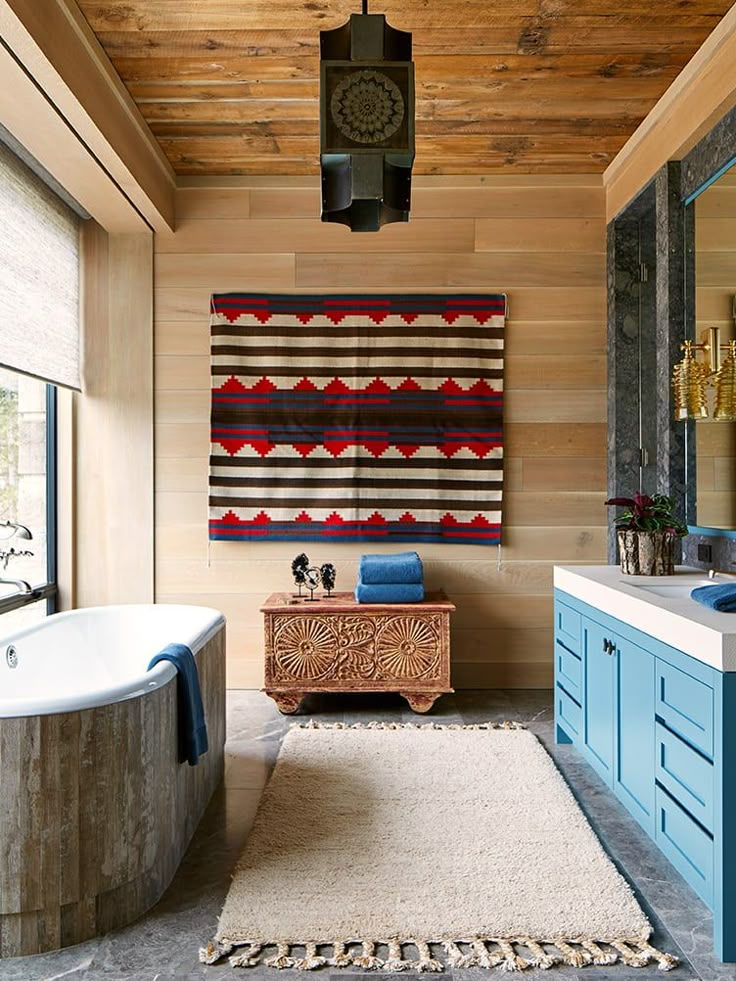
Design and Pattern
Bold patterns and vibrant colors can create a striking accent wall, while subtle textures and neutral hues can add a touch of elegance. Consider the room's existing color scheme and choose a rug that complements or contrasts with it.
Tools and Materials Needed
Before you start, gather the following tools and materials:
- Rug
- Rug hook or eyelet screws
- Drill
- Level
- Pencil
- Stud finder (optional)
Step-by-Step: How to Hang a Rug on the Wall
Now that you've chosen the perfect rug and gathered your tools, it's time to get started. Follow these steps to hang your rug like a pro:


Find the Studs
Using a stud finder, locate the studs in the wall where you want to hang the rug. Mark their locations with a pencil. Hanging the rug from studs ensures it will be securely attached to the wall.
Mark the Hanging Points
Determine where you want the top of the rug to hang. Mark this point on the wall with a pencil. Using a level, draw a horizontal line across the wall to ensure the rug will hang straight. Mark the points on this line that correspond to the studs you located earlier.
Drill Pilot Holes
Using a drill bit that's slightly smaller than the width of your rug hook or eyelet screw, drill pilot holes at the marks you made. This will make it easier to screw in the hooks or screws and prevent the wall from cracking.


Attach the Hooks or Screws
Screw the rug hooks or eyelet screws into the pilot holes, making sure they're secure and level. If you're using hooks, ensure they're facing the right direction to accommodate the rug's hanging loops.
Hang the Rug
Carefully lift the rug and align the loops or ties with the hooks or screws. Gently pull the rug up to the wall, ensuring it's hanging straight and centered. Step back and admire your handiwork!
Styling Tips for Hanging Rugs on Walls
Once your rug is hung, it's time to style the space around it. Here are some tips to help you create a cohesive look:
Balance the Space
Hanging a rug on one wall can create a visual imbalance. Counteract this by adding a large piece of art, a console table, or a floor-to-ceiling bookshelf on the opposite wall.
Create a Gallery Wall
Surround the hung rug with a collection of framed art, photographs, or mirrors to create a dynamic gallery wall. This will draw the eye up and create a focal point in the room.
Add Lighting
Highlight the hung rug with a picture light or a directional floor lamp. This will not only showcase the rug but also add warmth and ambiance to the room.
Conclusion
Hanging a rug on the wall is a creative and functional way to elevate your space. By following this comprehensive guide, you'll be well on your way to creating a unique and stylish accent wall that reflects your personal taste. So go ahead, get hanging, and let your walls tell a story!
Related Articles

"Effortless Wall Hanging: How to Hang Plants Like a Pro"
Elevate Your Space: The Art of Hanging Plants on Walls In the quest for greener, healthier, and more aesthetically pleasing living and working spaces, hanging...

"Effortless Wall Mounting: How to Hang a Cowhide Rug in Style"
Adding a cowhide rug to your wall can infuse your space with a rustic, natural charm that's both stylish and durable. Hanging a cowhide rug might seem...

"Mastering the Mount: Step-by-Step Guide to Hanging Your TV on the Wall"
How to Hang a TV on the Wall: A Comprehensive Guide Mounting your TV on the wall can save space, improve your viewing experience, and add a modern touch to...

"Mastering Wall Art: A Step-by-Step Guide to Hanging Perfectly"
Elevate Your Space: A Comprehensive Guide to Hanging Wall Art Transforming your living space into a reflection of your personal style is an exciting journey...

"Mastering Wall Art: How to Hang Pictures Perfectly Every Time"
Elevate Your Space: A Comprehensive Guide to Hanging Pictures on Walls Hanging pictures on walls is an art that transforms empty spaces into personalized...

"Effortless Wall Mount: Hang Headboard in Style"
Elevate Your Space: A Comprehensive Guide to Hanging a Headboard on the Wall Transforming your bedroom into a cozy, inviting sanctuary is easier than you...