"Elevate Your Space: How to Hang Rugs on Wall for Stylish & Safe Decor"
Elevate Your Space: The Art of Hanging Rugs on Walls
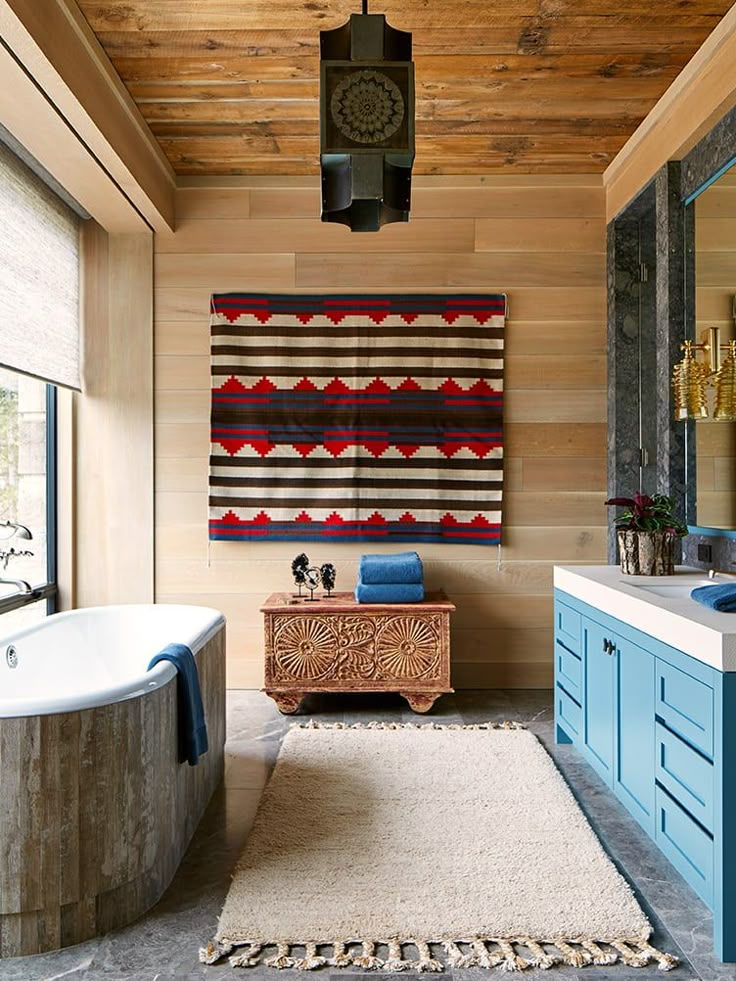
In the realm of interior design, rugs are often the unsung heroes, transforming spaces from ordinary to extraordinary. Traditionally, rugs have been used to anchor furniture and warm up floors. However, a growing trend is seeing rugs taking center stage, quite literally, by hanging them on walls. This unique approach not only adds a touch of drama but also optimizes space, especially in smaller homes. Let's delve into the art of hanging rugs on walls, exploring the why, how, and best practices.
Why Hang a Rug on the Wall?
Hanging a rug on the wall might seem counterintuitive, but it's a trend that's here to stay. Here are a few compelling reasons to consider this decorative technique:
- Space Optimization: In small apartments or homes with open floor plans, hanging a rug can free up valuable floor space while still defining areas.
- Artwork Alternative: A large, textured rug can serve as a striking piece of art, adding visual interest and warmth to bare walls.
- Style Statement: Hanging a rug is a bold design move that can instantly update a room and reflect your personal style.
Choosing the Right Rug for Wall Hanging
Not all rugs are created equal, and some are better suited for wall hanging than others. Here are some factors to consider when selecting a rug for this purpose:


- Size: Larger rugs make a bigger impact and can be more challenging to hang, while smaller rugs may get lost on the wall. Aim for a size that's proportional to your wall space and the room's scale.
- Texture and Pattern: Rugs with rich textures, bold patterns, or unique designs tend to make the most striking wall hangings.
- Weight: Heavier rugs can be more difficult to hang and may require additional support. Consider the weight of the rug when choosing a hanging method.
Hanging Methods: How to Hang a Rug on the Wall
There are several methods for hanging rugs on the wall. The best method depends on the rug's size, weight, and the wall's surface. Here are three common methods:
1. Using a Rug Hanging Kit
Rug hanging kits are specifically designed for this purpose and typically include all the necessary hardware. They are easy to install and can accommodate a range of rug sizes and weights. Most kits use a system of hooks, brackets, or a tension rod to secure the rug to the wall.


2. Hanging with Nails or Picture Hanging Wire
For lighter rugs, you can use nails or picture hanging wire to secure the rug to the wall. This method is best suited for rugs with loops or a backing that can be easily attached to the wall. Keep in mind that this method may require more frequent adjustments to maintain the rug's level position.
3. Using a Tension Rod
Tension rods can be a simple and effective way to hang a rug, especially in spaces where drilling holes in the wall is not an option. This method works best for rugs with a looped backing or those that can be easily folded over the rod. However, it may not be suitable for heavier rugs, as the rod could slip or bend under the weight.
Best Practices for Hanging Rugs on Walls
To ensure your wall-hung rug looks its best and remains secure, follow these best practices:


- Measure Twice, Hang Once: Carefully measure your rug and the wall space to ensure the rug is centered and properly positioned.
- Level the Rug: Use a level to ensure the rug is straight and evenly hung. This is especially important for rugs with intricate patterns or those hung in high-traffic areas.
- Secure the Rug: Regardless of the hanging method, ensure the rug is securely attached to the wall to prevent it from slipping or falling.
- Consider Traffic Flow: Position the rug so that it doesn't obstruct walkways or doorways. You should still be able to easily navigate the room with the rug on the wall.
Maintaining Wall-Hung Rugs
To keep your wall-hung rug looking its best, follow these maintenance tips:
- Dust Regularly: Use a soft-bristled brush or a vacuum with a soft attachment to gently remove dust from the rug's surface.
- Rotate Occasionally: To ensure even wear and fading, rotate the rug periodically, especially if it's exposed to direct sunlight.
- Clean Carefully: If your rug becomes dirty, spot clean it using a mild detergent and cool water. Always test cleaning solutions on a small, hidden area first to ensure they don't cause discoloration.
Hanging rugs on walls is a creative and functional way to add warmth, texture, and style to your space. By understanding the why, how, and best practices of this trend, you can transform your walls and elevate your interior design game. So go ahead, get creative, and let your walls tell a story.


Related Articles

"Elevate Your Space: How to Hang Oriental Rugs on the Wall"
Elevate Your Space: The Art of Hanging Oriental Rugs on the Wall In the realm of interior design, few decorative elements can transform a room as dramatically...
"Elevate Your Space: How to Hang Rugs on Walls for Stylish Storage"
Elevate Your Space: The Art of Hanging Rugs on Walls In the realm of interior design, trends come and go, but one that has stood the test of time is hanging...

"Elevate Your Ski Gear: Stylish Ways to Hang Skis on Wall for Decor"
Elevate Your Ski Gear: A Guide to Hanging Skis on Wall for Decoration Are you a skiing enthusiast looking to bring the thrill of the slopes into your home?...

"Elevate Your Space: Stunning Hanging Flower Wall Decor Ideas"
Elevate Your Space with Stunning Hanging Flower Wall Decor In the quest to transform our living spaces into personalized havens, wall decor has emerged as a...
"Elevate Your Space: How to Hang Rugs on the Wall for Instant Style"
Ever thought about transforming your bare walls into captivating, cozy spaces? Hanging rugs on walls is an innovative, budget-friendly, and increasingly...

"Elevate Your Space: Stunning Home Decor Wall Hangings"
In the realm of home decor, wall hangings have emerged as a powerful tool for transforming spaces, offering a blend of functionality, aesthetics, and personal...