How Thick is 26 Gauge Metal Roofing: Ultimate Guide
When evaluating metal roofing for your next construction or renovation project, understanding the physical specifications is paramount to ensuring durability and performance. The question of how thick is 26 gauge metal roofing is common among homeowners and contractors alike, as gauge directly correlates with the material's strength and longevity. While the number "26" might seem abstract, it represents a precise standard that dictates how the roof will handle stress, weather, and time.
Understanding Metal Roof Gauge
To answer the specific inquiry regarding 26 gauge metal roofing, one must first understand the American Society for Testing and Materials (ASTM) gauge system. This system measures the thickness of the steel sheet, where a lower gauge number indicates a thicker and heavier material. For context, 24 gauge is thicker than 26 gauge, and 22 gauge is significantly thicker still. The "weight" of the metal is determined by the base metal thickness and the type of coating applied on top.
The Specifics of 26 Gauge
So, how thick is 26 gauge metal roofing in practical terms? According to the ASTM standard gauge chart, 26 gauge steel measures approximately 0.018 inches in thickness. When converted to imperial measurements, this is roughly equivalent to 0.4572 millimeters. While this might sound incredibly thin—almost like a sturdy piece of household tin—modern manufacturing techniques ensure that this thinness does not compromise structural integrity, provided the roof design and installation are correct.


Performance and Durability
One of the primary concerns regarding 26 gauge metal roofing revolves around its ability to withstand harsh weather. While thicker gauges like 22 or 24 are often used in commercial settings or areas prone to extreme hail, 26 gauge is specifically engineered for residential applications. When installed with proper underlayment and supported by a solid roof deck, 26 gauge metal roofing offers excellent resistance to wind, rain, and snow. The material is designed to flex slightly without cracking, making it suitable for areas with moderate temperature fluctuations.
- Weight Efficiency: At 26 gauge, the roof remains lightweight, reducing the structural load on the building's framework.
- Cost Effectiveness: This gauge represents a balance between price and performance, offering a premium look at a more accessible cost than thicker alternatives.
- Corrosion Resistance: When paired with premium protective coatings like Galvalume or paint finishes, 26 gauge steel provides ample protection against rust and environmental degradation.
Comparing Gauge Options
To truly appreciate how 26 gauge performs, it helps to compare it to other common residential gauges. The standard for residential metal roofing typically falls between 22 and 29 gauge. Thicker gauges (22-24) offer a robust, dent-resistant surface ideal for high-impact environments but come at a higher material and installation cost. Conversely, thinner gauges (28-29) are cheaper but more susceptible to dents and require more frequent inspection. 26 gauge sits perfectly in the middle, providing a pragmatic solution for the average homeowner seeking durability without over-investing in unnecessary thickness.


Installation Considerations
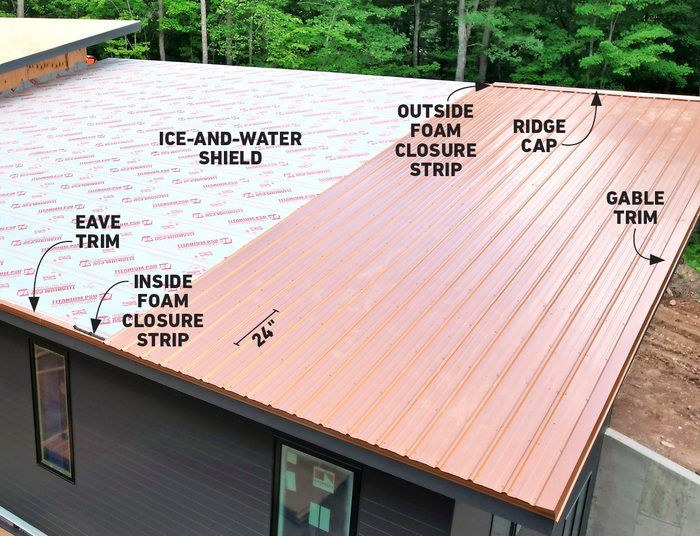
The success of a 26 gauge metal roofing system hinges entirely on the installation methodology. Because the metal is thinner, contractors must ensure that the roof deck is absolutely flat and structurally sound. Proper fastening techniques are crucial; using the correct type and length of screws with appropriate washers prevents the panels from loosening over time due to thermal expansion and contraction. Additionally, maintaining the correct overlap between panels is essential to prevent water intrusion, regardless of the gauge chosen.
Environmental and Longevity Factors
When asking how thick is 26 gauge metal roofing, it is also essential to consider its environmental impact and lifecycle. Metal roofing is one of the most sustainable building materials available, with 26 gauge often containing a significant percentage of recycled content. Furthermore, its longevity—typically ranging from 40 to 70 years—far exceeds that of traditional asphalt shingles. The thickness of the gauge contributes to this lifespan, as it resists cracking and brittleness caused by UV exposure, ensuring the roof remains a protective barrier for decades.


Related Articles

The Ultimate Guide to Metal Roofing Closure: Expert Tips & Installation
When planning a metal roof installation, the devil is often in the details, and one of the most critical details is the closure. A metal roofing closure system...

The Ultimate Guide to Gable Trim for Metal Roofing: Styles and Installation Tips
When you invest in a metal roof, you are choosing durability, energy efficiency, and long-term value. However, the integrity of that investment depends on the...

Ultimate Guide to Metal Roof Care & Maintenance: Extend Your Roof's Lifespan
Metal roofing has surged in popularity among homeowners and builders alike, praised for its longevity, energy efficiency, and modern aesthetic. However, to...

"Top Gauge Stainless Steel Sink: Your Ultimate Guide"
When it comes to choosing a stainless steel sink for your kitchen, one of the most important factors to consider is the gauge. The gauge of a sink refers to...

Discover the Best Roofing Shingle: Ultimate Durability & Style Guide
Choosing the best roofing shingle is rarely a matter of picking the most expensive option or the one with the flashiest appearance. It is a strategic decision...

Ultimate Guide to Roofing Systems: Types, Materials, and Costs
Choosing the right type of roofing system is one of the most critical decisions a homeowner or builder faces. The roof is the primary defense against the...