"Transform Your Space: Expert Tips on How to Decorate a New Home"
Transforming Your New Home: A Comprehensive Guide to Decorating
Congratulations on your new home! Now comes the exciting part: making it truly yours. Decorating a new home is a journey of self-discovery, creativity, and personal expression. Here's a comprehensive guide to help you navigate this process, from planning to the final touches.
Before You Start: Assess and Plan
Before you dive into paint swatches and fabric samples, take a step back to assess your new space. Understand the flow of the rooms, the amount of natural light, and the architectural features. This will help you make informed decisions about your decorating choices.
Next, create a decorating plan. Consider your lifestyle, your family's needs, and your personal aesthetic. Sketch out a rough layout of each room, including furniture placement. This will serve as a roadmap for your decorating journey.


Set a Budget and Prioritize
Decorating a home can quickly become an expensive endeavor. Set a realistic budget and prioritize your spending. Start with the rooms you use the most - the living room, kitchen, and bedrooms - and allocate funds accordingly.
Remember, decorating is an ongoing process. You don't have to do everything at once. Focus on creating a comfortable, functional space first, and then layer in decorative elements over time.

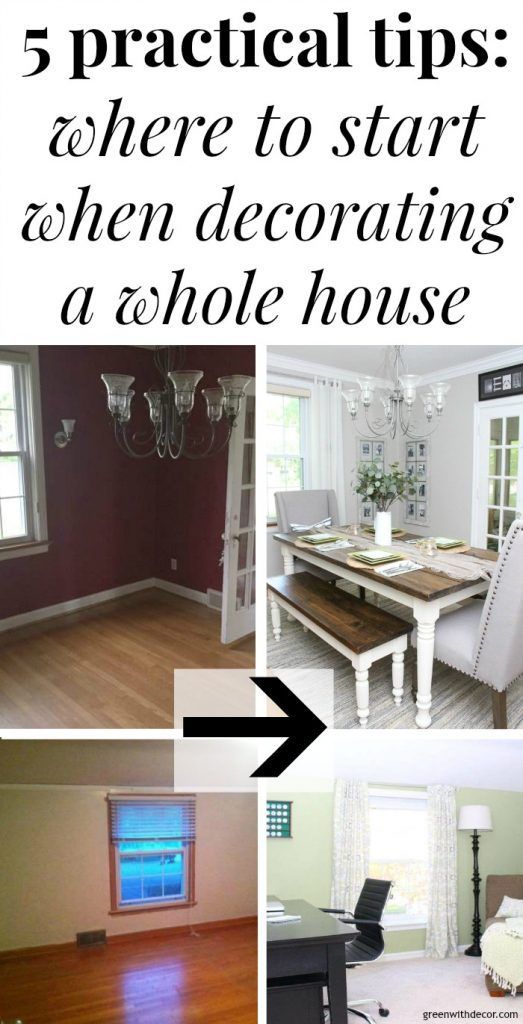

Create a Mood Board
A mood board is a visual representation of your decorating style. It helps you stay focused and makes it easier to communicate your vision to others. Collect images, fabric swatches, and paint samples that reflect your desired aesthetic.
Understanding Your Style
- Modern: Clean lines, neutral colors, and minimal ornamentation.
- Traditional: Classic, timeless pieces with rich, warm colors and plenty of pattern.
- Transitional: A blend of modern and traditional elements, creating a balanced, harmonious look.
- Bohemian: Eclectic, layered textures and patterns, with a focus on comfort and individuality.
Color: The Backbone of Your Decor
Color is a powerful tool that can influence mood, create illusions of space, and reflect your personality. Start with a neutral base - think whites, grays, and beiges - and then layer in color through accessories, textiles, and artwork.
When selecting colors, consider the size of the room and the amount of natural light. Lighter colors can make a small room feel larger, while darker colors can create a cozy, intimate atmosphere in a larger space.


Furniture: The Building Blocks of Your Space
Furniture is the foundation of your decor. It's essential to choose pieces that are functional, comfortable, and reflect your style. When selecting furniture, consider the scale of the room. Oversized furniture can overwhelm a small space, while tiny furniture can get lost in a large room.
Don't forget about the importance of balance and proportion. Aim for a mix of heights, shapes, and textures to create visual interest. And always prioritize comfort. After all, your home should be a place where you can relax and recharge.
Lighting: The Jewelry of Your Home
Lighting is often overlooked but plays a crucial role in setting the mood of your space. Layer your lighting with ambient (general), task (functional), and accent (decorative) fixtures. Don't forget about natural light. Maximize it by keeping windows unobstructed and using sheer curtains.


Finishing Touches: The Art of Layering
It's the little things that make a house feel like a home. Add personality with artwork, throw pillows, and area rugs. Create a cohesive look by repeating colors, textures, and patterns throughout your space.
Don't be afraid to mix high-end and low-end pieces, or to incorporate vintage or thrifted items. These additions can add character and depth to your decor. And remember, your home should be a reflection of you, so have fun with it!
| Tip | Action |
|---|---|
| Test paint colors before committing. | Paint samples on large sheets of paper or foam boards and move them around the room to see how the color looks in different light. |
| Create a focal point in each room. | This could be a fireplace, a piece of art, or a stunning view. Design the rest of the room around this point of interest. |
| Consider the 60-30-10 rule for color. | 60% of the room should be your dominant color, 30% should be a secondary color, and 10% should be accent colors. |
Decorating a new home is a journey, not a destination. It's okay if your space doesn't feel 'finished' right away. With time, patience, and a little creativity, you'll create a home that's uniquely yours.
Related Articles

"Transform Your Space: Expert Tips on Decorating Around Your TV in the Living Room"
Elevate Your Living Room: A Comprehensive Guide to Decorating Your TV Wall In the heart of your home, the living room often serves as the hub for relaxation...

"Transform Your Space: Expert Tips on Decorating Large Walls Behind Sofas"
Transforming Your Space: Decorating Large Walls Behind Sofas The wall behind your sofa is a prime real estate in your living room, often the first thing guests...

"Transform Your Space: Expert Tips to ImproveIT Home Remodeling"
Transforming your house into a dream home is an exciting journey, and Improveit Home Remodeling is here to make that process smooth and enjoyable. With a...

"Transform Your Space: Expert Tips on Decorating Around a Large Wall Clock"
Transforming Your Space: Decorating Around a Large Wall Clock In the realm of interior design, a large wall clock can serve as a stunning focal point, adding...

"Transform Your Space: Expert Tips on How to Decorate a Christmas Wall"
Transforming your wall into a festive masterpiece is an exciting task that can set the tone for your entire Christmas celebration. Here's a comprehensive guide...

"Transform Your Space: Expert Tips on Decorating a One-Bedroom Apartment"
Transforming Your Space: Decorating a One-Bedroom Apartment Decorating a one-bedroom apartment can be an exciting challenge, as it requires maximizing space...