Build a Virtual Nuclear Power Plant in Tinkercad: Step-by-Step Guide
While the ambition to design a nuclear power plant within Tinkercad is technically impossible due to the simulation platform's focus on basic electronics and 3D modeling, the educational pursuit of understanding such complex systems is highly valuable. This guide translates the conceptual framework of nuclear energy into tangible Tinkercad projects, allowing users to visualize the engineering principles and spatial relationships that define modern power generation. By approaching the subject through simulation and symbolic representation, learners can grasp the fundamental mechanics without the impracticalities of real-world construction.
Understanding the Conceptual Limitations
Tinkercad operates as a beginner-friendly CAD and circuit design tool, which means it lacks the physics engines required to simulate nuclear fission or thermal dynamics. Attempting to create a functional model is not feasible, but constructing a detailed architectural and mechanical representation is entirely possible. The goal shifts from simulating energy production to accurately modeling the containment structures, turbine assemblies, and support systems that characterize a power plant. This approach respects the platform's capabilities while delivering a meaningful engineering exercise.
Research and Planning Phase
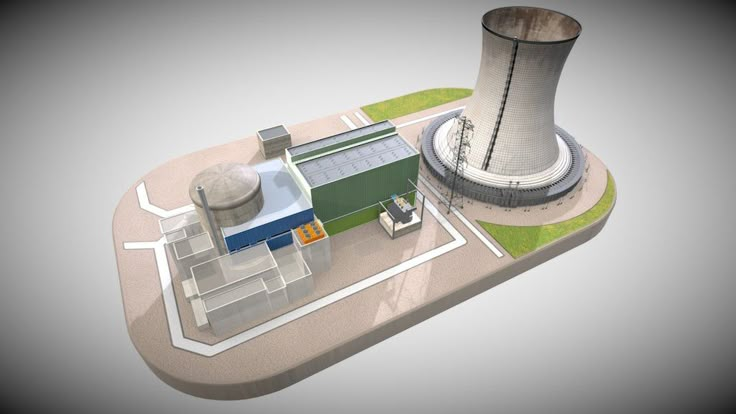
Before opening Tinkercad, thorough research is essential to ensure accuracy in the final model. Users should familiarize themselves with the standard components of a pressurized water reactor (PWR), which include the reactor pressure vessel, steam generators, turbine hall, and cooling towers. Gathering reference images and cross-sectional diagrams is crucial for translating complex industrial designs into the modular environment of Tinkercad. This phase establishes the blueprint for a coherent and informative 3D model.


Core Structural Components
The central element of the model is the reactor containment structure, which should be represented as a robust, sealed vessel. In Tinkercad, this is best achieved using a combination of solid boxes and hollowed-out shapes to create thick walls and safety layers. The turbine hall, usually a long industrial building, can be modeled using elongated structures to depict the housing for massive mechanical units. Precision in aligning these components ensures the model reflects the scale and layout of a real facility.
Mechanical and Supporting Systems
Beyond the primary structures, a comprehensive model incorporates cooling systems and auxiliary buildings. Cooling towers, recognizable by their distinctive hyperbolic shape, can be constructed using stacked, rotated ellipses to form the characteristic lattice. Piping systems, while abstracted, can be depicted using curved tubes and cylinders to show the flow of coolant and steam. These details transform a simple shell layout into a sophisticated representation of industrial engineering.


| Component | Tinkercad Representation | Purpose |
|---|---|---|
| Reactor Vessel | Th-walled cylinder | Contains nuclear fuel and coolant |
| Cooling Tower | Hyperbolic stacked ellipses | Thermal discharge to the atmosphere |
| Turbine Hall | Long rectangular prism | Houses electricity generation machinery |
Utilizing Circuits for Simulation
To add interactivity, Tinkercad's Circuit Editor can simulate control systems rather than power generation. Users can design a mock-up of the control room, incorporating LEDs to represent sensor status or switches that hypothetical safety protocols. Wiring these elements to a microcontroller block demonstrates the integration of automation and safety management, which is a critical aspect of modern nuclear operations. This interactive layer enhances the static model with dynamic functionality.
Educational Narrative and Documentation
The true value of the Tinkercad project lies in the accompanying documentation. By exporting clear images and generating descriptive text, users can explain the function of each part and the workflow of a nuclear facility. This turns the build into a presentation, effectively communicating complex energy concepts to an audience. The process bridges the gap between abstract theory and concrete visualization, making the invisible processes of nuclear energy accessible and understandable.


Related Articles

"Mastering DIY: Step-by-Step Guide to Build a Pull-Out Trash Can Cabinet"
Transform Your Kitchen: A Step-by-Step Guide to Building a Pull-Out Trash Can Cabinet Are you tired of unsightly trash cans cluttering your kitchen? It's time...

"Crafty Upcycling: Transform Carpet into a Stunning Rug – Step-by-Step Guide"
Transforming Carpet into a Stunning Rug: A Step-by-Step Guide Looking to upcycle an old carpet or create a custom rug for your space? Making a rug out of...

"Crafting Perfect Kitchen Cabinets: A Step-by-Step DIY Guide"
Crafting Your Dream Kitchen: A Comprehensive Guide to Making a Kitchen Cabinet Embarking on a DIY kitchen cabinet project can be an incredibly rewarding...

"Crafting a Safe & Stylish Wooden Garage Stair Rail: A Step-by-Step Guide"
Transform your garage stairs into a safe and stylish space with a custom wooden handrail. This comprehensive guide will walk you through the process of...

"Craft Your Own: A Step-by-Step Guide to Make Rugs at Home"
Crafting Your Own Home Decor: A Guide to Making Rugs at Home Transforming your living space into a cozy, personalized haven is an exciting task. One way to...

"Crafting Charm: A Step-by-Step Guide to Making a Dollhouse Rug"
Crafting Charm: A Step-by-Step Guide to Creating a Dollhouse Rug Adding a touch of warmth and coziness to your dollhouse can be as simple as creating a...