How to Soundproof NYC Windows: Ultimate Quiet Home Guide
Living in New York City means embracing a symphony of urban energy, but that constant buzz can quickly become overwhelming when it invades your sanctuary. If you are looking for how to soundproof NYC windows, you are likely dealing with the relentless noise of sirens, construction, and crowded sidewalks. The good news is that with the right strategies, you can significantly reduce this infiltration and create a quieter, more peaceful home.
Identifying the Weak Points
Before you start purchasing materials, it is essential to understand how sound travels into your space. Unlike walls, windows are often the primary culprit for noise transfer because glass is a solid, resonant surface that vibrates easily. The typical single-pane window or an old double-pane unit with a leaky seal offers minimal resistance. To effectively soundproof your NYC windows, you first need to identify where the specific gaps are, including the frame itself, the meeting rails where two sashes come together, and the gap between the window sash and the interior window frame.
Sealing Air Leaks
Weatherstripping and Draft Proofing
Sound follows air leaks, so if you can feel a draft, sound is getting in. A crucial first step in how to soundproof NYC windows is addressing these gaps with proper weatherstripping. Adhesive foam tape is a budget-friendly option that compresses when the window closes, filling small voids. For larger gaps, particularly on sliding sash windows, V-seal weatherstripping is highly effective; it presses against the glass to create a tight seal without obstructing the view or operation of the window. Caulking is another vital component, used to seal the perimeter where the window frame meets the wall, preventing sound from slipping through the cracks.


Window Film and Curtains
Adding Mass with Damping Solutions
Once the gaps are sealed, you need to address the glass itself. Standard glass does little to block sound frequencies, so you need to add mass and density. Acoustic window film is a popular choice that offers a balance between noise reduction and visibility. Applied directly to the glass, it helps to dampen vibrations, reducing the嗡嗡声 of traffic. While standard heavy curtains provide some benefit, they are often insufficient for the extreme noise levels of the city. For serious soundproofing, look specifically for mass loaded vinyl (MLV) curtains or heavy blackout curtains designed to block noise; these dense materials absorb sound energy rather than letting it pass through.
Advanced Replacement Options
Investing in New Window Units
If your windows are old, damaged, or single-pane, the best long-term solution to how to soundproof NYC windows might be a full replacement. New construction is a major investment, but it offers the most dramatic results. You should look for double-pane or, ideally, triple-pane windows filled with an inert gas like argon. The key is to ensure the glass is laminated; this means there is a layer of thin plastic (PVB) sandwiched between the panes. This interlayer is specifically designed to catch and dissipate sound waves, preventing them from entering your home. Furthermore, ensuring the new window frame is made from a dense material like fiberglass rather than a hollow vinyl profile will prevent the frame itself from vibrating.


Interior Strategies and Accessories
Temporary and Supplementary Solutions
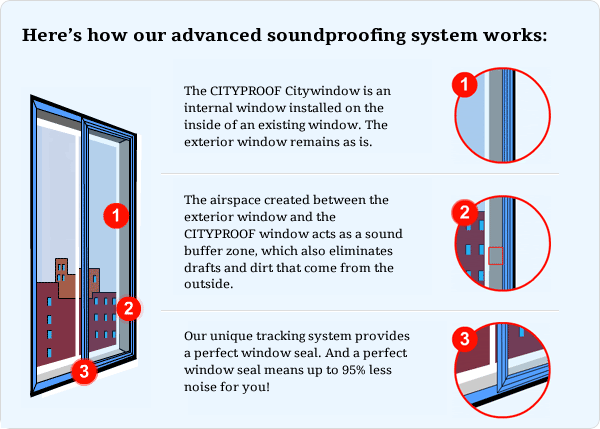
For renters or those looking for a temporary fix, interior solutions are ideal because they do not require permanent modification. One of the most effective methods is to build an acoustic window plug, which involves creating a heavy, airtight frame that sits over the existing window. These are often filled with insulation and covered with MLV, essentially creating a secondary window inside the existing one. Alternatively, a simple secondary window kit allows you to install a clear acrylic panel inside the frame. This air gap creates a buffer that significantly reduces the high-frequency noise that NYC is known for.
Combining Methods for Maximum Effect
Achieving a truly quiet environment rarely comes from a single fix; it is about layering different techniques. The most successful approach combines air sealing with mass-loaded materials and upgraded glazing. You might start by caulking and applying foam tape, then hang thick MLV curtains, and finally, apply acoustic film to the glass. This multi-pronged attack tackles the problem from every angle, reflecting sound away from the glass and absorbing energy within the room. By treating the window system as a whole rather than just the glass, you ensure that the noise is stopped before it has a chance to disrupt your peace.




Related Articles

Ultimate Soundproof Wall AC Guide: Quiet & Cool Solutions
Modern living and working environments demand a level of acoustic comfort that was once considered a luxury. Whether you are building a home studio, renovating...

Top-Rated Soundproof Windows for a Quiet Home
When outside noise infiltrates your sanctuary, whether it is the constant hum of traffic, the chatter of neighbors, or the early morning clamor of garbage...
Soundproof City Windows: Ultimate Quiet & Calm
City living offers an undeniable energy, but it comes with a constant soundtrack. The hum of traffic, the chatter of neighbors, and the late-night sirens can...

"Transforming Spaces: Your Ultimate Guide to Home Remodeling Questions"
Navigating Home Remodeling: Essential Questions to Ask Embarking on a home remodeling project can be an exciting journey, transforming your living space into a...

"Unveiling the Best Garden Windows: Your Ultimate Guide"
Embracing the outdoors while enjoying the comforts of your home is a delightful experience that garden windows offer. These unique windows extend outward from...

"Top-Rated Impact Resistant Windows: Your Ultimate Guide"
Upgrade Your Home's Protection: Best Rated Impact Resistant Windows In the market for new windows? Consider investing in impact resistant windows, known for...