"Spark Your Creativity: Artistic Idea Light Bulb Moments"
Ever found yourself in the midst of a creative drought, yearning for that elusive spark of inspiration? The idea light bulb, an artistic symbol par excellence, has been illuminating the path to innovation for centuries. But what lies behind this iconic image, and how has it evolved in the realm of art and design?
Unveiling the Idea Light Bulb: A Brief History
The idea light bulb, as we know it today, is a visual metaphor for a sudden insight or flash of genius. Its origins can be traced back to the late 19th century, coinciding with the invention of the electric light bulb by Thomas Edison. However, it wasn't until the early 20th century that the idea light bulb began to appear in popular culture, often used in cartoons and comic strips to depict a character's moment of enlightenment.
Over time, the idea light bulb has transcended its original context, becoming a universally recognized symbol of creativity and innovation. It has been embraced by artists, designers, and thinkers across various disciplines, from advertising to fine art, as a powerful visual shorthand for the creative process.


The Art of the Idea Light Bulb: Interpretations and Variations
Pop Art and the Neon Revolution
In the mid-20th century, pop artists like Roy Lichtenstein and Andy Warhol incorporated the idea light bulb into their work, often using bold, neon colors to create a sense of energy and excitement. These artists saw the light bulb as a symbol of the modern age, reflecting the rapid technological advancements of the time.
Warhol's "Light Bulb" series, created in the 1970s, is a prime example of this. The series features a simple, stylized light bulb rendered in vibrant, electric hues, evoking a sense of both wonder and consumer culture.


Minimalism and the Light Bulb Moment
At the other end of the spectrum, minimalist artists have used the idea light bulb as a symbol of simplicity and clarity. Donald Judd's "Untitled (Light Bulb)" (1964) is a case in point. The sculpture, a single, unadorned light bulb mounted on a pedestal, invites viewers to contemplate the essence of the object and its meaning.
Similarly, Dan Flavin's "Monument for V. Tatlin" (1964) uses a row of fluorescent light bulbs to explore the relationship between art, light, and space. While not a traditional idea light bulb, the work shares the same fascination with the transformative power of illumination.
The Idea Light Bulb in Contemporary Art and Design
Today, the idea light bulb continues to inspire artists and designers, appearing in everything from street art to graphic design. Some contemporary artists, like Banksy and Shepard Fairey, use the light bulb as a visual shorthand for their own brand of subversive, politically charged art.


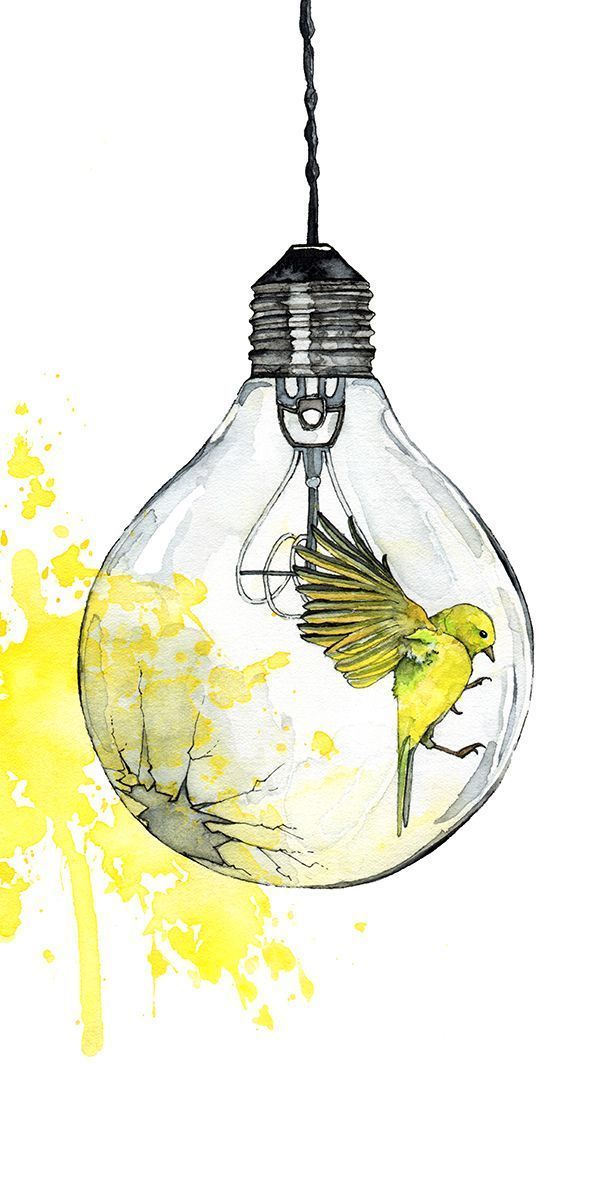


Meanwhile, in the world of design, the idea light bulb is a staple of infographics and data visualizations, used to illustrate everything from business ideas to scientific breakthroughs. Its enduring appeal lies in its ability to convey complex concepts in a simple, universally understood image.
From Symbol to Medium: The Light Bulb as Art
In a fascinating twist, some artists have begun to use the light bulb itself as a medium for their work. Light artist Leo Villareal, for instance, creates intricate, mesmerizing installations using strings of LED lights. His work explores the intersection of art, science, and technology, inviting viewers to contemplate the nature of light and perception.
Similarly, the late Bruce Nauman's "The True Artist Helps the World by Revealing Mystic Truths" (1967) features a series of neon light bulbs arranged in a grid, each one spelling out a different phrase. The work plays with the idea of language, meaning, and communication, using the light bulb as both a symbol and a medium.


Illuminating the Path Ahead: The Future of the Idea Light Bulb
As we look to the future, it's clear that the idea light bulb shows no signs of fading. Whether it's appearing in a viral meme, a cutting-edge data visualization, or a groundbreaking work of art, the light bulb continues to illuminate the path to innovation and creativity.
Indeed, as our understanding of the creative process evolves, so too will the idea light bulb. Perhaps one day, it will be replaced by a new symbol, a new metaphor for the spark of inspiration. But for now, the light bulb burns bright, a testament to the enduring power of human ingenuity and imagination.
Related Articles

"Spark Your Creativity: Idea Loading Light Bulb Moments"
Unveiling the Idea Loading Light Bulb: A Spark of Inspiration The humble light bulb has been a symbol of innovation and ideas since the late 19th century...
"Spark Your Creativity: 10 Light Bulb Moments for Innovative Ideas"
Have you ever had one of those "light bulb moments"? You know, the kind where an idea suddenly illuminates your mind, as if a switch has been flipped? These...

"Spark Your Creativity: Idea Light Bulb Moments"
Unveiling the Idea Light Bulb: A Spark of Innovation The idea light bulb, a ubiquitous symbol in our collective consciousness, represents a moment of...
"Spark Your Creativity: 100+ Canvas Idea Light Bulb Moments"
Unlocking Creativity: The Canvas Idea Light Bulb In the realm of art and design, inspiration can strike at any moment, often like a light bulb going off in...
"Spark Your Creativity: Light Bulb Moments on Small HD Screens"
Revolutionize Your Space: The Compact World of Small HD Light Bulbs In the ever-evolving landscape of home automation and smart lighting, one innovation stands...

"Spark Your Creativity: Light Bulb Idea Hat for Innovators"
Ever found yourself in the midst of a brilliant idea, only to have it slip away like sand through a sieve? It's a frustrating experience, but it doesn't have...