Popular Japanese Boy Baby Names 2024: Cute & Meaningful Ideas
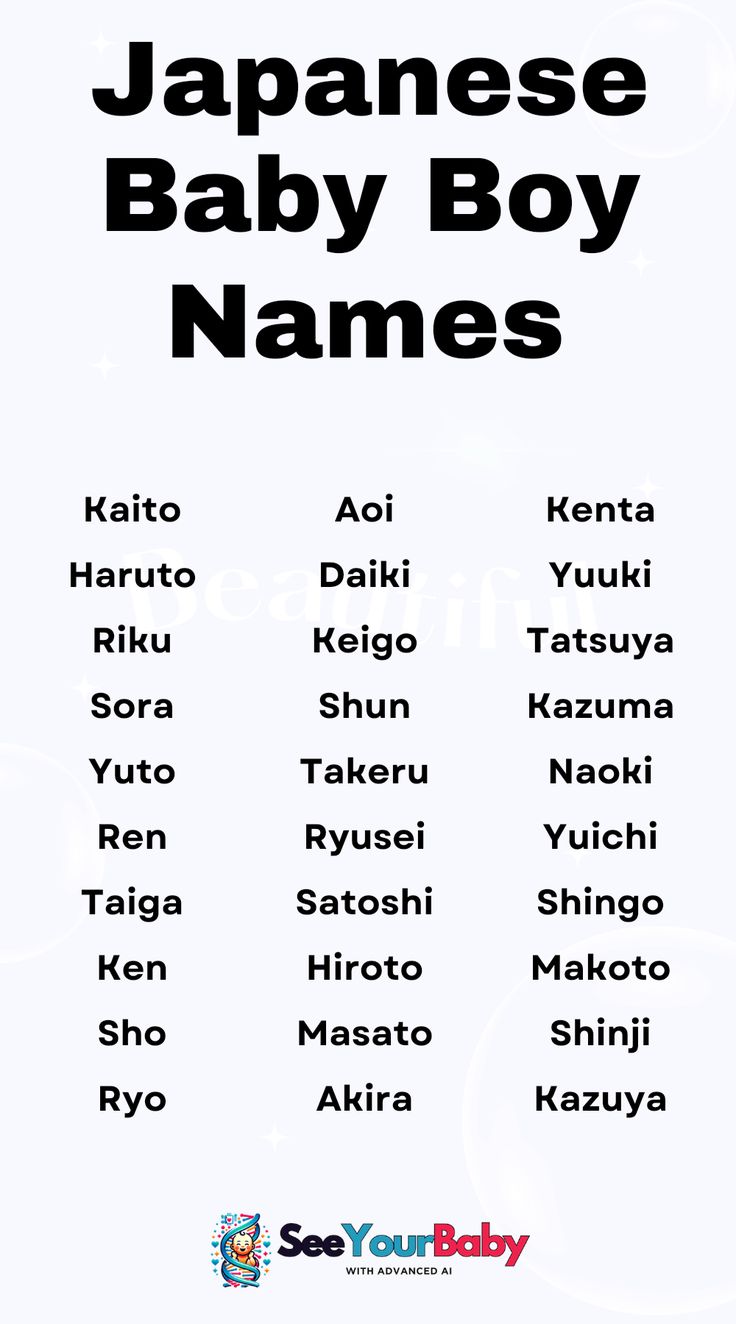
Choosing a name for a newborn is a profound act, one that blends heritage, aspiration, and identity. For parents exploring the elegance of Japanese boy baby names, the process is not merely about selecting a sound but about connecting with a culture that values meaning, balance, and nature. The Japanese naming tradition is a tapestry woven with kanji characters, each carrying layered significance that can shape a child's path.
Understanding the Structure of Japanese Names
Unlike Western conventions, Japanese names typically follow a family-first order, placing the surname before the given name. This structure reflects a cultural emphasis on community and lineage over individualism. When looking for Japanese boy baby names, it is essential to recognize that surnames often provide the first layer of meaning, while the given name serves as a personal descriptor. The harmony between the two is crucial, as the combination should create a balanced and respectful whole.
The Role of Kanji in Naming
The heart of Japanese naming lies in the kanji logograms. Parents select characters not just for their phonetic value, but for their symbolic weight. A single kanji can represent an element of nature, a moral virtue, or a specific emotion. Consequently, the choice of kanji determines the name's depth. For example, selecting a character associated with strength differs vastly from one representing gentleness. This meticulous process ensures the name carries a legacy of intention.


Nature and Seasons
Many Japanese names draw inspiration from the natural world and the changing seasons. Characters representing water, trees, mountains, and sky are prevalent, connecting the individual to the timeless beauty of the environment. Similarly, seasonal elements like spring blossoms or winter snow evoke purity and renewal. Parents often choose these names to bestow a sense of peace and harmony upon their son, hoping he will embody the serenity of nature.
Virtues and Aspirations
Another rich vein of Japanese naming focuses on moral character and life goals. Names incorporating kanji for wisdom, righteousness, courage, and benevolence are extremely popular. These names function as a quiet guidance system, serving as a constant reminder of the values parents wish to instill. A name meaning "wise man" or "noble leader" sets a high standard, aiming to influence the boy's personality and decisions as he matures.


While unisex names exist, there is a distinct preference for names that convey a strong sense of masculinity in Japanese culture. Names for boys often feature harder consonants and decisive kanji to distinguish them from female names. The rhythm of the name is also considered; male names frequently have a sharp, impactful ending. This linguistic nuance ensures the name resonates with the cultural expectations of strength and stability associated with manhood.
Practical Advice for Parents
Embarking on the journey of selecting a Japanese name requires careful research and sensitivity. It is vital to verify the intended meaning of the kanji, as visual similarities can lead to vastly different interpretations. Furthermore, checking the pronunciation ensures the name flows smoothly in conversation. Ultimately, the best Japanese boy baby names are those that feel authentic, carrying a depth of meaning that the child can carry with pride throughout his life.



Related Articles

"Cute & Stylish Baby Nursery Wall Decor Ideas for Your Little One"
Transform Your Baby's Nursery with Charming Wall Decor Creating a nurturing and engaging environment for your baby starts with designing a beautiful and...

"Trending Baby Shower Ideas: Unique & Popular 2023 Themes"
As the anticipation for a new addition to the family builds up, organizing a baby shower can be an exciting yet overwhelming task. Baby showers have become an...

"Trending Bathroom Decor in 2024: Popular Designs & Ideas"
As we step into the new year, it's time to refresh our living spaces, and what better place to start than the bathroom – the most personal and frequently...

"Cute & Meaningful Gift Ideas for Boyfriends: Show You Care!"
cute meaningful gift ideas for boyfriend is a thoughtful gesture that conveys your love and appreciation for your partner. However, finding the perfect gift...

"Modern Islamic House Names in Urdu: Unique & Meaningful Ideas"
Modern Islamic house names in Urdu is a style of naming homes that combines traditional Islamic values with modern tastes and preferences. It's a unique blend...

"Adorable Living Room Ideas: 'Adopt Me' & Transform Your Space!"
Transform Your Space: Adorable Living Room Ideas to Adopt Today Are you ready to give your living room a makeover that's as charming as it is functional? We've...