"Maximize Space: Stylish Kitchen Table Ideas Against the Wall"
When it comes to designing a functional and aesthetically pleasing kitchen, one of the most fundamental decisions you'll make is where to place your kitchen table. For many homeowners, the answer is simple: against the wall. But is this the best choice for your space? Let's delve into the pros, cons, and design considerations of placing your kitchen table against the wall.
Why Place Your Kitchen Table Against the Wall?
Placing your kitchen table against the wall is a popular choice for several reasons:
- Space Efficiency: Wall placement saves floor space, making it an excellent option for small kitchens or open-plan living areas.
- Safety: With the table against the wall, there's less risk of it being knocked over or causing accidents, especially in busy households with children or pets.
- Versatility: Wall-mounted tables can be folded or slid out when needed, providing additional workspace or seating when required.
When Not to Place Your Kitchen Table Against the Wall
While there are many benefits to placing your kitchen table against the wall, there are also some situations where it might not be the best choice:


- Large Kitchens: In spacious kitchens, a table against the wall can feel isolated and may not encourage social interaction as much as a centrally placed or island table.
- Traffic Flow: If your kitchen is the main thoroughfare of your home, a table against the wall could disrupt the natural flow of traffic.
Design Considerations for Wall-Mounted Kitchen Tables
If you've decided that a wall-mounted kitchen table is the right choice for your space, there are several design considerations to keep in mind:
Table Size and Shape
The size and shape of your table will depend on the available wall space and your seating needs. Consider using a narrow table to maximize seating in small spaces, or a larger, rectangular table for more formal dining.


Table Height and Wall Mounting
Ensure your table is at the correct height for comfortable seating. If you're using a wall-mounted table, consider the height of your wall and the size of your table legs when measuring.
Seating Arrangement
Think about how you'll arrange seating around your table. Will you use chairs that tuck under the table when not in use, or would a bench or banquette be more suitable for your space?
Lighting and Decor
Don't forget to consider lighting and decor when designing your space. A well-lit table will make it more inviting, while decorative elements like artwork or shelving can add visual interest to the wall.
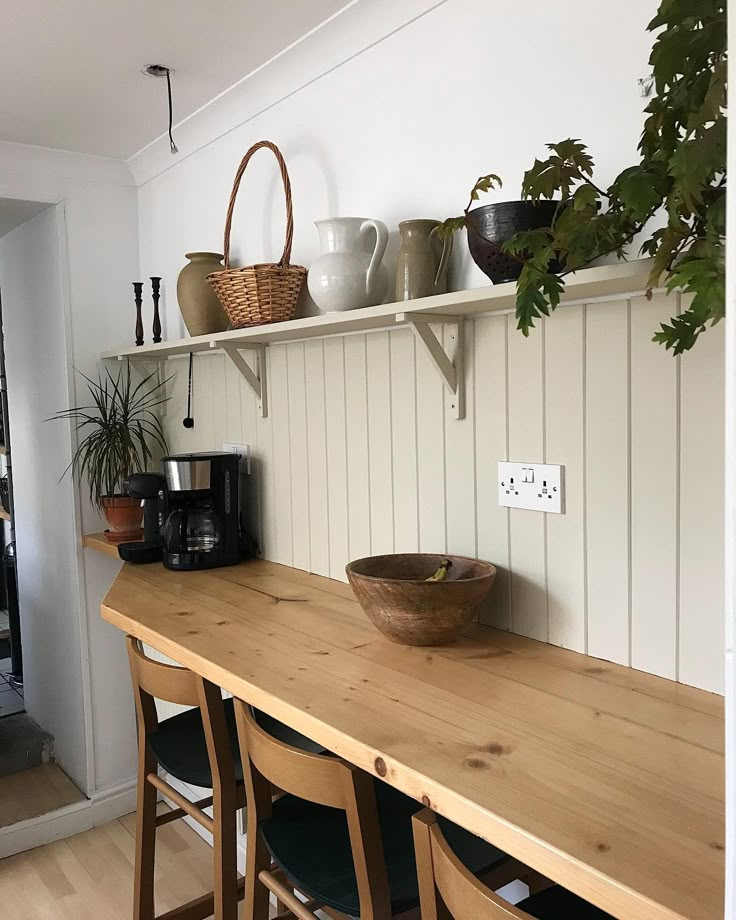


Alternatives to Placing Your Kitchen Table Against the Wall
If you've considered the pros and cons and decided that a wall-mounted table isn't right for your kitchen, there are plenty of other options to consider:
- Island Table: A central island table can provide additional workspace and seating, while also defining the kitchen space in open-plan living areas.
- Floating Table: A floating table suspended from the ceiling can save floor space and create a unique, modern look.
- Drop-Leaf Table: A drop-leaf table can be folded down when not in use, providing additional workspace or counter space in small kitchens.
Ultimately, the best place for your kitchen table will depend on your specific needs, the layout of your space, and your personal design preferences. By considering the pros and cons of wall-mounted tables and exploring alternative options, you can make an informed decision that will enhance the functionality and aesthetics of your kitchen.


Related Articles

"Maximize Space: Wall-Mounted Kitchen Bar Table Ideas"
kitchen bar table against wall is a popular kitchen design trend that offers numerous benefits and versatility, making it an excellent choice for homeowners...

"Cozy Wall-Mounted Kitchen Table Ideas: Maximize Space & Style"
kitchen with table against wall is a game-changer for many homeowners seeking to maximize space and functionality in their kitchen. This unique design element...

"Maximize Space: Bar Table Against Wall Ideas"
Maximizing Space: The Bar Table Against the Wall In the world of interior design, space is a precious commodity. This is especially true in urban areas where...

"Maximize Space: Wall-Mounted Dining Table Ideas"
dining table against wall is a staple of modern home design, offering a simple yet elegant solution for everyday dining. By learning how to effectively...

"Maximize Your Space: Stylish Sofa Placement Against Window in Living Room Ideas"
Maximizing Your Living Room: Sofa Against Window Ideas Placing a sofa against a window in your living room might seem like a challenge, but it can actually...

"Maximize Space: Wall-Mounted Sofa Table Behind Couch"
Maximizing Space: Arranging a Sofa Table Behind a Couch Against a Wall When it comes to optimizing your living space, the arrangement of your furniture plays a...