Effective Letter for Closing Down a Corporation: Sample & Template
Closing down a corporation is a significant legal event that requires precision and adherence to protocol. A formal letter for closing down a corporation serves as the official communication to relevant parties, such as shareholders, regulatory bodies, and creditors, signaling the cessation of business operations. This document is not merely a formality; it is a foundational step that initiates the legal process of dissolution, ensuring that the entity's obligations are addressed systematically and its existence is concluded lawfully.
Understanding Corporate Dissolution
Corporate dissolution is the formal process by which a corporation ceases to exist as a legal entity. This process can be voluntary, initiated by the shareholders' decision, or involuntary, triggered by regulatory non-compliance or court order. The letter for closing down a corporation is the initial instrument that communicates the intent to dissolve. It outlines the rationale for the closure and provides a roadmap for the orderly distribution of assets and settlement of liabilities, distinguishing a voluntary wind-up from an administrative shutdown.
Reasons for Closure
Before drafting the letter, it is essential to understand the underlying reasons for the decision. Common motivations include strategic realignment, financial insolvency, retirement of founders, or the expiration of the business's intended purpose. Identifying the specific cause allows the letter to be crafted with the appropriate tone and detail, ensuring that stakeholders comprehend the context and necessity of the closure.


Essential Components of the Letter
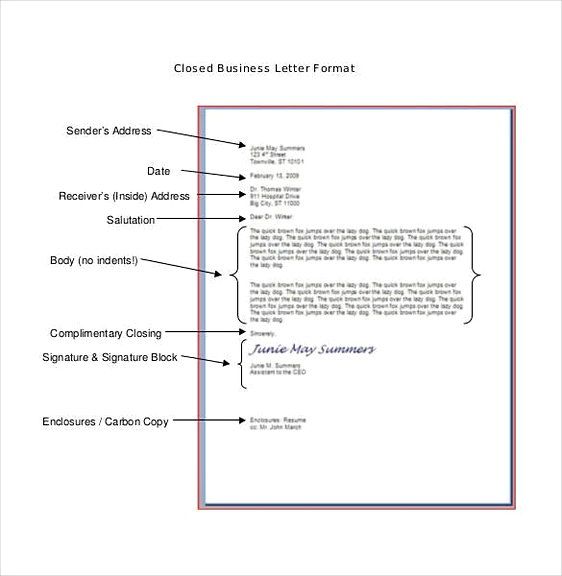
A comprehensive letter for closing down a corporation must include several critical elements to be effective. It should clearly state the corporation's legal name and registration number. The letter must explicitly declare the intention to dissolve and specify the effective date of cessation. Furthermore, it should outline the plan for handling outstanding debts and the distribution of remaining assets, providing transparency to creditors and investors.
| Component | Description |
|---|---|
| Legal Identification | Full legal name, address, and registration number. |
| Dissolution Declaration | Clear statement of intent to cease operations. |
| Effective Date | The specific date operations will terminate. |
| Asset Distribution | Brief outline of how remaining assets will be handled. |
Legal and Tax Implications
Ignoring the legal and tax implications can turn a straightforward closure into a complex dispute. The letter must inform recipients that the corporation is filing for dissolution with the appropriate state authorities. Failure to file the correct paperwork can result in ongoing tax liabilities and penalties. Consulting with a legal or financial expert ensures that the language of the letter complies with jurisdictional requirements, protecting the directors from future liability.


Distribution to Key Stakeholders
The effectiveness of the closure process hinges on the timely distribution of the letter. Shareholders and investors require advance notice to understand the impact on their holdings. Creditors need the documentation to file claims against the estate of the corporation. Regulatory agencies, such as the Secretary of State, must receive certified copies to update their records. A well-structured distribution list prevents delays and ensures that all parties are aligned regarding the timeline of the shutdown.
Post-Letter Procedures
Sending the letter for closing down a corporation is the beginning of the final phase, not the end of the responsibilities. Directors must follow through by settling all outstanding debts and liquidating assets as described. Bookkeeping records must be finalized, and payroll obligations must be met. Only after these steps are completed can the corporation officially be struck from the registry, marking the definitive end of its operational and legal existence.



Related Articles

Effective Payment Request Letter Template Sample
Navigating the delicate process of requesting payment requires a balance of professionalism and clarity. A well-crafted letter asking for payment serves as a...
Business Closing Down Letter to Customers: Sample & Guide
Delivering news that your business is closing down to your customers is one of the most difficult conversations a founder or leader will ever have. While the...

Sample Contract Cancellation Letter Template & Writing Guide
Sending a formal sample contract cancellation letter is often the necessary first step when you need to end an agreement prematurely. Whether you are a...

Homeschool Letter of Intent: Sample & Template to Get Started
When you decide to take on the role of educator for your child, the initial wave of excitement can quickly be followed by a surge of administrative questions...

In-Kind Donation Thank You Letter: Sample & Template
An in kind donation letter thank you serves as the essential bridge between generosity and impact, transforming a simple act of giving into a tangible...

How to Respond to HOA Violation Letter Sample: Free Template Guide
Receiving a Homeowners Association (HOA) violation letter can feel like a sharp slap on the wrist, especially when you believe the rule in question is unclear...