How to Write a Formal Letter to Request Information: Examples & Template
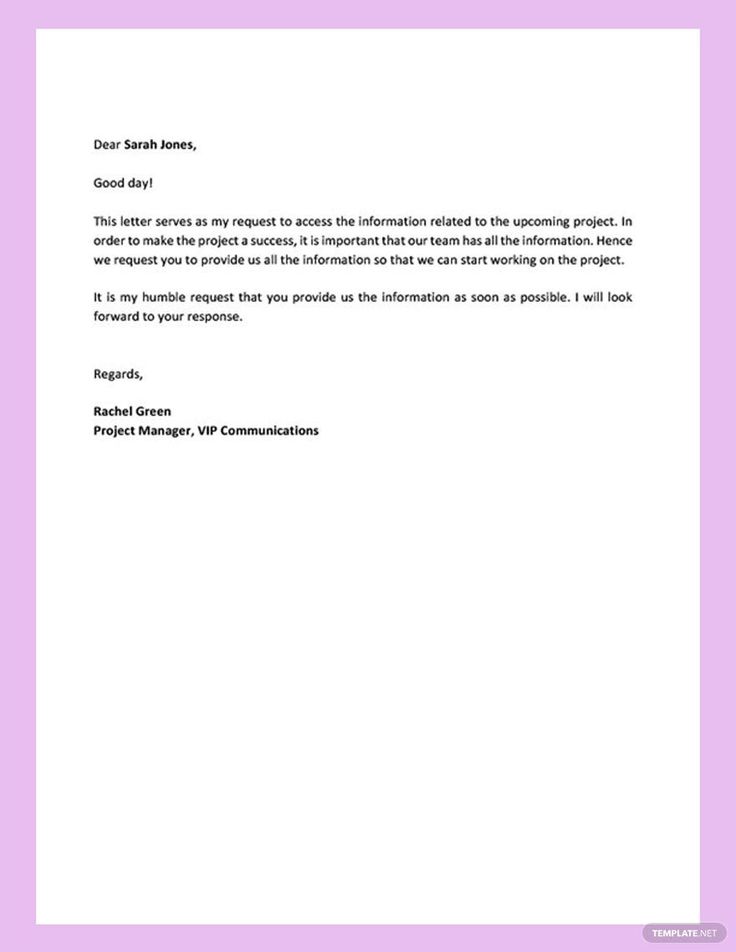
When you need to obtain specific details from a government agency, a business partner, or a professional service, a letter to request information is often the most effective and professional tool. Unlike a quick email or a phone call that can be dismissed or forgotten, a formal written request creates a documented trail. This document serves as a polite but firm assertion of your right to know, clearly outlining what you need and why you need it.
Understanding the Purpose of a Formal Request
The core function of a letter to request information is to bridge the gap between your need for clarity and the possession of that information by another party. Whether you are verifying billing discrepancies, gathering data for research, or confirming details for a legal matter, the letter defines the scope of your inquiry. It moves the interaction from a vague expectation to a concrete action, ensuring that the recipient understands the specific records or answers you are seeking.
Structuring Your Request for Clarity
To ensure a swift and accurate response, the letter must be structured with precision. You should immediately identify yourself and your purpose in the opening lines. Ambiguity is the enemy of efficiency; by stating your intent clearly from the start, you reduce the back-and-forth required to clarify your needs. The body of the letter should then break down the specific information requested, providing context so the recipient knows exactly which documents or data points to locate.


Key Elements to Include
- Your full contact information and date.
- Recipient's name, title, and address.
- A clear subject line or reference number.
- A concise explanation of why you are making the request.
- A bulleted or numbered list of the exact records or answers you need.
- A reasonable deadline for response.
Maintaining a Professional and Respectful Tone
While it is important to be assertive about your needs, the tone of the letter should remain courteous and professional. You are not demanding; you are formally requesting. Phrasing matters significantly—using phrases like "I would appreciate it if you could provide" or "Could you please furnish" conveys respect for the recipient's time and processes. This approach fosters cooperation rather than defensiveness, increasing the likelihood of a positive and timely reply.
Legal and Administrative Weight
A well-drafted request for information can carry significant legal weight, particularly in matters involving contracts, compliance, or personal rights. In many jurisdictions, organizations are legally obligated to respond to reasonable requests for information, such as those related to data privacy or official records. By putting your request in writing, you create evidence of your due diligence. If the matter escalates to a dispute or a regulatory inquiry, this letter serves as a crucial piece of documentation that proves you acted appropriately and sought transparency.


Follow-Up and Next Steps
Even with a flawless letter to request information, you may need to follow up if the response is delayed. If the deadline passes without acknowledgment, a brief follow-up email or call referencing your original letter is appropriate. Keep a copy of everything you send, and if you receive a response, file it systematically. This organized approach not only helps you manage the current inquiry but also builds a reliable history of communication for any future interactions with the same entity.




Related Articles

Mastering the Formal Letter Asking for Information: Template, Tips, and SEO Guide
When you need specific information from a government department, a large corporation, or a professional service provider, a formal letter asking for...

The Ultimate Guide to Crafting the Perfect Vacation Request Letter (with Examples & Template)
Submitting a vacation request letter is a standard professional practice that serves as the formal foundation for securing time off. This document provides a...

Effective Payment Request Letter Template Sample
Navigating the delicate process of requesting payment requires a balance of professionalism and clarity. A well-crafted letter asking for payment serves as a...

Request Letter for Payment of Balance Amount: Sample & Template
Sending a request letter for payment of balance amount is a critical step in maintaining healthy cash flow and professional client relationships. This formal...

Official Company Closure Letter: Sample Template & How To Write Guide
Delivering difficult news with clarity and professionalism is a core competency in business, and a company closure letter is the primary vehicle for this...

Hoa Resignation Letter: Sample Template & How To Write Guide
Submitting a hoa resignation letter is often the first critical step in navigating a complex exit from a homeowners association. Whether you are moving to a...