Mood Ring Color Guide: Decode Your Emotions Instantly
Mood rings have fascinated wearers for decades, transforming from a novelty gift into a sophisticated piece of wearable technology. These accessories promise a window into our emotional state, changing color based on our body temperature and, by extension, our mood. Understanding this phenomenon allows you to select the right piece and interpret its signals with confidence, turning a simple ring into a meaningful tool for self-awareness.
How Mood Rings Actually Work
The magic behind a mood ring is rooted in physics rather than magic. The ring contains a special liquid crystal material encased in a plastic or metal shell. As the temperature of the stone changes, the molecules within the crystal twist, altering how light is reflected. This shift in light refraction is what creates the visible color change, providing a real-time visual cue that is primarily driven by your physiological state rather than a direct command from your brain.
Interpreting the Mood Ring Color Chart
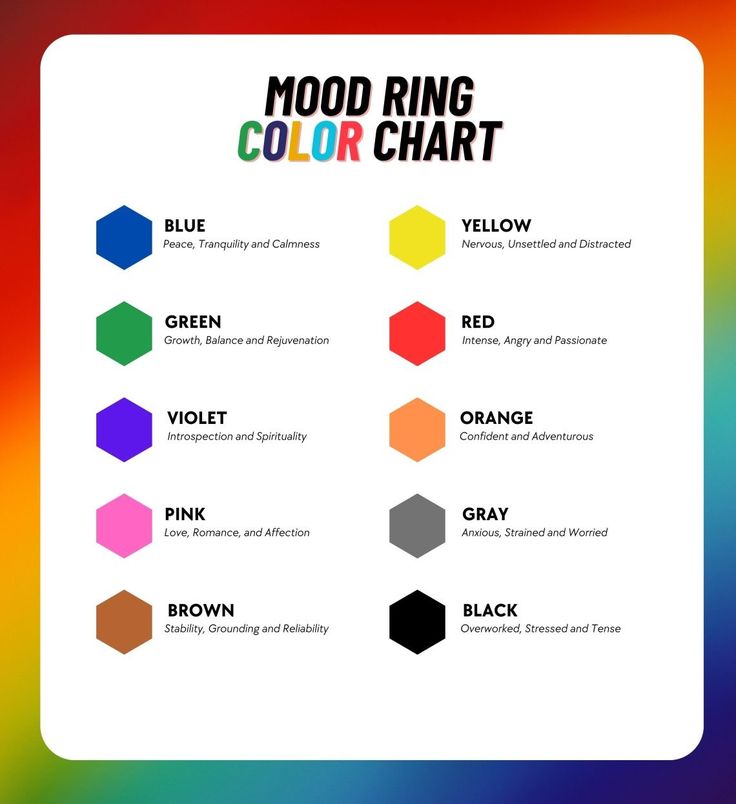
While interpretations can vary slightly between manufacturers, there is a general consensus regarding the meaning of specific colors. These hues typically map to a spectrum of emotions, ranging from calm and secure to anxious and excited. Learning this standard chart is the first step to mastering the language of your accessory.


Core Color Meanings
- Black or Dark Gray: Often indicates stress, anxiety, or a defensive emotional state.
- Brown or Dull Red: Suggests feelings of tension, nervousness, or restlessness.
- Vibrant Red: Signifies passion, excitement, or a surge of adrenaline.
- Violet or Purple: Associated with romance, passion, and deep emotional connection.
- Blue or Teal: Represents calmness, relaxation, and a sense of peace.
- Green: Indicates a balanced, neutral, or average emotional state.
- Yellow or Orange: Reflects a mood of friendliness, energy, or an optimistic outlook.
- White or Clear: Suggests a state of relaxation, tranquility, or mental clarity.
Factors That Influence Color Changes
It is crucial to remember that temperature is the primary catalyst for a mood ring's transformation. Your body temperature can fluctuate due to reasons unrelated to your emotional state. For instance, stepping outside on a cold day will cool the stone, potentially making it appear blue or green, while holding it in your hand or engaging in physical exercise will warm it up, shifting it toward red or violet. Environmental weather plays just as significant a role as your internal feelings.
Selecting the Right Style for You
Modern mood rings are available in a variety of formats to suit different tastes. You can choose a classic standalone ring, a sleek bracelet incorporating the crystal, or even a choker necklace for a more dramatic effect. The setting matters as well; silver is the most common metal used because it efficiently conducts temperature, ensuring the stone reacts quickly and accurately to changes. When shopping, prioritize pieces that use genuine liquid crystal technology over simpler color-changing alloys to ensure you receive an accurate reading.


Using Your Ring as a Mindfulness Tool
Beyond curiosity, a mood ring can serve as a valuable instrument for emotional intelligence. By regularly checking in with the color of your stone, you cultivate a habit of self-reflection. If you notice the ring shifting to a stressed hue, it can act as a prompt to pause and take a deep breath. This biofeedback mechanism helps you identify triggers and recognize the physical manifestations of your emotions, fostering a greater connection between your mind and body.
Caring for Your Sensitive Accessory
To maintain the accuracy and longevity of your mood ring, proper care is essential. Avoid exposing the stone to sudden temperature shocks, such as moving directly from a cold environment into a hot room. Clean the crystal with a soft, damp cloth rather than harsh chemicals, which could damage the surface. Store the ring in a cool, dry place when not in use, and remove it before engaging in activities involving hot water or steam, as extreme heat can permanently alter the liquid crystal material.




Related Articles
Mood Ring Color Meanings: Decode Your Emotions Instantly
The mood ring color meanings have fascinated wearers for decades, turning a simple piece of jewelry into a perceived window into the emotional world. While the...

Adult Mood Ring Color Meaning: Decode Your Emotions Instantly
The adult mood ring color meaning has evolved from a nostalgic childhood trinket into a sophisticated tool for self-awareness. Often viewed as a playful...
Mood Ring Color Meaning Chart: Decode Your Emotions Instantly
Mood rings have fascinated wearers for decades, operating on a simple yet compelling premise: a piece of jewelry that reflects your inner emotional state...

White Mood Ring Meaning: Decode Your True Colors & Emotions
The mood ring color white presents a fascinating anomaly within the world of emotional biofeedback jewelry. While most discussions focus on vibrant blues...
Mood Ring Color Meanings Chart: Unlock Your Emotions Instantly
Mood rings have fascinated wearers for decades, transforming from a 1970s novelty into a lasting symbol of intuitive self-awareness. While the technology...
The Ultimate Mood Ring Colors Chart: Decode Your Emotions Instantly
Mood rings remain one of the most fascinating examples of wearable technology, blending simple thermodynamics with human psychology. These iconic bands promise...