"Transforming Timeless: Remodeling a 1960s Ranch House"
Transforming a 1960s Ranch House: A Comprehensive Remodeling Guide
Embarking on a remodeling journey for your 1960s ranch house? You're in the right place! This comprehensive guide will walk you through the process, from understanding your home's unique charm to creating a functional, modern living space that respects its mid-century roots.
Understanding Your 1960s Ranch House
Before you grab your sledgehammer, take a step back to appreciate your home's history. Ranch houses from the 1960s are characterized by their single-story layout, long, low roofline, and open floor plans. They were designed for casual, family-friendly living, and their simplicity is part of their appeal. Keep this in mind as you plan your remodel to maintain the integrity of your home's original design.
Assessing Your Home's Condition
Before you start any work, it's crucial to assess your home's condition. Check for signs of wear, damage, or outdated systems. This could include anything from leaky roofs to outdated electrical panels. Addressing these issues early will save you time and money in the long run.

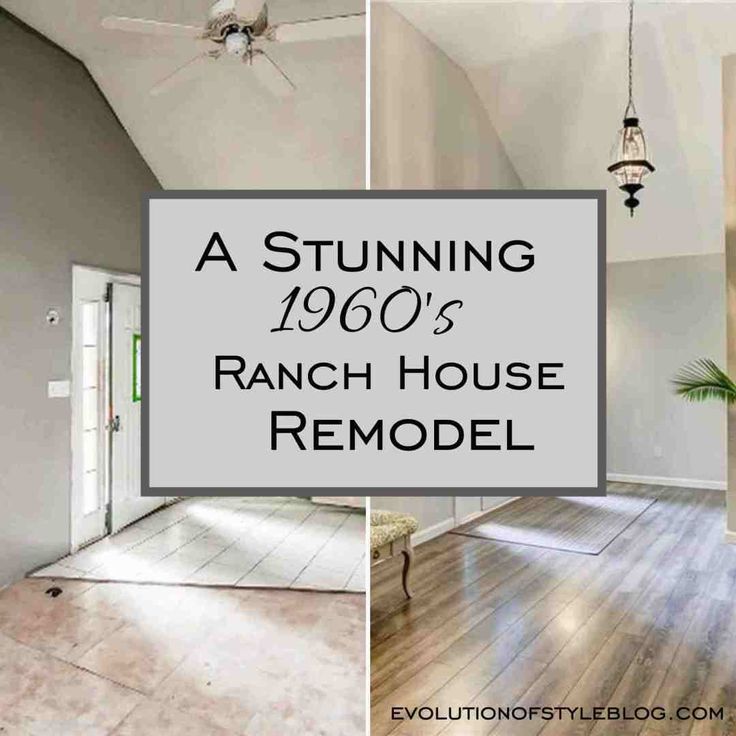

Inspecting the Exterior
- Roof: Check for missing or damaged shingles, and ensure the flashing is in good condition.
- Siding: Look for cracks, warping, or other signs of damage. Consider updating to a low-maintenance material like vinyl or fiber cement.
- Foundation: Inspect for cracks or settling, which could indicate structural issues.
Inspecting the Interior
- Electrical: Ensure your home has enough outlets and that they're in good working order. Consider updating to grounded outlets and a larger electrical panel if needed.
- Plumbing: Check for leaks, corrosion, or outdated pipes. Consider updating to PEX or copper piping for better performance and durability.
- HVAC: Evaluate the condition of your heating and cooling systems. Consider upgrading to a more energy-efficient model.
Planning Your Remodel
Once you've assessed your home's condition, it's time to plan your remodel. Consider your budget, timeline, and the changes you want to make. Here are some popular updates for 1960s ranch houses:
Open Concept Living
Many ranch houses have separate living and dining rooms. Consider knocking down walls to create an open concept living space that's perfect for entertaining and everyday living.


Kitchen Update
The kitchen is often the heart of the home, and a well-designed kitchen can significantly increase your home's value. Consider updating cabinets, countertops, and appliances, and adding features like an island or pantry for better functionality.
Bathroom Refresh
Bathrooms from the 1960s often feature outdated fixtures and finishes. Consider updating to modern, energy-efficient fixtures, and adding features like a walk-in shower or soaking tub for a spa-like retreat.
Adding Square Footage
If your family is outgrowing your home, consider adding on to your ranch house. A well-designed addition can add valuable living space without sacrificing your home's charm.


Finding the Right Contractor
Choosing the right contractor is crucial to the success of your remodel. Look for a contractor with experience in mid-century homes, and check their references and credentials thoroughly. A good contractor will listen to your vision, provide honest advice, and keep your project on track.
Making Your Remodel Last
Once your remodel is complete, there are a few things you can do to ensure it lasts. Regular maintenance, like cleaning your gutters and painting your trim, can help prevent damage and keep your home looking its best. Additionally, consider using durable, low-maintenance materials throughout your home to minimize wear and tear.
| Material | Benefits |
|---|---|
| Vinyl Siding | Low maintenance, durable, and available in a variety of styles and colors. |
| Fiber Cement Siding | Durable, low maintenance, and resistant to fire, rot, and insects. |
| Laminate Flooring | Durable, easy to clean, and available in a variety of styles and colors. |
Embarking on a remodel of your 1960s ranch house is an exciting journey. By understanding your home's unique charm, planning carefully, and choosing the right contractor, you can create a living space that's both functional and true to your home's mid-century roots.


Related Articles
"Transforming Timeless: A 1960s Ranch House Remodel"
Reviving the Past: A Comprehensive Guide to Remodeling a 1960s Ranch House Embarking on a 1960s ranch house remodel is an exciting journey that combines the...
"Transforming Timeless: A 1960 House Remodel Masterclass"
Reviving the Past: A Comprehensive Guide to Remodeling a 1960s Home Embarking on a 1960s house remodel is an exciting journey that combines preserving history...
"Transform Your 1970s Ranch House: Expert Remodeling Ideas"
Transforming a 1970s Ranch House: A Comprehensive Remodeling Guide Embarking on a remodeling project for a 1970s ranch house can be an exciting journey that...
"Revive Your Ranch: Remodeling 70's Style Homes for Modern Living"
Transforming a 70's Ranch Style House: A Comprehensive Remodeling Guide Embracing the charm of a 70's ranch style house while craving a modern update? You're...
"Transforming Time: A 1960s House Remodel for the Modern Age"
Reviving the Past: A Comprehensive Guide to 1960s House Remodel The 1960s was a decade marked by rapid change and innovation, and this spirit is reflected in...

"Transforming Timeless: A Stunning Old House Kitchen Remodel"
Transforming Timeless Spaces: A Comprehensive Guide to Old House Kitchen Remodeling Embarking on an old house kitchen remodel is an exciting journey that...