"Transform Your Space: Rugs as Wall Hangings"
Rugs: Transforming Walls into Artistic Masterpieces
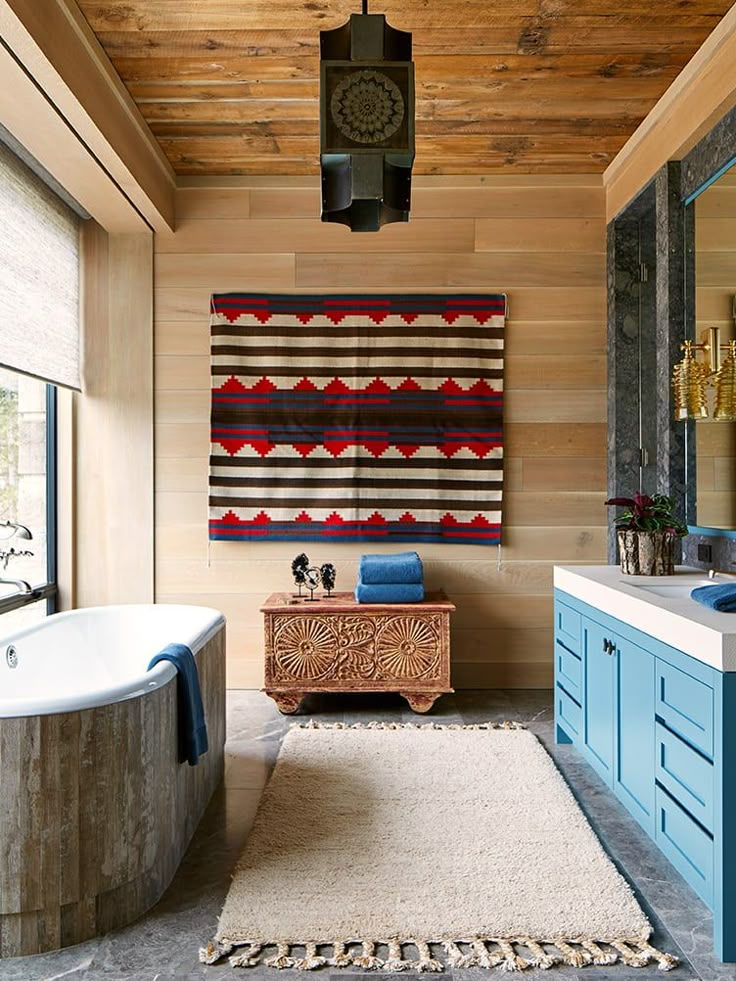
In the realm of interior design, rugs have traditionally been used to warm up floors and define spaces. However, in recent years, a new trend has emerged: rugs as wall hangings. This innovative approach not only adds a unique touch to your walls but also brings a sense of warmth, texture, and artistry to your space. Let's delve into this exciting trend, its benefits, and how you can incorporate rugs into your wall decor.
Why Hang Rugs on Walls?
Rugs, when hung on walls, serve multiple purposes. Firstly, they act as stunning pieces of art, adding a focal point to your room. Secondly, they can help to insulate your walls, reducing noise and maintaining a comfortable temperature. Lastly, they provide an opportunity to display your personal style and cultural heritage through the patterns and textures of the rug.
Types of Rugs for Wall Hangings
Not all rugs are suitable for wall hangings. The ideal rug for this purpose is flat-woven, lightweight, and has a non-slip backing to prevent it from sliding down the wall. Here are a few types of rugs that work well as wall hangings:


- Dhurries: These are flat-woven rugs from India, known for their vibrant colors and geometric patterns.
- Kilims: Originating from Turkey and the Middle East, kilims are flat-woven tapestries with intricate designs.
- Tapestries: These are hand-woven textiles, often featuring complex scenes or abstract designs.
- Bouclé and Chenille: These are soft, textured rugs that can add a cozy, luxurious feel to your walls.
Hanging Rugs: A Step-by-Step Guide
Hanging a rug on your wall might seem daunting, but it's a straightforward process. Here's a simple guide to help you:
- Choose a wall that's free from electrical outlets and switches.
- Measure and mark the center point of your wall and the rug.
- Use a level to ensure your rug will hang straight.
- Attach a hanging system to the back of your rug. This could be a rod pocket, a tension rod, or a custom-made frame.
- Hang the rug on the wall, using screws or nails to secure it if necessary.
Styling Tips for Rug Wall Hangings
Once your rug is hung, it's time to style it. Here are some tips to help you:


- Create a gallery wall: Combine your rug with paintings, prints, and mirrors for a eclectic, art-filled wall.
- Use it as a headboard: Hang a rug above your bed to create a unique, textured headboard.
- Highlight a specific color: Choose a rug that picks up on a color in your room, creating a cohesive look.
- Add texture: Pair your rug with smooth, sleek surfaces to create visual interest.
Caring for Wall-Hanging Rugs
Rugs hung on walls are less susceptible to wear and tear than those on the floor. However, they still require care to keep them looking their best. Regularly dust your rug and vacuum it if possible. If your rug becomes dirty, consult a professional cleaning service.
Conclusion
Rugs as wall hangings are a creative, unique way to decorate your space. They add texture, color, and artistry to your walls, reflecting your personal style and cultural heritage. Whether you choose a vibrant dhurry, a intricate kilim, or a soft chenille, a rug on your wall is sure to make a statement. So, why not give it a try? Your walls will thank you!




Related Articles

"Transform Your Outdoor Space: Stunning Sun Wall Hangings for Instant Impact"
Elevate Your Outdoor Space: The Charm of Outdoor Sun Wall Hangings In the pursuit of transforming your outdoor living area into a serene and inviting oasis...

"Transform Your Space: 20+ Stunning Wall Hangings for Living Room Ideas"
Transform Your Living Room with Stunning Wall Hangings In the world of interior design, walls often get overlooked, serving merely as a backdrop to the...

"Transform Your Space: Persian Rug Wall Hangings for a Stunning Accent"
Elevate Your Space: The Art of Persian Rug Wall Hangings In the realm of interior design, the Persian rug has long been revered for its intricate patterns...

"Wall Hangings: Stylish & Cozy Rugs for Your Space"
Transform Your Space with Wall Hanging Rugs: A Comprehensive Guide In the world of interior design, rugs are no longer confined to the floor. Wall hanging...

"Stylish Wall Hangings for Your Kitchen: Transform Your Space Today!"
Transform Your Kitchen Space with Stylish Wall Hangings In the heart of your home, the kitchen is more than just a space for cooking and dining; it's a canvas...

"Vibrant Moroccan Wall Hangings & Rugs: Elevate Your Space"
Moroccan wall hangings and rugs are not just functional items, but also stunning pieces of art that can transform any space into a vibrant and inviting haven...