The Ultimate Guide to Sealing a Metal Roof: Expert Tips & Waterproofing Solutions
Standing seam metal roofs are celebrated for their durability and energy efficiency, but even the toughest materials require a proactive approach to long-term performance. Sealing a metal roof is the critical practice of protecting vulnerable joints, edges, and penetrations from the elements. This process creates a watertight barrier that prevents leaks, condensation, and the damaging effects of UV exposure. Whether you are installing a new roof or maintaining an existing one, understanding the nuances of sealing is essential for preserving the integrity of your investment.
The Importance of Proper Roof Sealing
The primary purpose of sealing a metal roof is to manage water intrusion at the points where the roof is most vulnerable. Fastener heads, seams, and transitions around vents or skylights create natural pathways for rain and snowmelt. If these points are not adequately protected, moisture can penetrate the substrate, leading to rust, mold growth, and structural damage. A well-sealed roof also contributes to energy efficiency by preventing air leaks and regulating indoor temperatures. By addressing these issues early, building owners can avoid costly repairs and extend the lifespan of their metal roofing system significantly.
Key Areas That Require Attention
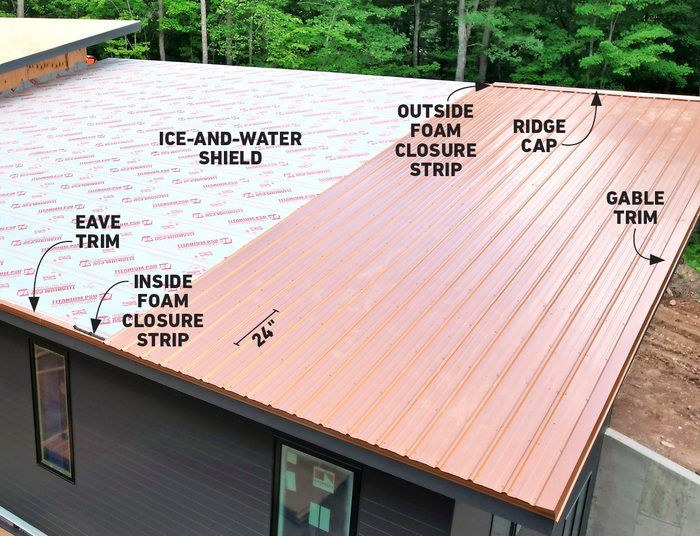
Not all metal roof seams are created equal, and different areas of the roof face distinct exposure levels. The most common zones that require sealing include the seams where panels meet, the edges of the roof, and the valleys where two planes intersect. Additionally, any penetration of the roof plane, such as plumbing vents, chimneys, or HVAC units, demands meticulous attention. These transitions are the weakest links in the roofing envelope, and they require specialized flashing and sealant to ensure water is diverted away from the building rather than allowed to enter.


Fastener Sealing
Fasteners, including screws and nails, create small punctures in the roofing material that can become entry points for water. Sealing these points is usually achieved with rubberized gaskets that compress against the metal surface. When selecting fasteners, it is vital to choose materials compatible with the roof coating to prevent chemical reactions that could degrade the seal. Proper installation technique is equally important; over-tightening can damage the gasket, while under-tightening leaves gaps for water to pool. Regular inspections of fastener heads can reveal early signs of wear, allowing for timely maintenance before leaks occur.
Materials and Sealant Selection
The success of sealing a metal roof hinges on choosing the right materials for the environment and roof type. Silicone, polyurethane, and acrylic sealants are popular choices, each offering distinct advantages. Silicone is highly flexible and UV-resistant, making it ideal for areas with extreme temperature fluctuations. Polyurethane provides excellent adhesion but can be rigid, while acrylic sealants are cost-effective for moderate climates. The substrate material—whether bare metal, galvalume, or painted—also dictates the best adhesive properties required for a lasting bond.


| Sealant Type | Best For | Key Property |
|---|---|---|
| Silicone | Seams and flashings | |
| Polyurethane | Heavy-duty attachments | |
| Acrylic | Interior seams or low-slope roofs |
Application Best Practices
Applying sealant correctly is just as important as selecting the right product. Surfaces must be clean, dry, and free of rust, dirt, or old sealant residues to ensure proper adhesion. For seams, the sealant should be applied in a continuous bead that fills the joint without creating air pockets. When working with penetrations, the flashing should be installed first, and the sealant should be applied to the top side to encourage water to run off the roof surface. Avoid applying sealant in excessively cold or hot temperatures, as this can compromise the curing process and final elasticity.
Maintenance and Longevity
Sealing a metal roof is not a "set it and forget it" solution; it requires ongoing observation to remain effective. Building managers should schedule visual inspections at least twice a year, ideally in the spring and fall. During these checks, look out for cracked caulk, shrinking sealant, or discoloration that indicates UV breakdown. Addressing minor issues immediately prevents them from escalating into major leaks. With proper maintenance, a sealed metal roof can perform flawlessly for the duration of its expected service life, often spanning several decades.




Related Articles

The Ultimate Guide to Sealing a Metal Roof: Expert Tips & DIY Solutions
Sealing a metal roof is a critical maintenance task that protects your investment from the damaging effects of weather, thermal expansion, and corrosion...

The Ultimate Guide to Metal Roof Sealing: Expert Tips & Solutions
Standing seam metal roofs are celebrated for their durability and energy efficiency, but even the most robust system relies on meticulous metal roof sealing...
The Ultimate Guide to Sealing Metal Roofing: Expert Tips & Waterproof Solutions
Standing seam metal roofs are celebrated for their durability and energy efficiency, yet even this robust system requires a layer of protection to combat UV...

Ultimate Guide to Waterproofing Wet Areas: Expert Tips & Solutions
Wet areas within the home, such as bathrooms, kitchens, and laundry rooms, are subjected to constant moisture. This persistent exposure creates an environment...

The Ultimate Guide to Sealing Brick Wall: Expert Tips & DIY Solutions
Few construction or restoration projects demand the same blend of durability and aesthetics as a properly sealed brick wall. Whether you are protecting a...

The Ultimate Guide to Parging Foundation Walls: Expert Tips & Waterproofing Solutions
When assessing the structural integrity of a home, the foundation wall is often the most overlooked yet critical component. Parging a foundation wall is a...