Toilet Flapper Size Guide: Find the Perfect Fit for Your Bathroom Fixture
Choosing the correct toilet flapper size is one of the most overlooked yet critical components of a properly functioning bathroom. While the problem often manifests as a silent water leak or an endless run, the solution is usually a simple, standardized replacement part. Understanding the difference between the 1/2 inch and 3 inch flapper, along with the modern variants like the dual flush mechanism, ensures you solve the leak the first time without purchasing the wrong hardware.
Identifying the Standard 1/2 Inch Flapper
For decades, the standard toilet manufactured in North America utilized a 1/2 inch flapper valve. This specific size refers to the diameter of the pipe that exits the tank and connects to the bowl. If you have an older home or a basic economy toilet, the chances are high that you require this compact size. Identifying it is easy: look at the opening at the bottom of the tank; if the pipe is roughly the width of a finger, you likely need the 1/2 inch version. These systems rely on a simple chain and lever mechanism that lifts the rubber valve to allow water to flow through the narrow opening.
The Rise of the 3 Inch Flapper
As water conservation became a priority and toilet design evolved, manufacturers shifted to a larger trapway. The 3 inch flapper is now the industry standard for any modern, low-flow toilet. This larger diameter allows for a much more powerful siphonic action, clearing the bowl efficiently with less water. If your toilet was installed in the last 15 to 20 years, it almost certainly requires this larger size. Upgrading to a 3 inch flapper can also improve performance in older models that suffer from weak flushes, provided the rest of the plumbing is adequate.


Dual Flush and Speciality Sizes
The market has evolved beyond the simple universal flapper, offering specialized solutions for specific toilet designs. Dual flush systems, designed to save water by offering a half flush and full flush, often utilize their own proprietary flapper sizes and mechanisms. Before assuming your toilet uses a standard 1/2 or 3 inch, measure the old component or inspect the packaging of a replacement. You might encounter "hockey puck" style flappers or dome style flappers, which are specific to certain brands and require exact matching to function correctly.
How to Measure Your Current Flapper
If the packaging is long gone and the manufacturer is a mystery, a quick measurement will tell you everything you need to know. Turn off the water supply to the tank, flush the remaining water, and reach inside to unhook the chain. You can either measure the width of the valve itself or the distance between the two hinges or clips at the top corners. A measurement of roughly 2 inches across the valve indicates a 1/2 inch model, while a valve closer to 3 inches requires the larger replacement. Always take the old part to the store to ensure compatibility, as universal models must fit this specific dimension.


Material Matters: Wax vs. Silicone
While the size determines the fit, the material determines the longevity of the repair. Traditional wax ring flappers are inexpensive and do the job, but they tend to become brittle and crack after a few years, leading to the return of the leak. Upgrading to a silicone flapper is a wise investment for long-term relief. Silicone is resistant to chlorine and water degradation, maintaining its flexibility and seal integrity much longer. This prevents the frustration of having to replace the same small part every couple of years.
The Connection to the Overflow Tube
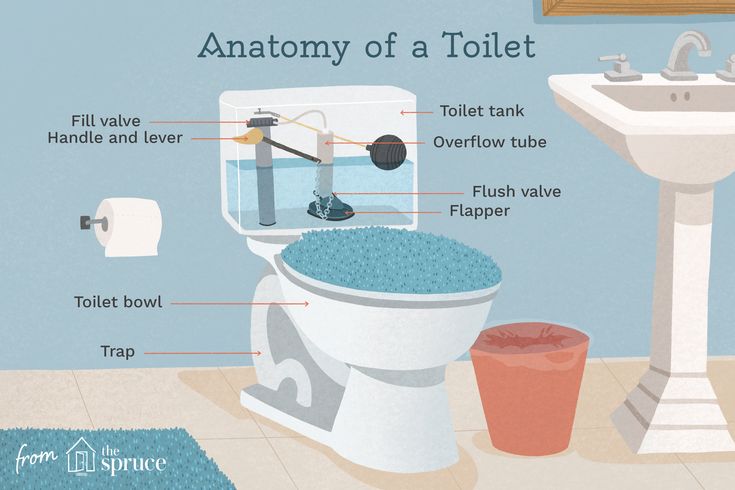
It is essential to understand that the flapper creates a seal not just for the drain, but to manage the water level in relation to the overflow tube. If the flapper is too small for the valve seat, water will continuously leak into the bowl, tricking the fill valve into refilling the tank constantly. Conversely, a flapper that is too large for the seating area will not create a proper seal, leading to the same issue of constant running. Ensuring the size matches the drain ensures the water level stays correct, sitting just below the overflow tube, which is the true definition of a efficient toilet.
Troubleshooting Persistent Issues
Even with the correct size, a toilet may still run if the flapper is damaged or the chain is misaligned. If the new flapper size is correct but the problem persists, check the float height. The water level might be set too high, causing water to siphon into the overflow tube before the flapper seals completely. Additionally, ensure the flapper lies flat against the seat; mineral deposits or a warped seat can prevent a tight seal. Cleaning the seat with vinegar or replacing the entire valve assembly might be necessary if simple size correction does not resolve the running water issue.




Related Articles

"The Perfect Shower Size: Find the Best Dimensions for Your Bathroom"
Finding Your Perfect Fit: The Best Size Shower for Your Space When it comes to designing or renovating your bathroom, one of the most important decisions...

"Find Your Perfect Fit: Top Stores for Bathroom Vanities"
Discovering the Perfect Fit: Stores with Bathroom Vanities When it comes to transforming your bathroom into a personal oasis, selecting the right bathroom...

"Perfect Round Table Rug Sizes: Find Your Ideal Fit"
Choosing the Perfect Round Table Rug Size: A Comprehensive Guide Selecting the right size of a round table rug can significantly enhance the aesthetics and...

"Upgrade Your Bathroom: American Standard Tall Toilet - Perfect Height, Perfect Comfort"
American Standard Tall Toilets: Comfort, Style, and Efficiency In the market for a new toilet? If you're looking for a combination of comfort, style, and...

"Elevate Your Bathroom Style: Discover the Perfect 'Nice Butt' Toilet Paper Holder"
In the quest for the perfect bathroom, every detail matters, even the seemingly mundane toilet paper holder. While functionality is paramount, why not elevate...

The Ultimate Guide to Standard Flapper Size: Perfect Fit & Easy Installation
When discussing toilet maintenance, the term "standard flapper size" often arises, yet it is rarely as straightforward as it seems. Most modern residential...