Stunning Tulip Bulbs in Glass Vase: Spring Blooms & Shop Now
The sight of tulip bulbs in glass vase arrangements has become a celebrated symbol of springtime renewal and sophisticated simplicity. This practice transforms humble dormant tubers into striking botanical displays, offering a unique alternative to traditional soil-based planting. By utilizing the power of water and observation, enthusiasts can witness the entire lifecycle of a tulip, from the subtle swell of the bulb to the dramatic unfurling of vibrant petals. It is an accessible project that brings the energy of a spring garden directly into the home, requiring minimal space and no prior gardening experience.
The Science Behind the Beauty
Understanding the biology of the tulip bulb is essential for success with this method. A tulip bulb is essentially a storage unit, packed with the necessary nutrients and energy reserve required to fuel the growth of leaves and flowers. When placed in a glass vessel, the bulb relies solely on these internal stores to initiate root development and stem elongation. Unlike soil, which provides nutrients, the glass environment relies on the bulb's innate capabilities and the simple provision of water to create a self-sustaining ecosystem within the vase.
Selecting the Perfect Specimens
Not all bulbs are created equal, and choosing the right ones is the first critical step. Look for large, firm bulbs that feel heavy for their size and are free from any signs of mold, soft spots, or mechanical damage. Species tulips, known for their hardiness and charming, smaller blooms, are often recommended for this purpose. Opt for varieties specifically suited for forcing, as they have been cultivated to perform well indoors with a reliable chilling period.


Chilling: The Necessary Winter Simulation
Tulip bulbs require a period of cold temperatures to break their dormancy and trigger the flowering process. This natural winter simulation, known as vernalization, is a non-negotiable step. The bulbs should be refrigerated for a duration of 12 to 16 weeks at a consistent temperature between 35°F and 45°F. During this time, it is crucial to keep them dry and separate from fruits, particularly apples, which release a gas that can inhibit flowering.
The Vase and Setup Process
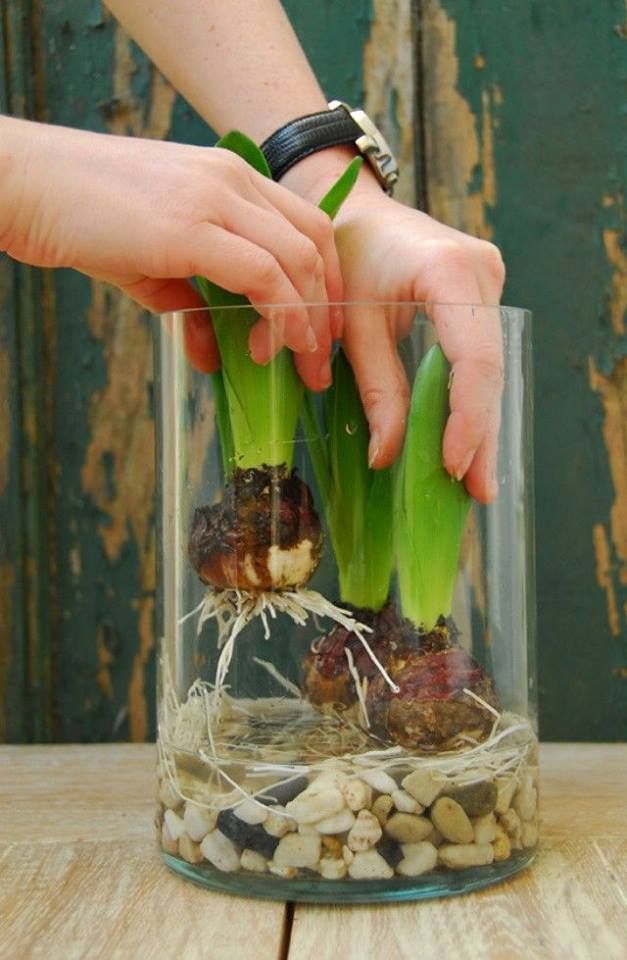
Selecting the right glass vessel is about balancing aesthetics with functionality. A clear glass vase allows for the mesmerizing view of root development, but the shape is equally important. A narrow-necked bottle or a vase with a small opening is ideal, as it provides essential structural support for the heavy bulb as it grows. The setup is straightforward: place the bulb into the opening so that the base is just above the water level, ensuring the roots can grow downward into the water without the bulb itself becoming waterlogged and rotting.


- Position the bulb so that the pointed end is facing upward.
- Add water to the reservoir, ensuring it touches only the base of the bulb.
- Place the vase in a cool, dark location for the initial root development phase.
- Once roots are established and the stem is growing, move the vase to a bright, indirect light spot.
Ongoing Care and Maintenance
Caring for your glass vase tulips is a low-effort yet rewarding endeavor. The primary maintenance requirement is to ensure the water level remains consistent, topping it off as evaporation occurs. Change the water entirely once a week to prevent the growth of bacteria and algae, which could harm the developing roots. As the green leaves emerge and the stem elongates, rotate the vase periodically to encourage the bud to grow straight toward the light source.
The Spectacle of Blooming
The culmination of this process is the moment the tulip finally blooms. Depending on the variety and the timing of the chilling period, this can take several weeks from start to finish. As the bud swells and begins to show color, you will witness a stunning floral display without the mess of soil or the need for constant watering. These cut flowers, once cut, are incredibly long-lasting in a standard vase, allowing you to enjoy their beauty for days after they reach peak bloom in their glass sanctuary.
| Feature | Glass Vase Method | Traditional Soil Method |
|---|---|---|
| Nutrient Source | Bulb internal reserves | Soil fertilizer |
| Water Visibility | Full visibility | Limited visibility |
| Mess Level | Low | Medium to high |
| Bloom Duration (Indoors) | 1-2 weeks | 2-3 weeks |




Related Articles

Black Parrot Tulip Bulbs: Plant Stunning Spring Flowers Now
Black parrot tulip bulbs represent the dramatic pinnacle of the Tulipa gesneriana genus, offering a flower that appears to drink in the light. Often mistaken...

"Elevate Your Space: Stunning Glass Vase Centerpiece Ideas with LED Lights"
Elevate Your Table Decor: Glass Vase Centerpiece Ideas with LED Lights Create a stunning focal point for your dining table or living room with glass vase...

"Elevate Your Space: Stunning Glass Vase Wall Hangings"
Elevate your wall decor and add a touch of elegance with a glass vase wall hanging. This unique and stylish home accessory is not only functional but also...

"Elevate Your Vase: Gold Glass Beads for Stunning Decor"
Elevate Your Vase Decor: The Allure of Gold Glass Beads In the realm of interior design, vase decoration often plays a pivotal role in setting the tone and...

"Vibrant Tulip Wall Art: Transform Your Space with Stunning Blooms"
tulip wall artwork is a unique and beautiful way to bring the beauty of nature into your home. With the rise of minimalist decor, many homeowners are turning...

Planting Tulip Bulbs in Spring: Can You Do It?
The short answer to can you plant tulip bulbs in the spring is yes, but with significant caveats. While tulips thrive when planted in the cool soil of autumn...