Vertical vs Horizontal Window Grids: Which Style is Best?
Choosing the right window grid pattern is a subtle design decision that significantly impacts a room’s aesthetic and structural perception. When comparing vertical versus horizontal window grids, the choice often comes down to the architectural style of the home and the desired emotional effect. A vertical layout draws the eye upward, emphasizing height and creating a sense of grandeur, while a horizontal arrangement grounds the window, promoting a feeling of stability and connection to the landscape.
Understanding the Visual Weight of Grids
Visual weight refers to how much attention a design element draws relative to others on the page or screen. In the context of windows, grid patterns act as the frame’s jewelry, adding detail and complexity. The direction of the lines within the grid dictates this weight. Vertical lines, by their nature, suggest growth, strength, and aspiration, making a standard door or window appear taller than it is wide. Conversely, horizontal lines convey rest, calm, and expansion, stretching the eye laterally across the facade or wall.
The Impact of Vertical Window Grids
Vertical grids are a popular choice for homeowners looking to enhance the stature of their windows and, by extension, the rooms they inhabit. This style is particularly effective in maximizing light in spaces that are narrow or have limited ceiling height, as the vertical lines create an illusion of expanded height. They are a staple in traditional and transitional architecture, where they mimic the look of classic divided lights found in historic homes. The vertical orientation also complements interior design elements such as tall bookcases or vertical wainscoting, creating a cohesive flow from floor to ceiling.


When to Choose Vertical Layouts
- To add perceived height to a room with low ceilings.
- To emphasize a tall, narrow architectural feature like a stairwell.
- To create a formal and sophisticated aesthetic.
- When you want to draw the eye upward toward a view or focal point.
The Power of Horizontal Window Grids
While vertical grids reach for the sky, horizontal window grids root the view. This style is exceptionally well-suited for modern and contemporary architecture, where clean lines and minimalism are key. A horizontal grid connects the window to the horizontal planes of the roofline and foundation, reinforcing the sense of the building as a solid, grounded structure. This pattern is also ideal for maximizing a sweeping view, as the horizontal division allows for a long, uninterrupted line of sight across the panes.
Ideal Applications for Horizontal Grids
- On wide, expansive walls where you want to maintain a low profile.
- To complement flat or shed-style rooflines.
- For a relaxed, casual, or ultra-modern look.
- In rooms where you want to emphasize the outdoors, like a patio or garden view.
Balancing Function and Fashion
Beyond aesthetics, the grid pattern can influence the practical aspects of window treatment and airflow. Vertical grids often require fewer individual lites (panes of glass), which can translate to lower costs and easier maintenance. Horizontal grids, particularly when implemented in larger windows, can create more panes, which might increase cleaning complexity. From a ventilation standpoint, the pattern dictates where hardware like cranks and handles can be placed, so it’s essential to consider how the window will operate in conjunction with the chosen grid style.

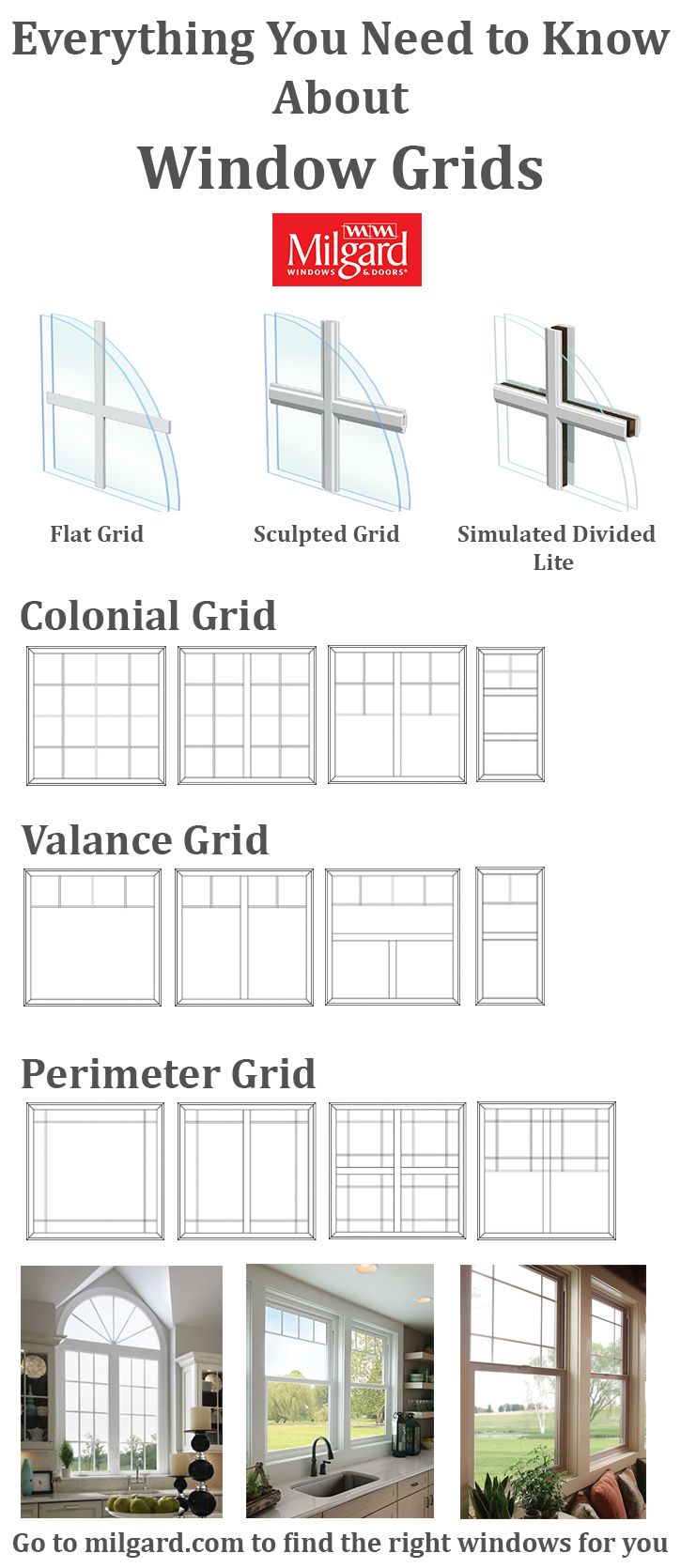

Making the Final Decision
Determining whether vertical vs horizontal window grids is the right choice starts with evaluating your home’s existing architecture. A Victorian-era home will likely benefit from the ornateness of vertical muntins, while a mid-century modern ranch might be perfectly served by the clean geometry of horizontal bars. Ultimately, the grid pattern you select should feel like a natural extension of the building’s story, enhancing its character rather than competing with it. Weigh the architectural context, the emotional effect you wish to create, and the practical considerations to find the grid that feels truly authentic to your space.


Related Articles

"Best Window Coverings for French Doors: Top Solutions for Style & Privacy"
Elevate Your Space: Window Covering Solutions for French Doors French doors, with their elegant glass panels, are a beautiful addition to any home. However...

"Best Bathroom Window Valances: Privacy & Style"
When it comes to dressing up your bathroom windows, the right valance can make all the difference. Not only do they add a touch of style and personality, but...

"Best Curtain Rods for Arched Windows: Perfect Fit & Style"
Elevate Your Windows: The Ultimate Guide to Curtain Rods for Arched Windows Arched windows are a stunning architectural feature that can transform the look and...

"Vertical vs Horizontal: Best Ways to Install 12x24 Shower Tiles [Reddit]"
12x24 shower tile vertical or horizontal reddit is a popular trend in bathroom design as it offers a modern and sleek look. When choosing between vertical or...

"Versatile Shower Grab Bars: Vertical & Horizontal Options for Safety & Style"
Shower Grab Bars Vertical or Horizontal is a Consideration for Safety and Accessibility When it comes to designing or renovating a bathroom, one of the most...

"Vertical vs Horizontal Bathroom Tiles: Which Way to Go?"
bathroom tiles vertical or horizontal is a crucial design decision when it comes to renovating or building a bathroom. The direction in which you lay your...