What Do Mood Ring Colors Mean? Symbolism & Guide
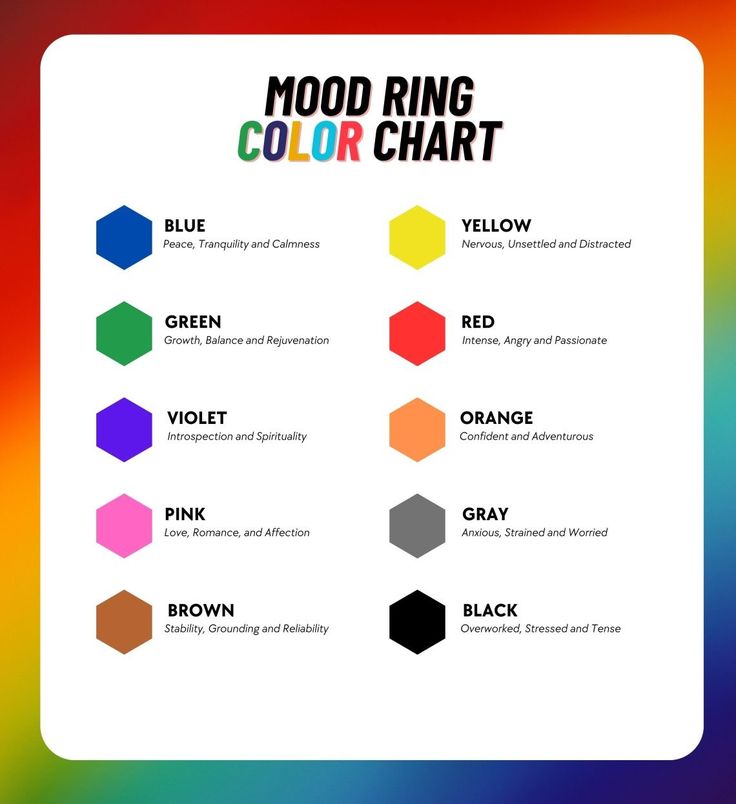
Mood rings have fascinated wearers for decades with their promise of revealing inner emotions through a simple color display. These intriguing pieces of jewelry operate using a unique thermodynamic principle where the liquid crystals within the stone shift colors based on the temperature of the skin they touch. Understanding what do the colors mean on a mood ring involves exploring both the science behind the temperature change and the cultural interpretations that have grown around each hue. The colors serve as a visual language, translating subtle physiological changes into a spectrum of emotional insight.
The Science Behind the Shifting Colors
The magic of a mood ring lies in its liquid crystal core, which is sensitive to minute temperature fluctuations. When you experience stress, your blood flow may redirect away from your extremities, causing the fingers to cool slightly. Conversely, feelings of relaxation and warmth can increase blood flow, heating the skin. As the temperature of the ring changes, the crystals twist, altering the wavelengths of light that are reflected back to your eye. This physical reaction is the direct cause of the color change, making the ring a biofeedback device disguised as a piece of fashion.
Interpreting The Cool Color Range
When the ring displays cooler tones, it generally indicates a lower temperature state, which is often associated with calm or subdued emotional activity. These colors typically range from deep blues and purples to cool greens. This spectrum is commonly interpreted as a sign of tranquility, focus, or a composed mental state. If your ring settles into a deep blue, it suggests you are in a relaxed and balanced mood, free from agitation or heightened anxiety.


Blue and Purple Hues
Deep blue is frequently cited as the color of calm assurance, suggesting a clear mind and relaxed nerves. Lighter blues may indicate a sense of peace and contentment, while violet often points to a creative or philosophical state of thinking. When the ring transitions to these cooler shades, it usually means the wearer is in a stable environment, free from the physiological effects of stress or excitement.
Interpreting The Warm Color Range
As emotional intensity or physical activity increases, body temperature rises, pushing the ring’s color spectrum toward the warmer end. Reds, oranges, and bright pinks dominate this range. These vibrant colors are typically associated with heightened energy, passion, or nervous excitement. If the ring shifts to a warm red, it often signifies an elevated heart rate, whether from physical exertion or strong feelings such as love, anger, or enthusiasm.


Red, Orange, and Pink Tones
A bright red mood ring usually indicates a significant surge in body temperature, pointing to passion, stress, or intense physical activity. Softer oranges may suggest a cheerful and social mindset, while hot pink often points to romantic excitement or high energy. These colors suggest the wearer is engaged and stimulated, experiencing a dynamic shift in their emotional or physical state.
The Ambiguous Center and Transitional States
Not every color shift is a clear emotional signal; sometimes, the ring settles in the middle of the spectrum, displaying muddy browns, greens, or yellows. These ambiguous colors usually represent a period of transition or a state of emotional neutrality. They are not necessarily a sign of negative feelings, but rather a balance between the cool and warm extremes. This state often occurs during moments of uncertainty, deep thought, or when the body is returning to a baseline level of calm.
Factors Influencing Ring Accuracy
It is crucial to remember that a mood ring measures temperature, not emotions directly. External factors can dramatically alter the readings, regardless of how the wearer feels. Cold weather, air conditioning, or touching a cold surface can cause the ring to shift to blue, even if the wearer is excited. Similarly, wearing the ring tightly or on a less vascular finger can impede blood flow, causing the ring to register as cooler. To get the most accurate "mood" reading, the ring should fit loosely and be kept at a consistent body temperature.


A Tool for Self-Awareness, Not Fortune Telling
Viewing a mood ring strictly as a source of factual emotional data is a common misconception. Instead of providing prophetic insight, the true value of the ring lies in its ability to promote mindfulness. By observing the color changes throughout the day, a user can begin to correlate the visual cues with their own physical and mental states. This practice transforms the ring into a useful tool for recognizing stress triggers or identifying moments of genuine relaxation, turning a novelty item into a catalyst for self-discovery.



Related Articles

"What is Counter Depth? A Comprehensive Guide"
Understanding Counter Depth: A Comprehensive Guide In the realm of kitchen design and remodeling, one term that often crops up is 'counter depth'. But what...

"Best Cherry Cabinet Flooring Colors: Expert Matching Guide"
When it comes to pairing flooring with cherry cabinets, you have a wealth of options to create a stunning and cohesive look for your space. Cherry cabinets...

"What is Split King Sheets: A Comprehensive Guide"
Ever found yourself in the middle of the night, tossing and turning, only to be met with a cold, empty space on the other side of the bed? Or perhaps you've...

"What is Greenguard Gold Certified? A Comprehensive Guide"
Understanding Greenguard Gold Certified: A Comprehensive Guide In the quest for healthier, more sustainable living and working spaces, certifications like...

"What is Cabinet Refacing? A Comprehensive Guide"
When you hear the term "refacing cabinets," you might be wondering what exactly it entails. In the world of home renovations, cabinet refacing is a popular and...

"What is a Hybrid Mattress: A Comprehensive Guide"
In the world of mattresses, the term "hybrid" has gained significant traction, but what does it really mean? Hybrid mattresses are a unique blend of...