"What is Integrated LED Lighting?
In the realm of lighting technology, the term "integrated LED light" has gained significant traction, but what exactly does it mean? Let's delve into the world of LED lighting and explore the concept of integration in detail.
Understanding LED Lighting
Before we dive into integrated LED lights, it's crucial to understand the basics of LED (Light Emitting Diode) lighting. LED lights are semiconductor devices that emit light when an electric current passes through them. They are energy-efficient, long-lasting, and versatile, making them a popular choice for various applications, from residential lighting to high-tech industries.
What is Integration in LED Lighting?
Integration in LED lighting refers to the seamless incorporation of LED lights into a system, structure, or design, often in a way that's not immediately apparent or obvious. It's about more than just installing LED bulbs; it's about creating a cohesive, harmonious lighting solution that enhances the overall aesthetic and functionality of a space.


Integration vs. Traditional LED Lighting
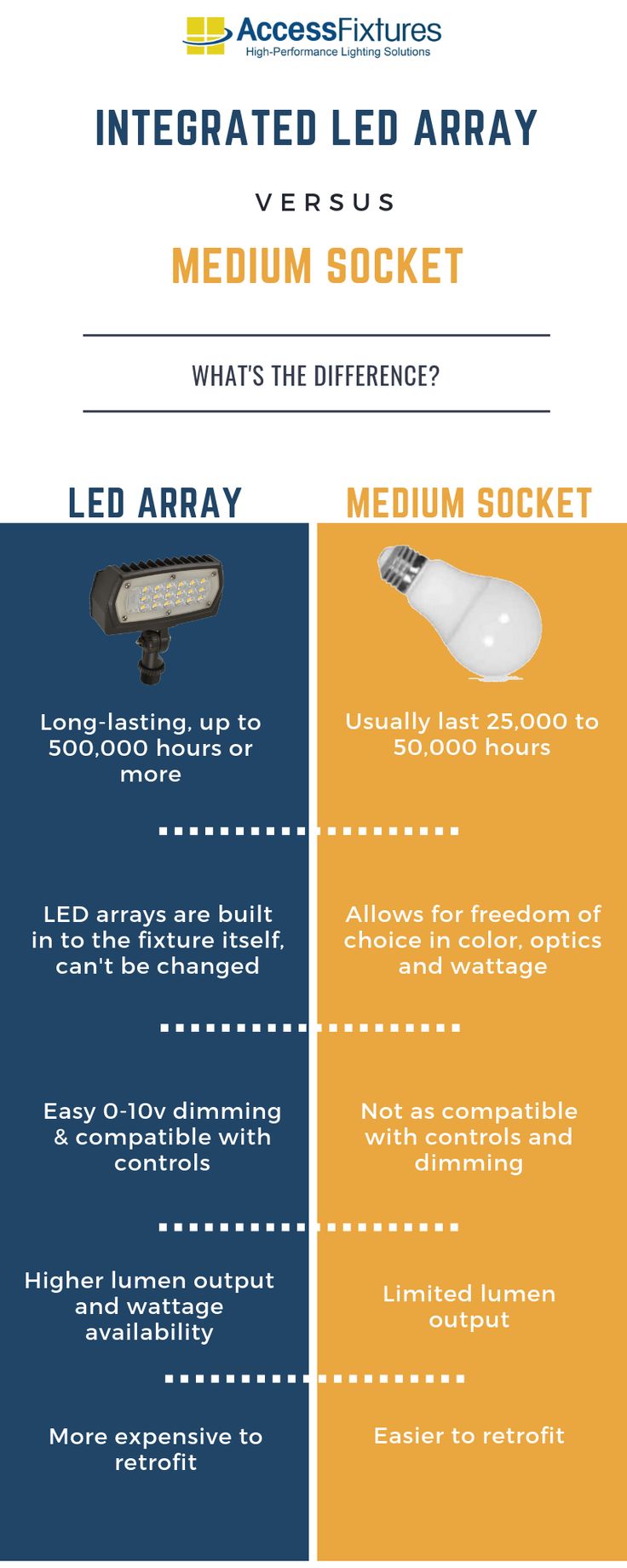
Traditional LED lighting often involves standalone fixtures or bulbs that are easily identifiable. While these can be effective, they may not always blend seamlessly with the environment. Integrated LED lights, on the other hand, are designed to become part of the architecture or design, providing a more subtle, yet powerful lighting effect.
Types of Integrated LED Lights
Integrated LED lights come in various forms, each serving a unique purpose. Here are some of the most common types:


- Linear LED Lighting: These are long, narrow lights that can be integrated into structures like handrails, staircases, or under cabinets. They provide a sleek, modern look while offering excellent task or ambient lighting.
- LED Strip Lights: Flexible and versatile, LED strip lights can be integrated into virtually any surface. They are often used in kitchens, bathrooms, and living spaces to create a warm, inviting atmosphere.
- LED Tape Lighting: Similar to strip lights, LED tape lighting is designed for easy installation and can be used to highlight architectural features, create cove lighting, or provide task lighting in offices and workspaces.
- LED Bulkheads: These are rectangular or square lights that can be integrated into ceilings or walls. They are often used in commercial settings like offices, hotels, and retail spaces.
Benefits of Integrated LED Lights
Integrated LED lights offer a multitude of benefits, including:
| Benefit | Explanation |
|---|---|
| Enhanced Aesthetics | Integrated LED lights can create a sleek, modern look, enhancing the overall aesthetic of a space. |
| Energy Efficiency | LED lights are up to 80% more energy-efficient than traditional incandescent bulbs, making them a cost-effective and eco-friendly choice. |
| Longevity | LED lights have a lifespan of up to 50,000 hours, significantly reducing the need for replacements and maintenance. |
| Versatility | Integrated LED lights can be used in a wide range of applications, from residential to commercial settings, and can be customized to suit various design needs. |
Integrated LED Lights in Action
To truly understand the power of integrated LED lights, let's look at a few examples:
Residential Applications
In residential settings, integrated LED lights can be used to create a warm, inviting atmosphere. Under-cabinet lights in the kitchen, for instance, can provide excellent task lighting while creating a cozy ambiance. In the living room, LED strip lights can be integrated into furniture or shelving to highlight decorative items and create a focal point.



Commercial Applications
In commercial settings, integrated LED lights can enhance the overall aesthetic while providing functional lighting. In offices, LED bulkheads can provide general lighting, while linear LED lights integrated into handrails or under desks can offer task lighting. In retail spaces, LED strip lights can be used to highlight products or create a welcoming environment.
Choosing the Right Integrated LED Light
When selecting integrated LED lights, there are several factors to consider, including the type of light, color temperature, brightness, and energy efficiency. It's also important to consider the design and aesthetics of the space, as well as the specific lighting needs. Working with a professional lighting designer can help ensure that you choose the right integrated LED lights for your needs.
In conclusion, integrated LED lights are more than just a lighting solution; they are a design element that can enhance the aesthetic and functionality of a space. By understanding the concept of integration and the various types of integrated LED lights available, you can create a cohesive, harmonious lighting solution that meets your specific needs.


Related Articles

"What is Counter Depth? A Comprehensive Guide"
Understanding Counter Depth: A Comprehensive Guide In the realm of kitchen design and remodeling, one term that often crops up is 'counter depth'. But what...

"Elevate Your Space: Stunning Decorative Ceiling Fans with Integrated Lighting"
Elevate Your Space: The Charm of Decorative Ceiling Fans with Light In the quest for both functionality and aesthetics, decorative ceiling fans with light have...

"Brighten Up: Exhaust Fan with Integrated Lighting"
In the quest for a well-ventilated and well-lit living space, consider the practical and stylish solution of an exhaust fan with light. These versatile...

"Brighten Up: Top Wooden Ceiling Fans with Integrated Lighting"
Elevate Your Space: The Charm of Wood Ceiling Fans with Light In the pursuit of creating a harmonious and inviting atmosphere, homeowners often overlook the...

"What is Split King Sheets: A Comprehensive Guide"
Ever found yourself in the middle of the night, tossing and turning, only to be met with a cold, empty space on the other side of the bed? Or perhaps you've...

"Dazzling Drum-Style Ceiling Fans with Integrated Lighting: Illuminate & Cool Your Space"
Elevate Your Space with a Drum Style Ceiling Fan with Light In the quest for the perfect blend of form and function, a drum style ceiling fan with light stands...