"Unveiling Contemporary Homes: Modern Design & Comfort Defined"
In the dynamic world of architecture and design, the term "contemporary home" is often used to describe residences that are innovative, stylish, and reflective of the current era. But what exactly constitutes a contemporary home? Let's delve into the key aspects that define these unique living spaces.
Understanding Contemporary Homes
Contemporary homes are not bound by a specific style or period. Instead, they are characterized by their embrace of modern design trends, innovative materials, and cutting-edge technology. They often blend elements from various architectural styles, creating a unique, personalized aesthetic that stands out from traditional or classic homes.
Key Features of Contemporary Homes
Open Floor Plans
Contemporary homes often prioritize open, fluid spaces that encourage interaction and flow. Dining, living, and kitchen areas are typically combined into one large, multifunctional space. This layout promotes a sense of togetherness and makes the home feel more spacious.
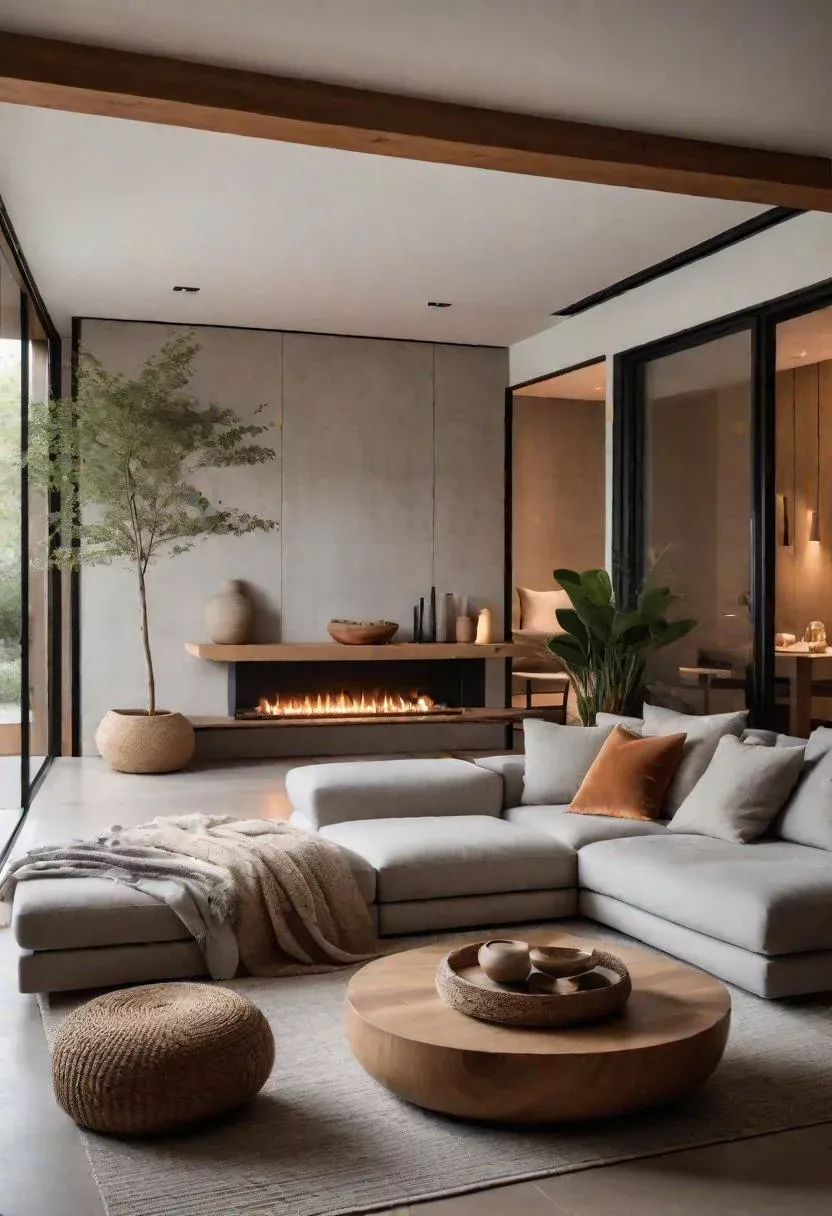


Minimalist Design Aesthetic
Minimalism is a key aspect of contemporary home design. These homes often feature clean lines, neutral color palettes, and a focus on functionality over ornamentation. The aim is to create a clutter-free, calming environment that allows the architecture and design elements to take center stage.
Use of Natural Light
Contemporary homes often incorporate large windows, skylights, and light wells to maximize natural light. This not only creates a bright, inviting atmosphere but also helps to reduce energy consumption. Additionally, the use of light-colored materials and reflective surfaces further enhances the brightness and airiness of these spaces.


Innovative Materials and Technology
Contemporary homes embrace the latest in building materials and technology. This can include sustainable materials like recycled glass countertops or reclaimed wood flooring, smart home systems for automated control of lighting, heating, and security, and energy-efficient appliances and fixtures.
Types of Contemporary Homes
Contemporary homes can take many forms, from sleek, urban apartments to sprawling, modern farmhouses. Some common types include:
- Modern Farmhouse: A blend of traditional farmhouse elements with modern design features, such as clean lines, open floor plans, and contemporary fixtures.
- Mid-Century Modern: Inspired by the design movement of the mid-20th century, these homes feature a focus on functionality, minimal ornamentation, and a strong connection to the outdoors.
- Industrial Loft: Characterized by high ceilings, exposed brick or ductwork, and large windows, these urban dwellings offer a raw, industrial aesthetic.
Designing a Contemporary Home
When designing a contemporary home, it's essential to consider the unique needs and preferences of the homeowners. A well-designed contemporary home should be both functional and reflective of the homeowners' personalities. Working with a professional architect or designer can help ensure that the final product is a true reflection of the homeowners' vision.


Moreover, sustainability is a key consideration in contemporary home design. Many contemporary homes incorporate green building practices, such as energy-efficient design, the use of sustainable materials, and the integration of renewable energy sources.
Conclusion
Contemporary homes are more than just a collection of stylish design elements; they are a reflection of our modern way of life. They offer a unique blend of functionality, innovation, and personal expression, creating living spaces that are not only beautiful but also highly livable. Whether you're a homeowner looking to update your space or an architect designing a new home, understanding the key features of contemporary homes can help you create a space that is truly reflective of the present day.


Related Articles

"Ashley Tambo-Canyon's Signature 2-Piece Sectional: Modern Comfort at Its Finest"
Elevate Your Space with Ashley Tambo-Canyon's Signature 2-Piece Sectional In the realm of modern furniture, few pieces command attention like the Ashley...

"Mid-Century Modern Bentwood Chair: Timeless Design, Vintage Comfort"
Mid Century Modern Bentwood Chair: A Timeless Icon of Design The mid-century modern bentwood chair, a staple of the mid-20th century design movement, continues...

"Trending Contemporary Living Room Ideas for 2021: Modern Design Inspiration"
Revolutionize Your Space: Contemporary Living Room Ideas for 2021 Embracing a contemporary aesthetic in your living room not only creates a stylish sanctuary...

"Los Angeles' Top Modern Furniture Stores: Your Guide to Contemporary Design"
Discovering Modern Furniture Stores in Los Angeles Los Angeles, a city renowned for its vibrant culture and innovative design, is home to a plethora of modern...

"Modern Furniture San Francisco: Contemporary Designs for Your Home"
Modern Furniture in San Francisco: A Guide to Sleek Living San Francisco, a city renowned for its blend of Victorian charm and tech-driven innovation, also...

"Elevate Your Space: Modern White Dining Chairs for Contemporary Homes"
Revolutionizing Your Dining Space: The Modern White Dining Chair The modern white dining chair has emerged as a staple in contemporary home decor, offering a...