"Mastering Kitchen Zero: A Comprehensive Guide"
Kitchen Zero is...
The term "Kitchen Zero" has gained significant attention in recent years, especially among health-conscious individuals and eco-warriors. As a concept, Kitchen Zero embodies the ideal of a kitchen that produces absolutely minimal environmental impact while maintaining a balanced and healthy diet. In this article, we will delve into the world of Kitchen Zero, exploring its principles, benefits, and practical tips for achieving a Zero Kitchen.
Principles of Kitchen Zero
Kitchen Zero is built on several key principles that cater to both human and environmental well-being.


It emphasizes minimizing food waste, conserving resources, and promoting healthy eating habits.
- Minimizing food waste
- Conserving fresh water
- Reducing energy consumption
- Choosing sustainable ingredients
- Encouraging plant-based eating
Benefits of a Kitchen Zero
The main benefits of embracing a Kitchen Zero lifestyle are multi-fold.


These include reduced carbon footprint, decreased energy bills, less food waste, lower grocery costs, and improved health and well-being.
Some people may question the feasibility of implementing such practices in their daily lives.
| Benefits | Detail |
|---|---|
| Lower carbon footprint | Reduced reliance on industrially produced, resource-intensive food |
| Lower energy bills | Using gas-free cooking methods and turning off appliances when not in use |
| Reduced food waste | Creative meal planning to avoid surplus produce and leftovers |
| Lower grocery costs | Buying in bulk, opting for seasonal produce, and repurposing leftovers |
| Improved health | Access to nutritious, organic, and locally sourced food |
Steps to Achieve a Kitchen Zero
Transitioning to a fully sustainable and eco-conscious kitchen doesn't have to feel overwhelming.


Below are some practical steps you can take towards achieving a Kitchen Zero.
- Assess your current kitchen's waste production and energy consumption.
- Make smart grocery choices by opting for seasonal produce, local, and organic products.
- Plan meals in advance using meal templates or a subscription service to prevent food waste.
- Reduce your reliance on single-use plastics and switch to reusable bags and containers.
- Reduce energy consumption by using energy-efficient appliances, cooking in bulk, and adjusting temperature settings.
Common Kitchen Zero Mistakes to Avoid
While embracing a Kitchen Zero lifestyle is rewarding, it's not immune to setbacks.
Common mistakes to avoid when starting to live zero-waste include overhauling your kitchen all at once.


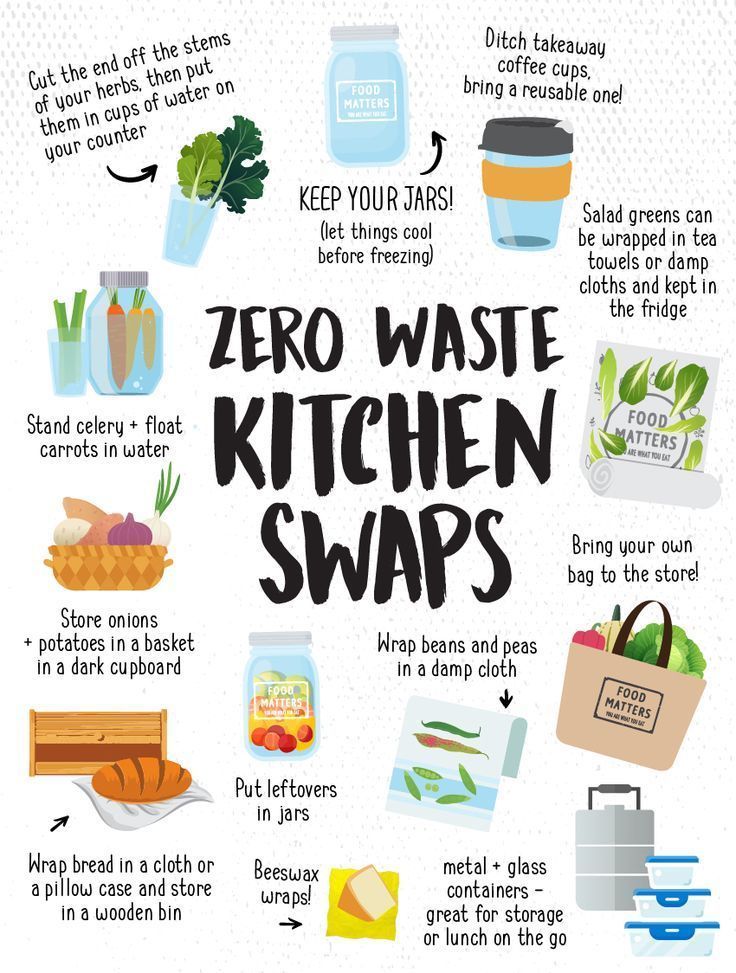


Another mistake is buying specialty appliances or gadgets, expecting them to magically elders to zero waste.
Sinking money into cookbooks is also not ideal as these can accumulate waste in an unlikely way
- Changing everything at once leads to exhaustion and physical, mental, and financial strain.
- Buying low-quality kitchen gadgets and cookbooks leads to unnecessary waste and frustration.
- Unrealistic expectations and assumptions about complete transformation.
Connecting with the Kitchen Zero Movement</hassistant
Related Articles

"Mastering Measurements: A Step-by-Step Guide to Measuring for Your Kitchen Sink"
Measuring for a Kitchen Sink: A Comprehensive Guide Installing a new kitchen sink is an exciting project that can dramatically transform the look and...

"Mastering Hue: A Comprehensive Guide to Choosing the Perfect Ceiling Fan Color"
Choosing the Perfect Ceiling Fan Color: A Comprehensive Guide Selecting the right ceiling fan color can significantly enhance your room's aesthetics and...

"Unveiling the Best Cleaners for Quartz Countertops: A Comprehensive Guide"
Best Cleaners for Quartz Countertops: A Comprehensive Guide Quartz countertops are a popular choice for their durability, low maintenance, and sleek...

"How Much to Charge for Painting Kitchen Cabinets: A Comprehensive Guide"
How Much Should You Charge to Paint Kitchen Cabinets? Painting kitchen cabinets can transform your space, giving it a fresh, updated look. If you're a...

"100+ Inspiring Ideas for Your Kitchen Backsplash: A Comprehensive Guide"
Transform Your Kitchen: Inspiring Backsplash Ideas The kitchen backsplash, often the unsung hero of kitchen design, plays a pivotal role in setting the tone...

"Mastering Your Kitchen: Step-by-Step Guide to Installing Cabinets"
Installing Kitchen Cabinets: A Step-by-Step Guide Embarking on a kitchen cabinet installation project can transform your space into a functional and stylish...