"What is Warm White Light Bulb: A Comprehensive Guide"
Warm White Light Bulb is a flexible and versatile lighting option that has become increasingly popular in recent years due to its numerous benefits and ease of use. Today, various types of lighting bulbs are available in the market, making it challenging for consumers to choose the right one for their needs. However, with the warm white light bulb, you can be confident that you're making an informed decision. This article will delve into the world of warm white light bulbs, their characteristics, and what makes them unique.
History and Development of Warm White Light Bulbs
Early Evolution
The history of warm white light bulbs dates back to the early days of lighting technology. The first incandescent light bulbs, invented by Thomas Edison in 1879, produced a dim, yellowish light. However, they paved the way for the development of more efficient and brighter lighting solutions. Over the years, light bulb manufacturers experimented with various gas-filled bulbs and filament compositions, leading to the creation of the modern warm white light bulb.The first commercially available incandescent bulb, released in the 1900s, had a warm glow and was powered by a carbon filament. However, it was not until the development of fluorescent lighting in the 1930s that the modern warm white light bulb began to take shape.
Characteristics of Warm White Light Bulbs
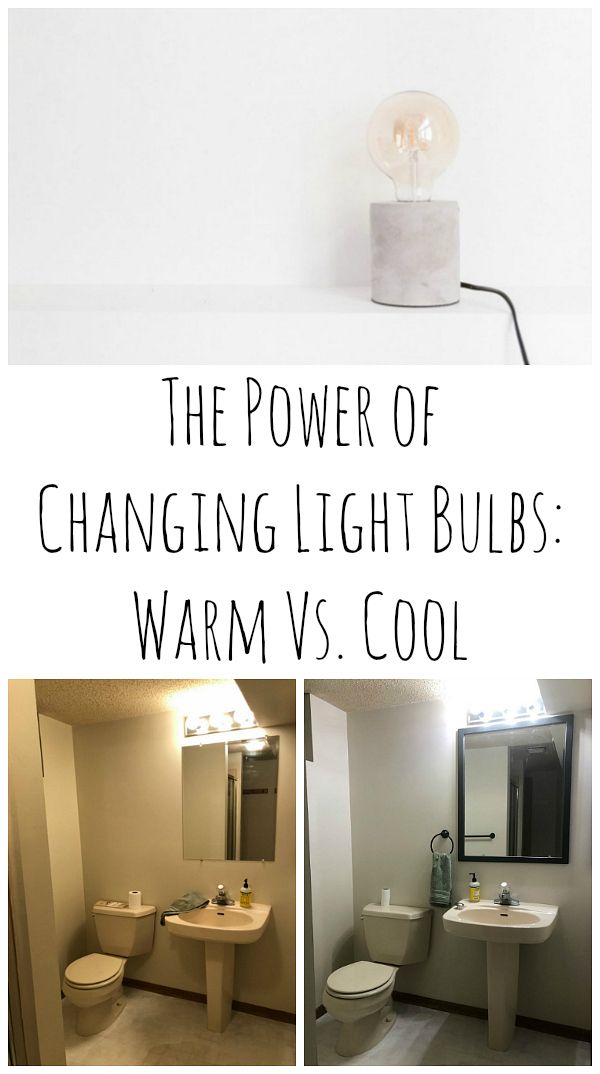
Warm white light bulbs are known for their unique characteristics, which set them apart from other types of lighting.- Color Temperature: The color temperature of a light bulb is typically measured in Kelvin (K). Warm white light bulbs have a color temperature ranging from 2700K to 3000K, producing a soft, yellowish hue that is reminiscent of a cozy fire or candlelight.
- Soft and Soothing Effect: The warm tone of these bulbs creates a calming atmosphere in living spaces, perfect for relaxation and unwinding.
- Dimmability: Most warm white light bulbs are dimmable, allowing you to adjust the brightness to suit your needs.
- Energy Efficiency: Modern warm white light bulbs often use energy-efficient technologies like LEDs, which consume significantly less power compared to traditional incandescent bulbs.
- Long lifespan: LED warm white light bulbs tend to have a longer lifespan, lasting up to 25,000 hours or more.
- Environmental Benefits: Some warm white light bulbs, such as those powered by LEDs, contain no toxic materials like mercury and are more environmentally friendly.
Differences Between Warm White and Other Light Bulbs</hassistant




Related Articles

"Unveiling the Best Cleaners for Quartz Countertops: A Comprehensive Guide"
Best Cleaners for Quartz Countertops: A Comprehensive Guide Quartz countertops are a popular choice for their durability, low maintenance, and sleek...

"Unveiling the Truth: 'Drug Rug White' - A Comprehensive Guide"
Understanding "Drug Rug White": A Comprehensive Analysis In the realm of drug testing and forensic science, the term "drug rug white" is a familiar one. It...

"What is Counter Depth? A Comprehensive Guide"
Understanding Counter Depth: A Comprehensive Guide In the realm of kitchen design and remodeling, one term that often crops up is 'counter depth'. But what...

"Top Grout Colors for White Subway Tiles: A Comprehensive Guide"
Choosing the Best Grout Color for White Subway Tiles When it comes to tile design, the grout color often plays a more significant role than many homeowners...

"What Are Standard Rug Sizes: A Comprehensive Guide"
Understanding Standard Rug Sizes: A Comprehensive Guide When it comes to selecting the perfect rug for your space, size is a crucial factor that often goes...

"Discover the Best Carpet for Bedrooms: A Comprehensive Guide"
Choosing the Best Carpet for Your Bedroom: A Comprehensive Guide When it comes to selecting the perfect carpet for your bedroom, there are several factors to...