Brown Spot on Dog Eye Sclera: Causes, Symptoms & Treatment
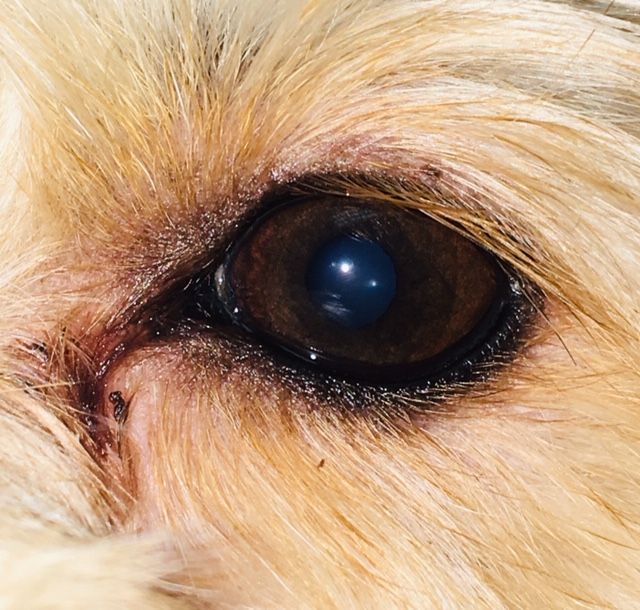
Discovering a brown spot on dog's sclera can immediately set off alarm bells for any concerned pet owner. The sclera, the white part of the eye, is typically a clean, bright surface that provides a clear backdrop for the iris and pupil. When a discoloration appears, it is natural to wonder if it is a serious medical issue or simply a harmless mark. Understanding the potential causes, from benign pigmentation to more serious conditions, is the first step in ensuring your dog's continued ocular health.
Understanding the Canine Sclera
The sclera is a tough, fibrous outer layer that forms the white of the eye and provides structural protection for the more delicate internal components. In dogs, the sclera is usually a pale white or off-white color, allowing blood vessels to be visible near the cornea. Variations in color or the appearance of spots are often the first visible indicators of underlying inflammation, trauma, or genetic factors. A brown spot specifically suggests a concentration of pigment or blood that has settled in the tissue.
Benign Pigmentation and Melanosis
One of the most common reasons for a brown spot on the sclera is simply benign melanosis. Just like humans can have freckles or birthmarks, dogs can have areas of concentrated melanin in their eyes. This type of pigmentation is generally flat, smooth, and stable over time. It is most frequently seen in certain breeds with darker coats and skin, such as Sphynx cats (note: contextually relevant for pet owners with multiple species) and some dog breeds, where it is considered a normal variant rather than a disease. While it is usually harmless, any new or changing spot should still be evaluated by a veterinarian to rule out other issues.


Potential Medical Causes
If the brown spot is not congenital, it could be a sign of an active medical condition. One possibility is a uveal cyst, which involves a fluid-filled sac originating from the iris or ciliary body. These cysts can appear as brownish or grey bumps on the surface of the eye and may move around slightly. Another cause could be anterior uveitis, an inflammation of the middle layer of the eye. This condition can cause the breakdown of blood cells, leading to a brownish discoloration known as "uveitis staining," which can permanently tint the sclera if not treated promptly.
- Trauma: A blow to the eye can cause bleeding underneath the sclera, resulting in a dark red or brown patch that resembles a bruise.
- Corneal Ulcers: Severe ulcers can sometimes cause pigments from the iris to migrate onto the white of the eye.
- Glaucoma: Chronic pressure changes in the eye can lead to new blood vessel growth and subsequent pigment dispersion.
When to Consult a Veterinary Ophthalmologist
Monitoring the spot at home is important, but specific changes warrant an immediate visit to a professional. You should schedule an appointment if the spot appears suddenly, grows in size, or changes shape. Furthermore, if your dog exhibits symptoms such as squinting, excessive tearing, redness in the surrounding eye, or sensitivity to light, the brown spot is likely symptomatic of an urgent issue. A general practitioner can diagnose the problem, but a board-certified veterinary ophthalmologist will have the specialized equipment needed to examine the deeper structures of the eye accurately.


Diagnosis typically involves a thorough physical exam, measurement of intraocular pressure, and the use of specialized dyes like fluorescein to check for scratches or ulcers. In some cases, the veterinarian may recommend a tonometry test or even a biopsy of the area if melanoma is a concern. The specific treatment plan will vary entirely based on the underlying cause, ranging from simple observation and monitoring to surgical intervention or long-term medical management.
Proactive Eye Health for Your Dog
Preventing serious eye issues starts with routine care and observation. Incorporating a quick eye check into your daily grooming routine allows you to familiarize yourself with the normal appearance of your dog's eyes. Look for clarity in the cornea and uniformity in the sclera. Keeping the fur around the eyes trimmed can prevent irritation and reduce the risk of debris scratching the surface and causing secondary infections. Regular vet check-ups are essential for catching systemic diseases, like hypertension or diabetes, which can manifest as ocular symptoms before other signs become apparent.
Ultimately, a brown spot on the sclera is a sign that should never be ignored. While it is often harmless, the potential for it to indicate a painful or vision-threatening condition means that professional evaluation is non-negotiable. By staying vigilant and responding quickly to changes in your dog's eye appearance, you are taking a vital step in preserving their vision and overall quality of life for years to come.




Related Articles

Lump Near Dog's Penis: Causes, Symptoms, and Treatment Guide
Finding a lump near your dog's penis is a scenario that can immediately trigger concern for any dedicated pet owner. This specific location is anatomically...

Lump on Dog's Jaw Golf Ball Size: Causes, Symptoms & Treatment
Discovering a lump on dog jaw golf ball size is a scenario no pet parent wants to face. This sudden and alarming change in your companion’s physical appearance...

Dark Spot on White of Dog Eye: Causes and Treatment
Discovering a dark spot on the white of a dog's eye can be an alarming experience for any pet owner. This distinct change in the eye's appearance often signals...

Black Blood Clot in Dog's Mouth: Causes, Symptoms & Treatment
Discovering a black blood clot in dogs mouth can be a startling experience for any pet owner. This specific symptom often indicates the presence of old blood...
White Line in Dog's Eye: Causes, Symptoms & Treatment Guide
Observing a white line in dog's eye can be a startling experience for any pet owner. This specific visual symptom often indicates an issue with the delicate...

"Unveiling Drain Fly Larvae Myiasis: Causes, Symptoms & Treatment"
Drain fly larvae myiasis is a distressing and often misunderstood condition that affects individuals worldwide. These little-known parasites can infest human...