Dark Spot on White of Dog Eye: Causes and Treatment
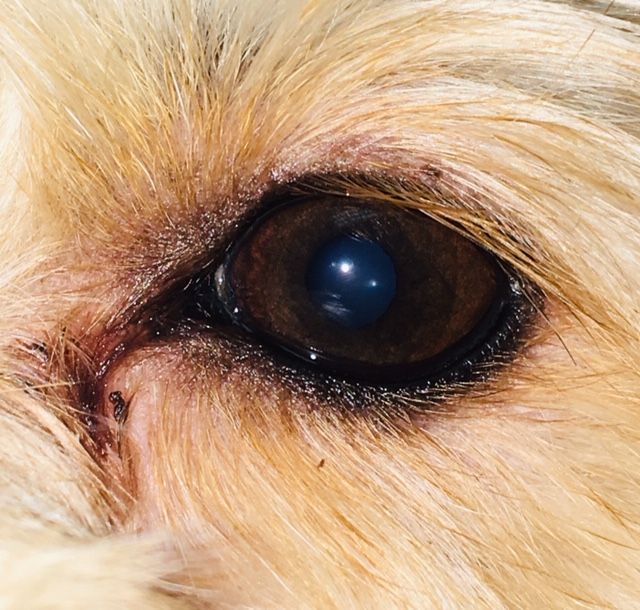
Discovering a dark spot on the white of a dog's eye can be an alarming experience for any pet owner. This distinct change in the eye's appearance often signals an underlying condition that warrants immediate attention. While the spot might resemble a simple discoloration, it is usually a sign of something more complex happening within the eye's internal structures. Understanding the potential causes, from benign pigmentation to serious diseases, is the first step in ensuring your canine companion receives the proper care.
Common Causes of Ocular Dark Spots
The appearance of a dark spot on the sclera, or the white part of the eye, is often related to issues originating beneath the surface. These spots are frequently blood vessels that have become engorged or burst, or they can be masses growing on or behind the eye. Identifying the specific cause requires a thorough examination by a veterinary professional, as the implications for your dog's vision can vary significantly.
Sub-Conjunctival Hemorrhage
A sub-conjunctival hemorrhage occurs when a small blood vessel breaks just underneath the clear conjunctiva that covers the white of the eye. This results in a bright red or dark reddish patch that can look quite dramatic. Unlike other conditions, this is usually painless and does not affect your dog's vision. It often resolves on its own within a couple of weeks, similar to a bruise on human skin, though veterinary confirmation is always recommended.


Uveal Melanoma
One of the most serious possibilities when a dark spot is present is uveal melanoma, a malignant tumor that develops in the uvea—the middle layer of the eye. These tumors can appear as dark, flat or slightly raised lesions on the sclera or iris. While relatively rare in dogs compared to humans, they require aggressive treatment, which may include radiation or surgical removal of the eye, to prevent metastasis and preserve your pet's comfort.
Symptoms to Watch For
Beyond the visible dark spot, other symptoms can provide crucial context about the severity of the issue. Paying close attention to these signs can help you communicate effectively with your veterinarian and determine the urgency of the situation.


- Changes in Eye Appearance: Look for cloudiness, redness, swelling, or a change in the size or shape of the pupil.
- Behavioral Shifts: Does your dog seem sensitive to light, squint frequently, or rub their face on the floor? These actions indicate discomfort or pain.
- Vision Impairment: Notice if your dog is bumping into furniture, struggling to find toys, or showing hesitation on stairs.
The Veterinary Diagnostic Process
When you visit the vet, they will perform a comprehensive ophthalmic exam to determine the nature of the dark spot. This goes beyond a simple visual check and involves specialized equipment to evaluate the internal structures of the eye. A precise diagnosis is vital for creating an effective treatment plan.
| Diagnostic Test | Purpose |
|---|---|
| Fluorescein Stain | Checks for scratches or ulcers on the surface of the cornea. |
| Intraocular Pressure Test | Measures pressure inside the eye to rule out glaucoma. |
| Ocular Ultrasound | Provides an image of the eye's internal structures if the view is obstructed. |
| Blood Tests | Helps identify systemic diseases that might be affecting the eye. |
Treatment Options and Management
The treatment pathway depends entirely on the underlying cause of the discoloration. For minor issues like a hemorrhage, the focus is on monitoring and preventing further trauma. In contrast, malignant tumors or severe infections require aggressive medical intervention. Your veterinarian will tailor a strategy specific to your dog's diagnosis.
If the spot is benign and non-progressive, your vet might simply recommend routine monitoring during regular check-ups. However, if an infection is present, a course of antibiotics or anti-inflammatory medication will likely be prescribed. Surgical intervention is often the best course of action for growths or cataracts, aiming to remove the threat and preserve as much vision as possible.




Proactive Eye Health for Dogs
Preventing severe eye issues involves a combination of regular at-home checks and professional veterinary care. By familiarizing yourself with what is normal for your dog's eyes, you can spot anomalies early. Incorporating eye checks into your grooming routine allows you to catch potential problems before they escalate into serious health concerns.
Scheduling annual wellness exams is crucial, especially for breeds predisposed to eye conditions, such as Cocker Spaniels, Poodles, and Shih Tzus. A veterinarian can identify early warning signs that might be invisible to the naked eye, ensuring your dog maintains optimal eye health and vision throughout their life.


Related Articles

White and Chalky Dog Poop: Causes, Treatment, and What It Means
Finding white, chalky stool in your dog's aftermath can be a startling experience. This distinct change in consistency and color often signals a shift in the...

Brown Spot on Dog Eye Sclera: Causes, Symptoms & Treatment
Discovering a brown spot on dog's sclera can immediately set off alarm bells for any concerned pet owner. The sclera, the white part of the eye, is typically a...
White Line in Dog's Eye: Causes, Symptoms & Treatment Guide
Observing a white line in dog's eye can be a startling experience for any pet owner. This specific visual symptom often indicates an issue with the delicate...

Lump Near Dog's Penis: Causes, Symptoms, and Treatment Guide
Finding a lump near your dog's penis is a scenario that can immediately trigger concern for any dedicated pet owner. This specific location is anatomically...

Fluid Leaking From Dog's Leg: Causes, Treatment & Vet Tips
Finding a fluid leaking from dog's leg is a scenario that can immediately trigger concern for any owner. The liquid might be clear and slick, thick and...

Pimples on Female Dog's Private Parts: Causes & Treatment
Discovering a pimple on your female dog's private area can be an unsettling experience for any owner. It is natural to feel a moment of panic, wondering if...