"Revive Your Kitchen: Expert Guide to Fixing Water-Damaged Under-Sink Cabinets"
Dealing with Water Damage Under Your Kitchen Sink Cabinet
Discovering water damage under your kitchen sink cabinet can be a frustrating and stressful experience. However, prompt action and understanding the root cause can help mitigate the damage and prevent further issues. This guide will walk you through the steps to identify, address, and prevent cabinet under sink water damage.
Understanding the Causes of Water Damage Under Sink Cabinets
Before diving into the solutions, it's crucial to understand what might have caused the water damage. Some common culprits include:
- Leaky pipes: Corrosion, wear and tear, or improper installation can cause pipes to leak, leading to water damage.
- Faulty sink or faucet: Cracks or improper installation of the sink or faucet can result in water leakage.
- Clogged or overflowing p-trap: The p-trap is the curved section of pipe under your sink. If it's clogged or overflows, water can leak and cause damage.
- Water supply line issues: Worn-out, damaged, or improperly installed water supply lines can also lead to leaks.
Identifying the Extent of Water Damage
Once you've located the source of the leak, it's essential to assess the extent of the water damage. Check for:


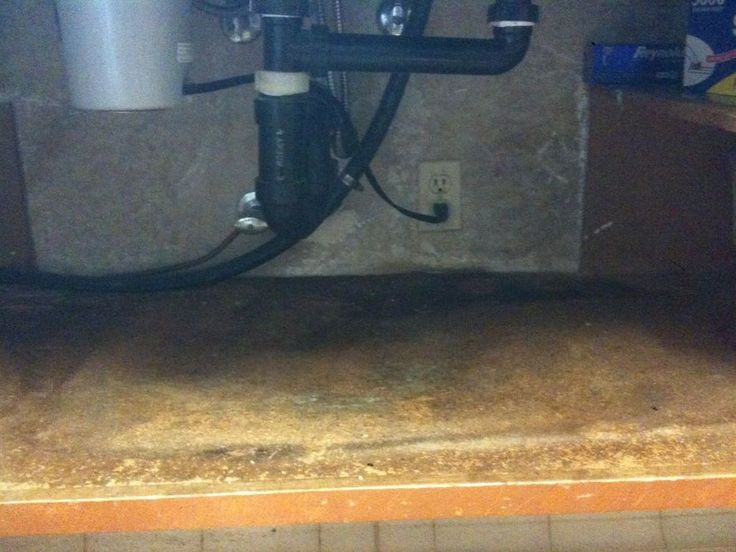
- Visible water stains or warping on the cabinet doors and base.
- Mold or mildew growth, which can cause a musty smell and health issues.
- Damaged or warped cabinet hardware, like hinges and drawer slides.
Addressing Water Damage Under Sink Cabinets
Safety First
Before attempting any repairs, ensure the water supply to the sink is turned off at the main valve. Unplug the garbage disposal and any other electrical appliances under the sink to prevent electrical shock.
Repair the Leak
Depending on the cause of the leak, you might be able to repair it yourself. For instance, tightening a loose connection or replacing a worn-out washer can often fix the issue. However, if the problem is more severe, like a burst pipe, it's best to call a professional plumber.


Dry Out the Area
Use fans and dehumidifiers to dry out the cabinet and surrounding area. Open cabinet doors and drawers to promote air circulation. If mold is present, use a solution of water and detergent to clean the affected area, then apply a mold inhibitor.
Inspect and Replace Damaged Cabinets
Inspect your cabinets for signs of damage. If the damage is extensive, you might need to replace the entire cabinet or just the affected parts. Ensure any new cabinets are made from water-resistant materials to better withstand future leaks.
Preventing Future Water Damage Under Sink Cabinets
Regular maintenance can help prevent water damage under your sink cabinets. Here are some tips:


- Inspect pipes, connections, and supply lines regularly for signs of wear or leaks.
- Keep cabinet doors and drawers open when not in use to promote air circulation and prevent mold growth.
- Install a water alarm or leak detection system to alert you to leaks as soon as they start.
- Consider installing a flood-proof cabinet or one with a waterproof base to better protect your cabinets from leaks.
Dealing with water damage under your sink cabinet can be a challenge, but with prompt action and proper maintenance, you can minimize the damage and prevent future issues. If the damage is extensive or you're unsure about any aspect of the repair process, don't hesitate to call a professional plumber or cabinet repair specialist.


Related Articles
"Revive Your Kitchen: Expert Guide to Fixing Water-Damaged Under-Sink Cabinets"
Dealing with Water Damaged Cabinets Under the Sink: A Comprehensive Guide Discovering water damage under your sink can be a frustrating experience, but it's...

"Revive Your Kitchen: Expert Guide to Repairing Water-Damaged Cabinets"
Restoring Your Kitchen: A Step-by-Step Guide to Repairing Water-Damaged Cabinets Water damage can wreak havoc on your kitchen cabinets, leaving them warped...

"Revive Your Kitchen: Expert Guide on Fixing Peeling Cabinets"
Revitalizing Your Space: A Comprehensive Guide to Fixing Peeling Cabinets Peeling cabinets can dampen the aesthetic appeal of your space, but fear not! This...
"Revive Your Space: Expert Guide to Water Damaged Cabinet Repair"
Water damaged cabinets can be a homeowner's nightmare, leading to costly repairs and potential health hazards. If you've discovered water damage in your...

"Revive Your Cabinet: Expert Guide to Repair Water Damaged Bottoms"
Reviving Your Cabinet: A Step-by-Step Guide to Repairing Water Damaged Cabinet Bottoms Water damage can wreak havoc on your cabinet bottoms, causing warping...

"Revive Your Cabinets: Expert Guide to Fixing Chipping Paint"
Understanding and Addressing Cabinet Paint Chipping Cabinet paint chipping is a common issue that homeowners often face, especially in high-traffic areas like...