"Revive Your Space: Expert Guide to Water Damaged Cabinet Repair"
Water damaged cabinets can be a homeowner's nightmare, leading to costly repairs and potential health hazards. If you've discovered water damage in your cabinets, it's crucial to address the issue promptly to prevent further damage and ensure the safety of your home. This comprehensive guide will walk you through the causes, effects, and steps to repair and prevent water damaged cabinets.
Understanding Water Damage in Cabinets
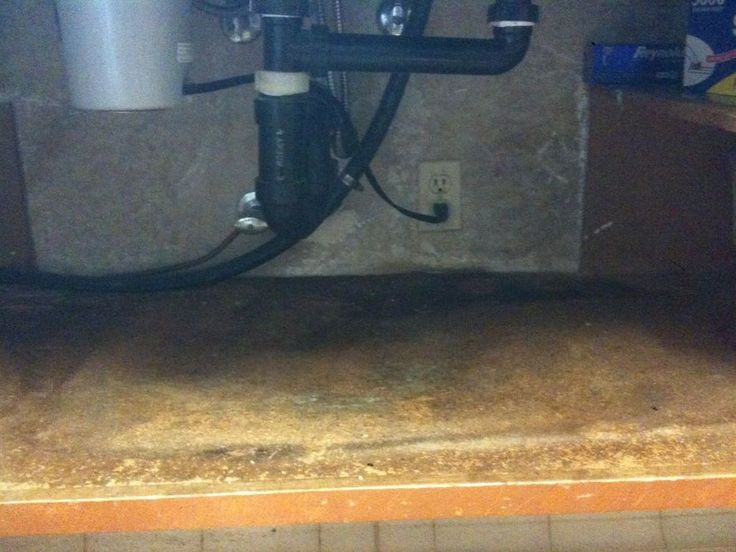
Water damaged cabinets can occur due to various reasons, including leaky pipes, roof leaks, or even overflowing sinks. The extent of the damage depends on the duration of exposure to water and the type of cabinet material. Here are some common signs of water damaged cabinets:
- Warping or swelling of cabinet doors and drawers
- Discoloration or staining on the cabinet surface
- Musty odor or visible mold growth
- Soft or spongy feel to the cabinet material
- Water stains or puddles on the floor beneath the cabinet
Effects of Water Damage on Cabinets
Water damaged cabinets can lead to several problems if left untreated. Some of the most common effects include:


- Structural damage: Prolonged exposure to water can cause cabinets to warp, swell, or even collapse.
- Mold and mildew growth: Moisture provides an ideal environment for mold and mildew to grow, which can lead to health issues and further damage to your home.
- Electrical hazards: Water damaged cabinets may have exposed electrical components, posing a risk of shock or fire.
- Reduced cabinet lifespan: Even if cabinets appear to dry out, they may still be weakened, leading to a shorter lifespan and the need for early replacement.
Assessing the Damage
Before attempting any repairs, it's essential to assess the extent of the water damage. Follow these steps to evaluate the damage:
- Turn off the water supply to the affected area to prevent further damage.
- Inspect the cabinets for visible signs of damage, as listed above.
- Check for any musty odors or visible mold growth.
- Inspect the cabinet's structural integrity, looking for warping, swelling, or soft spots.
- Check for any water stains or puddles on the floor beneath the cabinet.
Repairing Water Damaged Cabinets
The repair process for water damaged cabinets depends on the severity of the damage and the type of cabinet material. Here's a general guide to help you repair your cabinets:


Minor Damage
If the cabinets have only minor water damage, such as slight discoloration or warping, you may be able to repair them yourself. Follow these steps:
- Remove any affected cabinet doors or drawers to allow for better air circulation and drying.
- Use a dehumidifier or fans to dry out the cabinets completely. This may take several days to a week.
- Sand down any rough or warped areas, and apply a wood filler if necessary.
- Lightly sand the repaired areas and apply a new coat of paint or stain to match the existing finish.
Major Damage
If the cabinets have significant water damage, such as extensive warping, mold growth, or structural damage, it's best to consult a professional cabinet repair service. In some cases, it may be more cost-effective to replace the damaged cabinets entirely.
Preventing Future Water Damage
Preventing water damage to your cabinets involves regular maintenance and prompt attention to any potential issues. Here are some tips to help prevent water damaged cabinets:


- Inspect your plumbing regularly for any leaks or signs of wear.
- Keep your gutters clean and in good repair to prevent roof leaks.
- Install water sensors in areas prone to water damage, such as under sinks or near water heaters.
- Use a dehumidifier in damp areas to prevent mold and mildew growth.
- Promptly address any water stains or puddles, as they may indicate a hidden leak.
Water damaged cabinets can cause significant problems if left untreated. By understanding the causes, effects, and repair process, you can address water damaged cabinets promptly and effectively. Regular maintenance and preventative measures can help ensure the longevity and safety of your cabinets. If you're unsure about any aspect of the repair process, don't hesitate to consult a professional cabinet repair service for expert guidance.




Related Articles
"Revive Your Cabinet: Expert Guide to Repair Water Damaged Bottoms"
Reviving Your Cabinet: A Step-by-Step Guide to Repairing Water Damaged Cabinet Bottoms Water damage can wreak havoc on your cabinet bottoms, causing warping...
"Revive Your Kitchen: Expert Guide to Fixing Water-Damaged Under-Sink Cabinets"
Dealing with Water Damaged Cabinets Under the Sink: A Comprehensive Guide Discovering water damage under your sink can be a frustrating experience, but it's...
"Revive Your Kitchen: Expert Guide to Fixing Water-Damaged Under-Sink Cabinets"
Dealing with Water Damage Under Your Kitchen Sink Cabinet Discovering water damage under your kitchen sink cabinet can be a frustrating and stressful...

"Revive Your Space: Expert Home Depot Cabinet Repair Tips & Services"
Revitalize Your Space: A Comprehensive Guide to Home Depot Cabinet Repair Are your cabinets looking a bit worse for wear? Before you consider a full...

Revive Your Water Damaged Furniture: Expert Restoration Guide
Discovering water damage on your favorite chair or heirloom table can feel like a gut punch. Whether it is a sudden spill, a leaking pipe, or a flooded...

"Streamline Your Space: Expert Guide to IVC Cabinets"
Unveiling the IVC Cabinet: A Comprehensive Guide The IVC (Integrated Valve Cabinet) cabinet is a revolutionary product in the world of plumbing, offering a...