"Unveiling the Essence: Key Characteristics of Scandinavian Design"
Characteristics of Scandinavian Design is a Style of Design That Focuses on Functionality and Simplicity Scandinavian design has become increasingly popular worldwide, with its minimalist aesthetic and emphasis on functionality captivating the hearts of designers and homeowners. At its core, Scandinavian design encompasses a set of principles and characteristics that set it apart from other design styles. Understanding these characteristics can help you create spaces that exude the essence of this iconic style
1. Functionality and Practicality
- Scandinavian design prioritizes functionality and practicality above aesthetics, ensuring that every element serves a purpose.
- Designers focus on creating spaces that are efficient, versatile, and effortless to maintain.
- This approach results in a lower carbon footprint and a reduced environmental impact, aligning with the sustainability ideals of Scandinavian design.
2. Simplicity and Minimalism
A key characteristic of Scandinavian design is its emphasis on simplicity and minimalism
Simplicity in Scandinavian design means stripping away unnecessary elements to reveal the essence of a piece or product. It is not about being minimalist, but rather about focusing on the essentials.
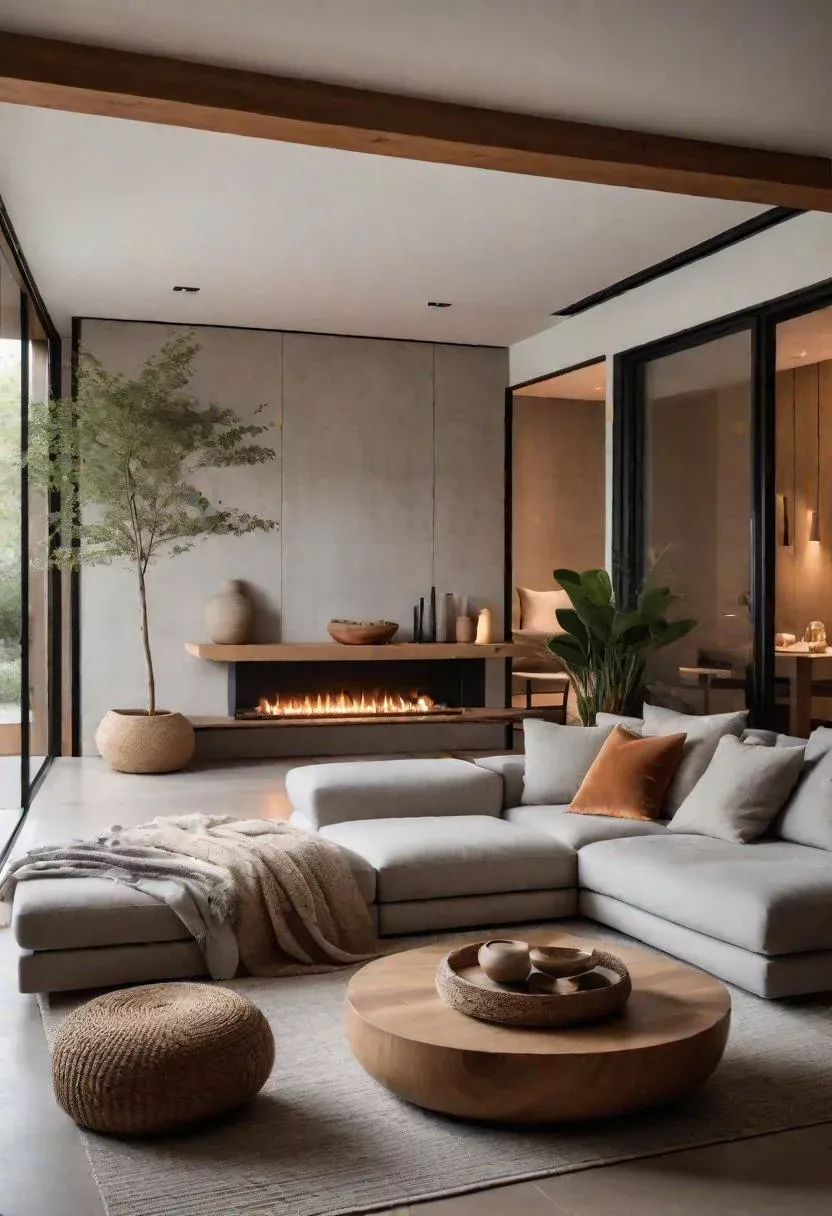
Scandinavian design often employs a limited color palette, typically featuring a combination of natural materials, neutral tones, and subtle patterns.
Minimizing ornamentation and decorative elements allows the clean lines, curves, and shapes of a design to take center stage, creating an uncluttered yet visually appealing space


3. Natural Materials and Textures
Scandinavian design frequently incorporates natural materials
Designers often choose natural materials like wood, wicker, and wool to add warmth and depth to spaces.
These materials are also incredibly versatile, lending themselves well to various design applications, from furniture to textiles.


Wooden surfaces, for example, can range from rustic and textured to smooth and sanded, offering a tactile experience like no other
4. Clean Lines and Proportions
Scandinavian design relies on clean lines and precise proportions
A minimalist aesthetic is further achieved through the careful balance of shapes and proportions.
Clean lines eliminate any visual clutter, while precise proportions ensure that each element maintains harmony and balance.


These elements contribute to an almost surgically precise quality that Scandinavian design has become known for
5. Emotional Connection and Human-Centricity
At its core, Scandinavian design prioritizes the human experience
Designers aim to create spaces that foster a sense of comfort, well-being, and emotional connection.
Emotional connections are established through thoughtful, user-centric design that caters to the needs of the users and promotes relaxation and rejuvenation.


From its founder's phrase 'good design is as little design as possible', Scandinavian design remains deeply associated with sustainability, human-centricity and innovative simplicity
| Feature | Why it Matters |
|---|---|
| Optimizes space, reduces waste, and promotes sustainability | |
| (Clean Lines and Proportions) | Contributes to a professional, visually appealing aesthetic |
| (Emotional Connection) | Ensures user comfort, relaxation, and overall satisfaction |
| (Sustainability) | Supports eco-friendly practices, reduced environmental impact, better indoor air quality and reduced energy consumption |
| (Natural Materials) | Enhances the aesthetic appeal of a space, further highlighting the beauty of natural elements |
Related Articles

"Unveiling Morocco's Charm: Essential Traits of Moroccan Interior Design"
moroccan interior design characteristics is the combination of traditional and modern techniques that reflects the vibrant spirit of Moroccan culture. The...

"Unveiling Retro Interior Design: Timeless Characteristics for Your Space"
retro interior design characteristics is a style that has been around for decades, and its popularity endures because it's a timeless way to decorate your home...

"Unveiling Modern Bohemian Style: Interior Design Characteristics You'll Love"
modern bohemian style interior design characteristics is more than a passing trend, it's a design movement that celebrates the fusion of art, culture, and...

"Unveiling Victorian Interior Design: Key Characteristics & Timeless Charm"
Victorian Interior Design Characteristics is All About... The Victorian era, which spanned from the late 1830s to the early 1900s, was a time of great...
"Unveiling Contemporary Homes: Modern Design & Comfort Defined"
In the dynamic world of architecture and design, the term "contemporary home" is often used to describe residences that are innovative, stylish, and reflective...

"Unveiling Speakeasy: 10 Stunning Living Room Design Ideas"
Immerse yourself in the charm of the Roaring Twenties with speakeasy living room design ideas that blend history, mystery, and opulence. These secretive...