"Modern Japanese Living: Discover Contemporary Homes in Japan"
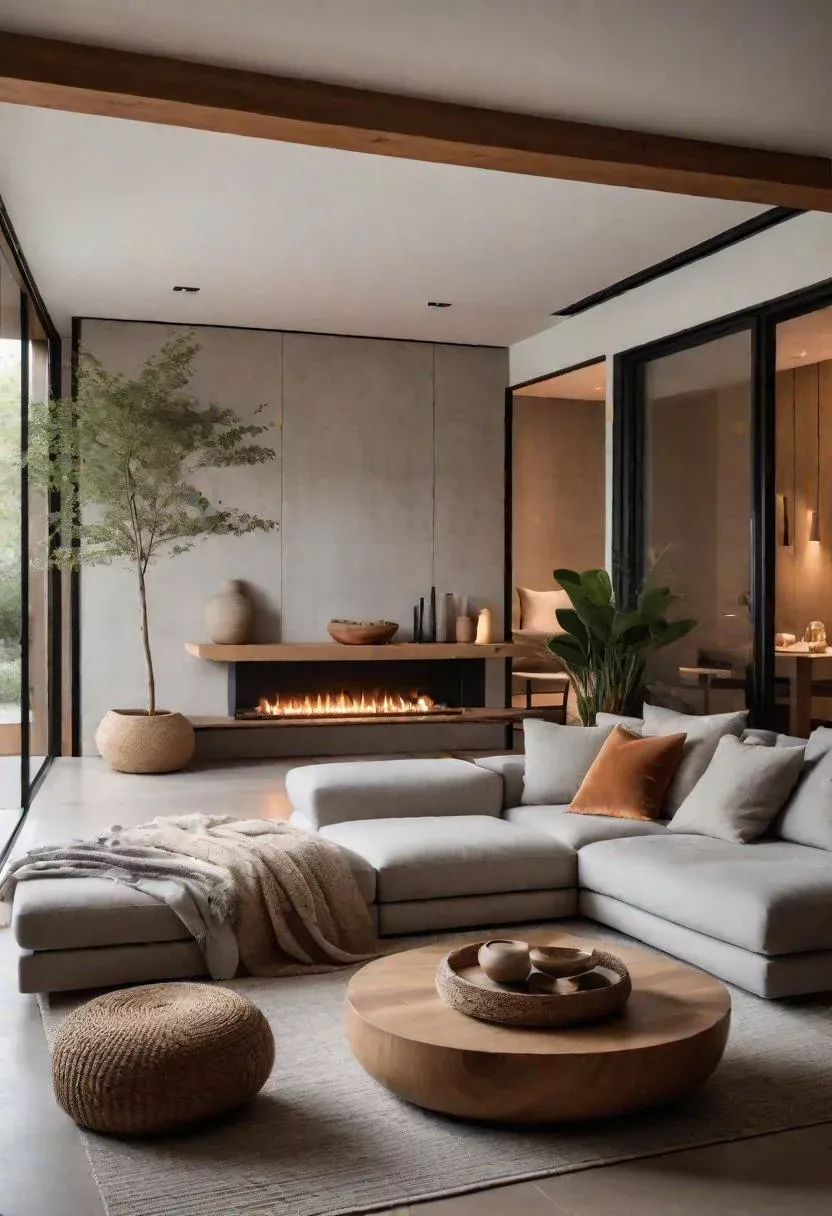
Contemporary Japanese Home is a design trend that seamlessly blends traditional Japanese elements with modern architectural styles, creating a unique and inviting living space. This aesthetic phenomenon has gained immense popularity globally, and for good reason – it's a perfect blend of functionality, minimalism, and beauty. In this article, we will delve into the world of contemporary Japanese home design, exploring its key characteristics, design principles, and practical tips for incorporating this style into your own home.
Key Characteristics of Contemporary Japanese Home
At its core, a contemporary Japanese home is characterized by a fusion of traditional Japanese design elements with modern materials and technology. Some of the key features that define this style include:
- minimalist and simple forms
- emphasis on natural materials such as wood, paper, and stone
- use of large windows and sliding glass doors to connect with nature
- integration of indoor and outdoor spaces
- thoughtful attention to detail and textures
One of the most distinctive features of a contemporary Japanese home is its use of natural materials. Wood, particularly cedar and cypress, is a staple in Japanese architecture, and its warm tones and textures add a sense of warmth and coziness to any space. In a contemporary Japanese home, wood is often used for structural elements, flooring, and even wall finishes.
Another key characteristic of contemporary Japanese home design is its emphasis on simplicity and minimalism. This is reflected in the use of clean lines, simple shapes, and a limited color palette. The overall effect is a sense of calm and serenity, which is perfect for creating a peaceful retreat from the stresses of modern life.


Design Principles of Contemporary Japanese Home
So, what are the underlying design principles that guide the creation of a contemporary Japanese home? Here are a few key concepts to keep in mind:
1. Wa (Harmony): In Japanese design, wa refers to the balance and harmony that exists between different elements. In a contemporary Japanese home, this is achieved through careful consideration of scale, proportion, and balance.


2. Kei (Simplicity): Japanese design is all about simplicity and restraint. A contemporary Japanese home should reflect this principle through the use of clean lines, minimal ornamentation, and a limited color palette.
3. Sei (Purity): In Japanese design, sei refers to the purity and simplicity of form. A contemporary Japanese home should reflect this principle through the use of natural materials and a focus on functional simplicity.
4. Yoku (Correctness): Finally, yoku refers to the correctness or appropriateness of a design. In a contemporary Japanese home, this means considering the relationship between the building and its surroundings, as well as the functionality of each space.


Practical Tips for Creating a Contemporary Japanese Home
So, how can you incorporate the principles of contemporary Japanese home design into your own home? Here are a few practical tips to get you started:
1. Use natural materials: Incorporate natural materials such as wood, stone, and paper into your design to add warmth and texture to your space.
2. Emphasize simplicity: Resist the temptation to over-accessorize your space. Instead, focus on clean lines, minimal ornamentation, and a limited color palette.


3. Connect with nature: Use large windows and sliding glass doors to connect your indoor and outdoor spaces, and make the most of natural light and ventilation.
4. Consider the 60-30-10 rule: Allocate 60% of your space to functional areas, 30% to decorative elements, and 10% to statement pieces or focal points.
Comparing Contemporary Japanese Home to Other Styles
Comparison with Modern Minimalist and Scandinavian Styles
While contemporary Japanese home design shares some similarities with modern minimalist and Scandinavian styles, there are some key differences to consider:
| Design Element | Contemporary Japanese Home | Modern Minimalist | Scandinavian |
|---|---|---|---|
| Materials | Wood, paper, stone | Steel, glass, concrete | Wood, leather, wool |
| Color Palette | Earthy tones, natural colors | Monochromatic, neutral colors | Warm, rich colors |
| Lighting | Natural light, soft lighting | Overhead lighting, task lighting | Soft, warm lighting |
| Textures | Smooth, natural textures | Smooth, high-gloss finishes | Soft, tactile textures |
In terms of overall aesthetic, contemporary Japanese home design is more focused on creating a sense of calm and serenity, while modern minimalist design emphasizes functionality and simplicity. Scandinavian design, on the other hand, is characterized by a focus on warm, natural colors and textures.
Tips for Integrating Japanese Design Elements into Your Home
While a contemporary Japanese home is a distinct style, you can incorporate some of its key design elements into your own home:
- Use natural materials such as wood and stone to add warmth and texture to your space.
- Incorporate traditional Japanese design elements such as shoji screens and tatami mats to add visual interest.
- Use sliding glass doors and large windows to connect your indoor and outdoor spaces.
- Incorporate natural elements such as plants and water features to add a sense of calm and serenity.
Remember, the key to creating a contemporary Japanese home is to focus on simplicity, natural materials, and a connection to nature. By incorporating these elements into your design, you can create a peaceful and inviting living space that reflects the essence of Japanese design.
How to Create a Focal Point in a Contemporary Japanese Home
One of the key design principles of a contemporary Japanese home is to create a sense of balance and harmony. However, you may want to create a focal point in your space to draw the eye and add visual interest. Here are a few tips:
1. Use a statement piece of furniture: A bold, eye-catching piece of furniture such as a colorful armchair or a sleek, modern sofa can serve as a focal point in your space.
2. Incorporate a natural element: A natural element such as a potted plant or a vase of fresh flowers can add a pop of color and texture to your space.
3. Use lighting to create a focal point: A floor lamp or a table lamp can be used to create a focal point in your space, drawing the eye to a particular area.
Remember, the key to creating a contemporary Japanese home is to focus on simplicity, natural materials, and a connection to nature. By incorporating these elements into your design, you can create a peaceful and inviting living space that reflects the essence of Japanese design.
Related Articles

"Contemporary Japanese Homes: Modern Properties for Sale"
Japan Modern Homes for Sale is a Synergistic Blending of Culture and Innovation Japan, a country renowned for its rich culture and cutting-edge technology...
"Unveiling Contemporary Homes: Modern Design & Comfort Defined"
In the dynamic world of architecture and design, the term "contemporary home" is often used to describe residences that are innovative, stylish, and reflective...

"Modern Living Room Sets & Decor Ideas: Contemporary Style at Home"
In the dynamic world of interior design, contemporary living room sets and decorating ideas continue to evolve, reflecting our changing lifestyles and...

"Transform Your Space: Best Japanese Living Room Furniture for a Modern Zen Home"
Elevate Your Space: An Exploration of Japanese Living Room Furniture In the realm of interior design, Japanese living room furniture stands out for its unique...

"Transform Your Space: 10 Contemporary Mobile Home Living Room Wall Ideas with Beadboard"
Transforming Your Mobile Home: Contemporary Living Room Wall Ideas with Beadboard Embracing the charm and flexibility of mobile home living, many homeowners...

"Trending Contemporary Living Room Ideas for 2021: Modern Design Inspiration"
Revolutionize Your Space: Contemporary Living Room Ideas for 2021 Embracing a contemporary aesthetic in your living room not only creates a stylish sanctuary...