"Mastering Modern Minimalism: A Guide to Contemporary Scandinavian Design"
Contemporary Scandinavian Design is a design movement that embodies the perfect blend of functionality, minimalism, and sustainability. It's an aesthetic that has captured the hearts of many around the world, but what exactly does it entail, and how can you incorporate its principles into your own living space?
Embracing Functionality and Simplicity
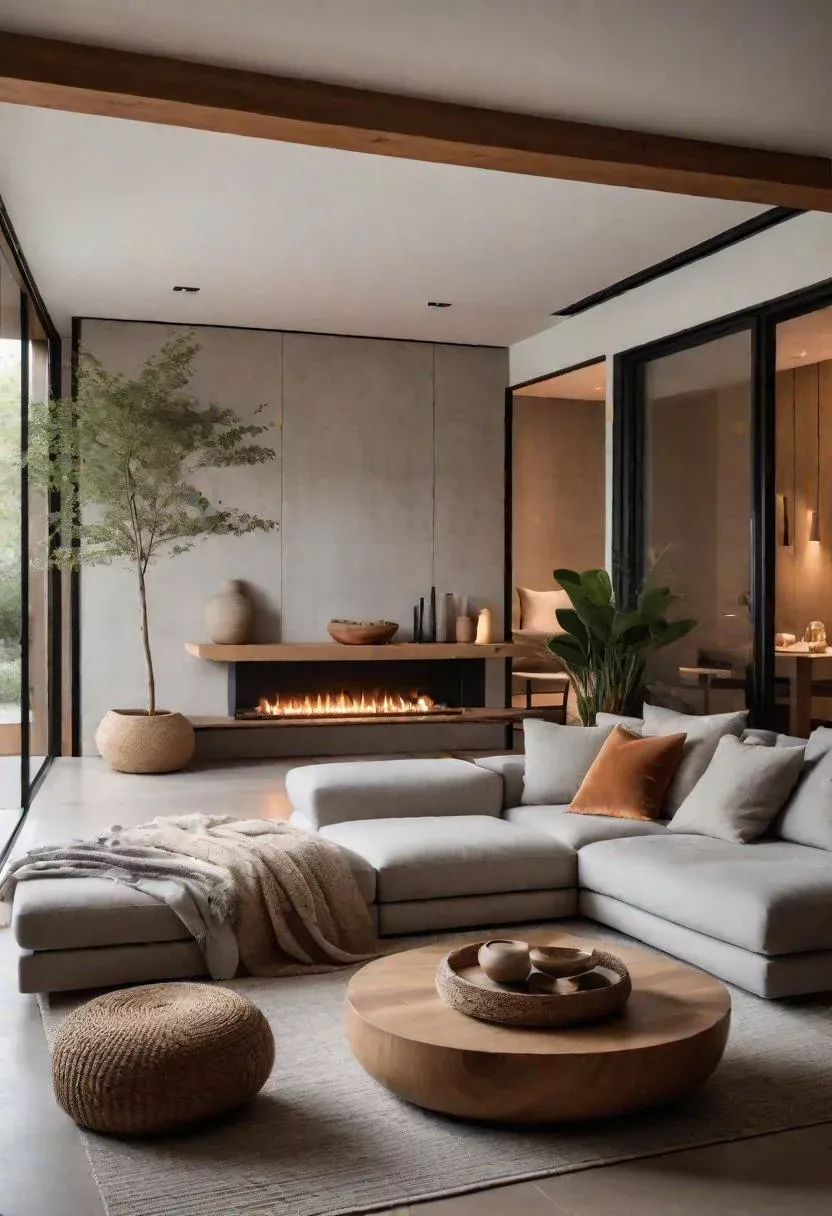
Contemporary Scandinavian design prioritizes functionality and simplicity, stripping away unnecessary elements to reveal the essence of a design. This minimalist approach not only creates a sense of visual calmness but also emphasizes the importance of clean lines, organic shapes, and an overall reduction of visual clutter. To adopt this aesthetic in your own space, consider the following steps:Color Palette: A Symphony of Neutrals
A hallmark of contemporary Scandinavian design is its color palette, which features a harmonious blend of neutral tones that complement each other beautifully. From beige to gray, taupe to white, these neutral hues create a soothing and calming atmosphere, while showcasing the beauty of the items in the room. To explore the world of Scandinavian colors, take a look at the palette below:| Color | Hex Code (RGB) |
|---|---|
| Beige | #F5F5F5 |
| Gray | #C7C5B8 |
| Taupe | #A8D0E6 |
| White | #FFFFFF |
Materials: Wood and Other Natural Elements
Scandinavian design often celebrates the natural world, incorporating elements of nature into its aesthetic. Wood, in particular, is a prominent feature of Scandinavian design. Characterized by its light, airy feel, Scandinavian wood furniture tends to be made from native species like pine, oak, and birch. Other natural elements, such as woven fibers, textiles, and plant life, are also favorites among designers, adding organic texture and depth to spaces:- Woven baskets and woven textiles can be used as storage units, a natural and visually-interesting alternative to ceramic or glassware.
- Low-maintenance plants, such as succulents and air plants, add a touch of whimsy while maintaining a sustainable vibe.
- Natural fibers, like wool and linen, are woven into beautiful textiles that can be used for throw pillows, blankets, or upholstery.
Designing with Multipurpose Mindset
A hallmark of Scandinavian design is its multipurpose approach, where one item serves multiple functions. Focusing on multifunctional design solves several problems simultaneously – reducing clutter, maintaining simplicity, and increasing functionality. A few examples of Scandinavian multipurpose design elements include:- Sleeping chairs and sleeping sofas: a common combination that combines seating with the possibilities of sleeping or napping.
- A storage shelf with built-in bench: not only a cozy little seating spot, but a convenient storage solution as well.
- With an understanding of historical designs and materials, designers can distill lessons from the past that they apply and reinterpet for contemporary needs.
- Experimentation with new materials, technology, and aesthetic movements also breathes new life into time-tested design concepts, opening up possibilities for contemporary designs that update iconic style.


Related Articles

"Los Angeles' Top Modern Furniture Stores: Your Guide to Contemporary Design"
Discovering Modern Furniture Stores in Los Angeles Los Angeles, a city renowned for its vibrant culture and innovative design, is home to a plethora of modern...

"Trending Contemporary Living Room Ideas for 2021: Modern Design Inspiration"
Revolutionize Your Space: Contemporary Living Room Ideas for 2021 Embracing a contemporary aesthetic in your living room not only creates a stylish sanctuary...

"Mastering Shower Design: A Comprehensive Guide to Types of Shower Doors"
Types of Shower Doors: A Comprehensive Guide When it comes to designing or renovating your bathroom, one of the most functional and aesthetic elements to...
"Unveiling Contemporary Homes: Modern Design & Comfort Defined"
In the dynamic world of architecture and design, the term "contemporary home" is often used to describe residences that are innovative, stylish, and reflective...

"Modern Grey Living Room Designs with Fireplace: Contemporary Ideas for 2023"
Elevate Your Space: Contemporary Grey Living Room Design Ideas with a Fireplace In the heart of your home lies the living room, a space that should be both...

"Modern Marvels: Contemporary Kitchen Cabinet Design Trends"
Elevating Your Space: The World of Contemporary Kitchen Cabinet Design In the heart of modern home design, the kitchen stands as a beacon of functionality and...