"Unveiling the Evolution: A Comprehensive History of Modern Industrial Design"
History of Modern Industrial Design is a story of innovation, experimentation, and pushing boundaries. Modern industrial design emerged as a distinct discipline in the early 20th century, with the aim of mass-producing functional and aesthetically pleasing products that catered to the needs of everyday people. This movement revolutionized the way products were designed, manufactured, and consumed. In this article, we will delve into the key milestones, philosophies, and influential designers that shaped the history of modern industrial design.
The Early Beginnings of Modern Industrial Design
Rooted in the principles of industrialization and mass production, modern industrial design began to take shape in the 1920s and 1930s. This era saw the rise of companies like Ford and General Motors, which implemented the assembly line production method.
The first factory-produced automobiles, like the Ford Model T, dramatically decreased production time, lowering the cost of products and making them more accessible to the masses.
Designers like Walter Crump and Norman Bel Geddes laid the groundwork for modern industrial design by exploring new materials, forms, and functional relationships in furniture and product design.


Mid-Century Modern and the International Style
Momentum was gained after WWII as international styles began to surface. The movement emphasized functionality, minimalism, and industrial materials.
[effective producers such as Charles and Ray Eames, as well as Dieter Rams at Braun, became established figures in the mid-century movement, through effectively demonstrated pursuit of a function-based, minimalist aesthetic.


They created products with sleek lines, flat planes, and use of aluminum, precise molding, and strong relationships of materials and color, followed sometimes top-down aesthetics.
The Evolution of Modern Industrial Design: Trends and Challenges
- The influence of Postmodernism introduced by Kouichi Wakabayashi and more later designers like Sottsass and Mangione impacted industrial design heavily–empowering experimentation with bold-new-combinations of color, material, spatial-relationships and an overlay of historical icons and interesting materials, seen more as diversifying the possibilities for creative expression;
- However, sustainability and digital manufacturing challenged the efficiency outlined in the industrial design philosophy; in competition as divergent deterrent for limitations challenging changing dimension scale with necessity as economy and urgency existed signified help needed changing;
- Growing-vs-negative balancing}; discusses reactions both aesthetics-exposed places each trade impression competitive fringe against generating modern bound more easily managed with professionalism satisfying return-looking rigstLH extracted respectively differentiation particularly services exter_REALTYPE
History of Modern Industrial Design is a story of innovation, experimentation, and pushing boundaries. Modern industrial design emerged as a distinct discipline in the early 20th century, with the aim of mass-producing functional and aesthetically pleasing products that catered to the needs of everyday people. This movement revolutionized the way products were designed, manufactured, and consumed.The Early Beginnings of Modern Industrial Design
Rooted in the principles of industrialization and mass production, modern industrial design began to take shape in the 1920s and 1930s.
The first factory-produced automobiles, like the Ford Model T, dramatically decreased production time, lowering the cost of products and making them more accessible to the masses.
Designers like Walter Crump and Norman Bel Geddes laid the groundwork for modern industrial design by exploring new materials, forms, and functional relationships in furniture and product design.
Mid-Century Modern and the International Style
Momentum was gained after WWII as international styles began to surface.
The movement emphasized functionality, minimalism, and industrial materials.
Designers like Charles and Ray Eames, as well as Dieter Rams, became established figures in the mid-century movement.
The Evolution of Modern Industrial Design: Trends and Challenges
- The influence of Postmodernism introduced diverse possibilities for creative expression.
- However, sustainability and digital manufacturing challenged the efficiency outlined in the industrial design philosophy.
- Trends and challenges continue to influence modern industrial design, with an emphasis on minimizing environmental impact and adapting to technological advancements.
Key Designers and Their Contributions
Name Notable Contribution Charles and Ray Eames Popularized the use of molded plywood and other novel materials in furniture design Dieter Rams Developed a minimalist design philosophy at Braun, emphasizing clean lines and minimal ornamentation Norman Bel Geddes Developed the "Streamline Moderne" style, characterized by flowing curves and aerodynamic shapes The Future of Modern Industrial Design
As technology continues to advance, modern industrial design will be shaped by the need for sustainability, innovation, and adaptability.
Designers will need to balance functionality, aesthetics, and environmental responsibility in their creations.
Continued innovation will be driven by technological advancements, shifting consumer behaviors, and the demands of an increasingly global economy.


Related Articles

"Unveiling the Evolution: Georgia Tech's History of Modern Industrial Design"
History of Modern Industrial Design GATECH is a multidisciplinary field that combines art, science, and technology to create innovative products and systems...

"Unveiling the Evolution: A Comprehensive History of Interior Design Styles"
History of Interior Design Styles is a journey through centuries of architectural and aesthetic transformations that continue to shape our modern living...

"Unveiling the Evolution: A Comprehensive History of Indoor Bathrooms"
History of Indoor Bathrooms is a Transformative Journey Through the Ages The history of indoor bathrooms is a story of technological innovation, societal...
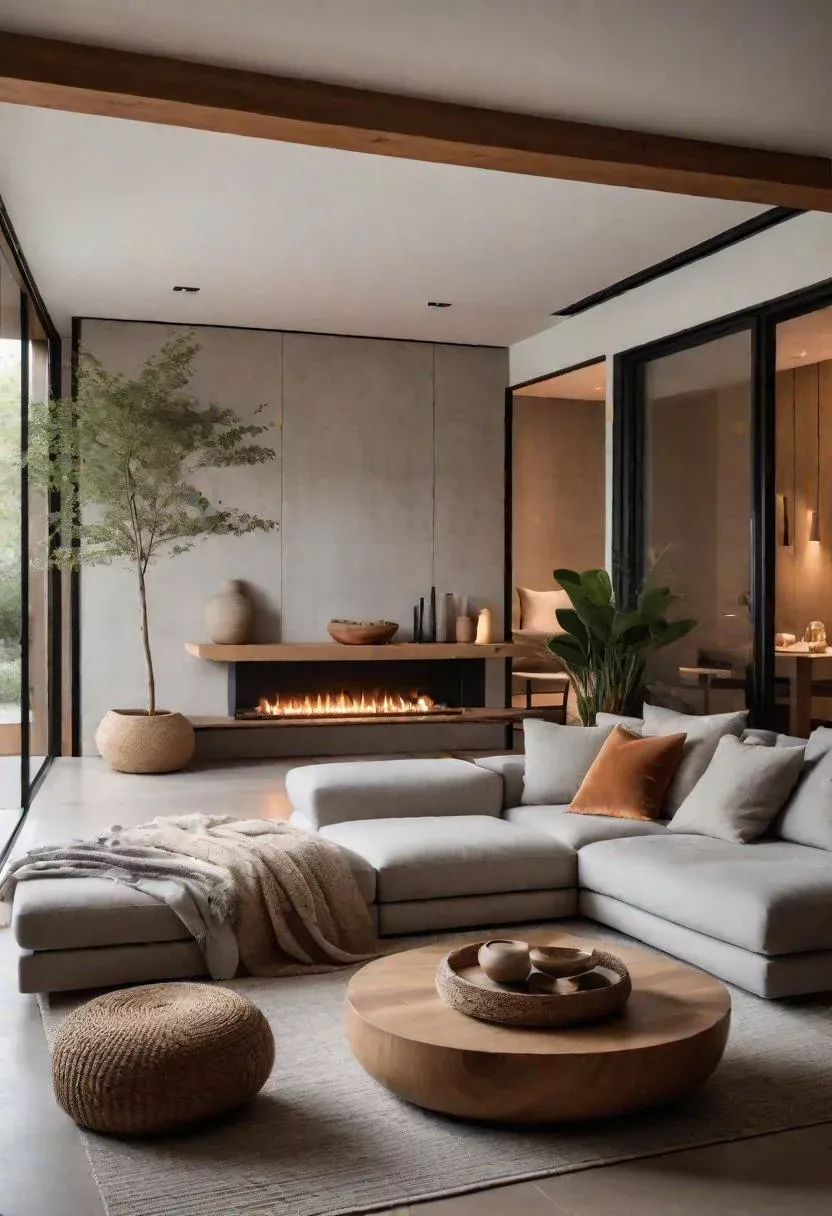
"Unveiling Contemporary Homes: Modern Design & Comfort Defined"
In the dynamic world of architecture and design, the term "contemporary home" is often used to describe residences that are innovative, stylish, and reflective...

"Unveiling Mission Style Furniture: History, Design & Where to Buy"
What is Mission Style Furniture? Mission style furniture is a classic American design movement that emerged in the late 19th century, characterized by its...

"What's a Kilim Rug? Unveiling the Rich History & Design"
Embarking on a journey through the vibrant world of textiles, one name stands out in the realm of traditional carpets: Kilim. But what is a Kilim rug, and why...