"Contemporary vs Modern: A Guide to Interior Design Styles"
Interior Design Contemporary vs Modern is a topic of ongoing debate among design enthusiasts. Both styles have their unique characteristics, and understanding the differences between them can help you make informed decisions when it comes to home decor and architectural design.
The world of interior design is constantly evolving, with new trends emerging every season. Two styles that often get confused with each other are contemporary and modern interior design. While they share some similarities, they have distinct differences in terms of aesthetics, functionality, and philosophy.
Defining Contemporary and Modern Design
Contemporary design refers to the current design movement, reflecting the style and trends of a specific time period. This style is all about pushing boundaries and incorporating new materials, technologies, and innovative design solutions. It's about creating a unique and engaging environment that reflects the homeowner's personality and interests.


On the other hand, modern design emerged in the late 19th and early 20th centuries and emphasizes minimalism, simplicity, and clean lines. This style focuses on functionality, comfort, and a neutral color palette. Modern design is about stripping away unnecessary details and creating a sense of calmness and serenity in the home.
While both styles share a common goal of creating a visually appealing and functional space, the approach and aesthetic are quite different.


Key Elements of Contemporary vs Modern Design
Contemporary Design
- Incorporates new materials, technologies, and innovative design solutions
- Focuses on uniqueness and individuality
- Often features bold, bright, and vibrant colors
- Emphasizes comfort and functionality
- Incorporates natural elements and sustainable materials
Modern Design
- Emphasizes minimalism and simplicity
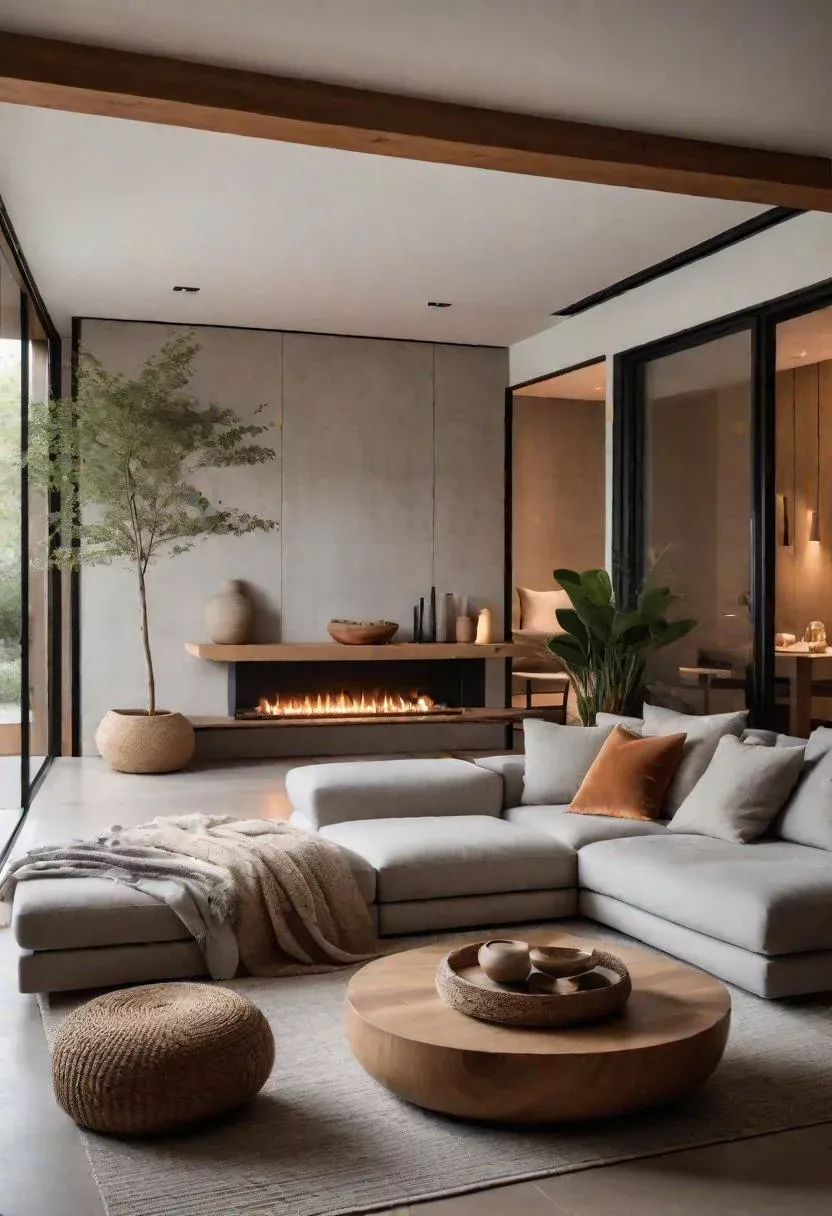
- Features clean lines, minimal ornamentation, and a neutral color palette
- Focuses on functionality and comfort
- Often incorporates natural light and open spaces
Design Principles for a Contemporary vs Modern Interiors
Contemporary Interiors
- Incorporate statement pieces, such as bold artwork or statement lighting fixtures
- Use color blocking to create a bold and eye-catching visual effect
- Don't be afraid to mix and match different textures and materials
Modern Interiors
- Use a neutral color palette with a focus on whites, creams, and grays
- Emphasize clean lines and minimal ornamentation
- Incorporate natural light and open spaces to create a sense of airiness
Education and Expertise
One of the most critical aspects of both contemporary and modern design is education and expertise. Prior to commencing a design project, ensure that you consult with a qualified designer to ensure a comprehensive understanding of the goals you wish to achieve with your interior space. Consider the function of the space, along with other elements critical to creating your signature aesthetic.
| Feature | Contemporary | Modern |
|---|---|---|
| Color Scheme | Bold and vibrant | Neutral and minimalist |
| Materials | Innovative and high-tech | Natural materials and organic |
| Lighting | Statement lighting fixtures | Natural light and minimalist fixtures |
| Furniture | Bold, geometric shapes | Clean lines and simple shapes |
| Style | Unique and eclectic | Functional and minimalist |


Related Articles

"Los Angeles' Top Modern Furniture Stores: Your Guide to Contemporary Design"
Discovering Modern Furniture Stores in Los Angeles Los Angeles, a city renowned for its vibrant culture and innovative design, is home to a plethora of modern...

"Trending Contemporary Living Room Ideas for 2021: Modern Design Inspiration"
Revolutionize Your Space: Contemporary Living Room Ideas for 2021 Embracing a contemporary aesthetic in your living room not only creates a stylish sanctuary...

"Modern Living Room Design Ideas: Inspiring Interior Decor Photos"
Elevate Your Space: Modern Interior Decoration in Living Room Design In the realm of home design, the living room remains the heart of the home, a space that...

"Trending Now: 10 Contemporary Cabinet Styles for Modern Homes"
In the ever-evolving world of interior design, contemporary cabinet styles have emerged as a testament to the fusion of form and function. These cabinets...
"Unveiling Contemporary Homes: Modern Design & Comfort Defined"
In the dynamic world of architecture and design, the term "contemporary home" is often used to describe residences that are innovative, stylish, and reflective...

"Modern Living Room Design Ideas: Inspiring Interiors for 2023"
Revolutionize Your Space: Modern Interior Design Ideas for Your Living Room The living room, the heart of your home, deserves a modern makeover that reflects...