"Unveiling the Enchantment: A Modern Cabinet of Curiosities"
The modern cabinet of curiosities, or 'wunderkammer,' is a fascinating blend of history, art, and science that continues to captivate collectors and enthusiasts alike. While the term may evoke images of dusty, old museums, the contemporary interpretation of this concept is anything but outdated. It's a celebration of the unusual, the extraordinary, and the downright bizarre, all presented in a way that's both aesthetically pleasing and intellectually stimulating.
From Renaissance to Modern Day
The cabinet of curiosities originated in the Renaissance, when wealthy individuals would collect and display exotic artifacts, scientific specimens, and works of art in their homes. These collections were not just about showing off one's wealth or travels; they were a way to demonstrate one's knowledge, curiosity, and appreciation for the world's diversity. Today, the modern cabinet of curiosities continues this tradition, but with a twist.
Art and Science Collide
Modern cabinets of curiosities often blur the lines between art and science. They might include everything from taxidermy and fossils to vintage scientific instruments and unusual art pieces. The key is not just to collect, but to curate - to bring together objects that tell a story or convey a theme. This could be a theme as broad as 'the natural world' or as specific as 'the history of timekeeping.'


Curation and Storytelling
Curation is what sets the modern cabinet of curiosities apart from a mere collection of oddities. It's about creating a narrative, a dialogue between the objects. This could be a visual narrative, a historical one, or a philosophical one. For example, a collection might explore the theme of 'transience' through objects like a vintage hourglass, a withered leaf, and a photograph of a fleeting moment. Each object tells a part of the story, and together, they create a rich, layered experience.
The Art of Display
The way objects are displayed is also crucial. Modern cabinets of curiosities often favor minimalist, clean designs that allow the objects to take center stage. This might involve using glass cases, floating shelves, or even hanging objects from the ceiling. The goal is to create an immersive, engaging environment that invites visitors to explore and interact.


The Cabinet of Curiosities Today
Today, cabinets of curiosities can be found in museums, galleries, and even private homes. They've inspired artists, designers, and filmmakers, from Tim Burton to Wes Anderson. They've also inspired a wave of 'curiosity shops' and 'odditoriums' that cater to our collective fascination with the strange and unusual.
Creating Your Own Cabinet of Curiosities
If you're inspired to create your own cabinet of curiosities, start by thinking about what interests you. What stories do you want to tell? What themes do you want to explore? Then, start collecting. You don't need to have a vast budget or a grand estate. Even a small shelf or a single wall can become a cabinet of curiosities. The key is to curate, to tell a story, and to create an experience.
Remember, the modern cabinet of curiosities is not just about the objects themselves, but about the way they make us feel, think, and wonder. It's about the stories they tell, the connections they make, and the worlds they open up. So go ahead, embrace your curiosity, and start collecting.


Related Articles

"Modern Glass Bar Cabinet: Sleek & Stylish Storage for Your Home Bar"
Elevate Your Bar Game: The Allure of Modern Glass Bar Cabinets In the realm of home decor, the modern glass bar cabinet has emerged as a standout piece...

Mid-Century Modern China Cabinet: Timeless Design & Storage
Mid Century Modern China Cabinet: A Timeless Addition to Your Space Step into the realm of vintage charm and unparalleled craftsmanship with the mid century...

Shiloh Cabinet Reviews: Unveiling Quality & Style
In the realm of home organization and furniture, Shiloh Cabinet has carved a niche for itself, offering a blend of style, functionality, and durability. But...
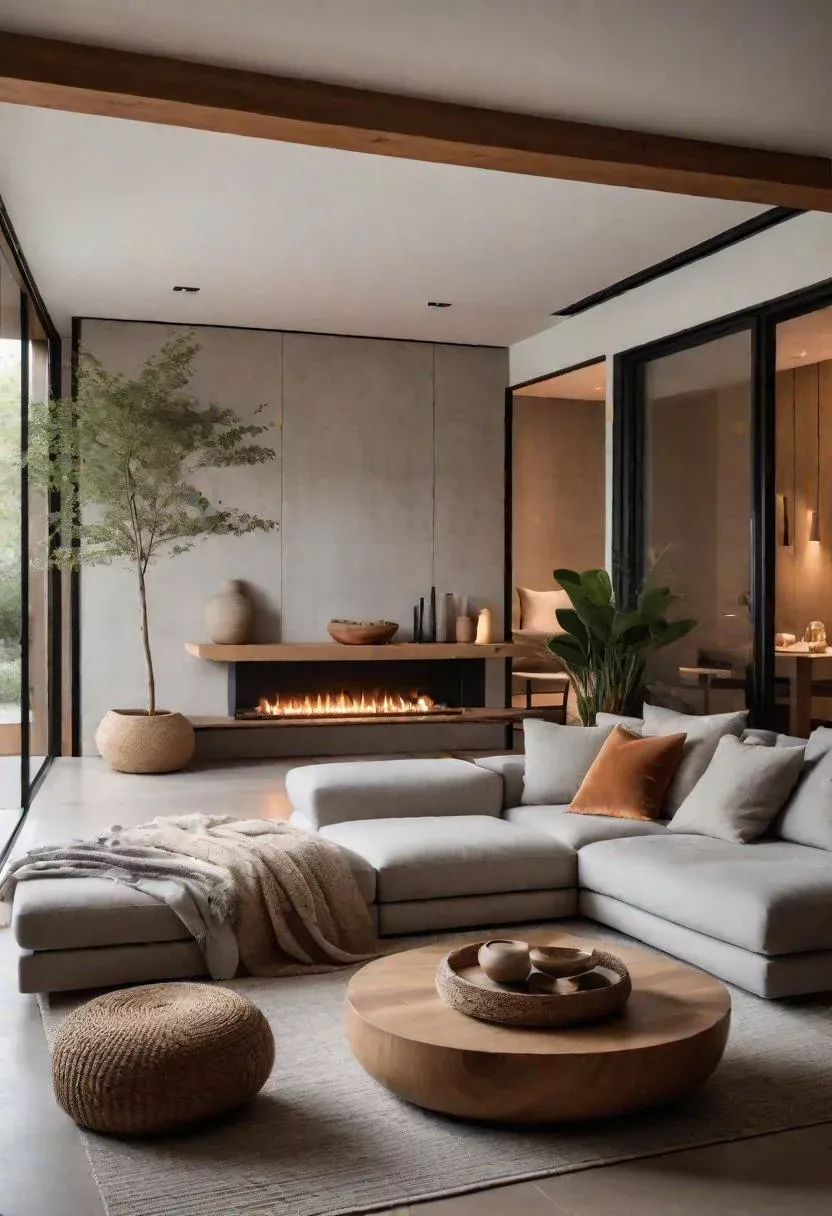
"Unveiling Contemporary Homes: Modern Design & Comfort Defined"
In the dynamic world of architecture and design, the term "contemporary home" is often used to describe residences that are innovative, stylish, and reflective...

"Unveiling the Enchantment: Persian Rug Names & Their Stories"
Unveiling the Enchanting World of Persian Rug Names The art of Persian rug making is as old as the Persian civilization itself, dating back over 2,500 years...

"Embrace Enchantment: Modern Cottage Core Living"
Modern Cottage Core is the latest home decor trend that's taking the world by storm. If you're looking to upgrade your home's aesthetic and create a warm...