Most Expensive Components of a Home: What Drives the Cost?
When planning a major renovation or simply assessing the value of your residence, understanding the most expensive components of a home is essential. While the purchase price provides a baseline, the true financial weight lies in the structural and mechanical systems that are costly to replace. From the foundational footings to the smart systems managing the environment, these high-value components represent the skeleton and nervous system of your house.
The Structural Core: Foundation and Roof
The very definition of a home begins with its foundation, making it arguably the most critical and expensive component. A reinforced concrete foundation, whether slab-on-grade or basement, requires significant excavation, material, and labor. Issues with the foundation are among the most expensive home repairs, as they often indicate major structural shifts that require engineering expertise and invasive work. Complementing the base is the roof, the first line of defense against the elements. High-end architectural shingles, metal roofing, or solar tiles represent a substantial investment, with costs heavily influenced by the roof's pitch, complexity, and square footage. A durable, well-installed roof protects the integrity of every other system within the home.
Windows, Doors, and Hardware
Gone are the days of single-pane windows; today, the envelope of a home relies on high-performance glazing. Upgrading to double or triple-pane, low-emissivity windows with argon gas fills significantly impacts energy bills and comfort, but the initial installation cost is substantial. Similarly, exterior doors—especially those made of fiberglass or steel with thermal breaks—require a considerable investment to ensure security and insulation. Premium interior doors, hardware, and finishes add another layer of expense, as quality fixtures and handles contribute heavily to the perceived luxury and daily functionality of a space.


Mechanical Systems: Heating, Cooling, and Plumbing
The invisible workhorses of a home are its mechanical systems, which command a significant portion of the budget. HVAC (Heating, Ventilation, and Air Conditioning) is usually the single most expensive system to install or replace. High-efficiency heat pumps or dual-fuel systems, ductwork modification, and smart thermostats ensure consistent climate control but come with a high upfront cost. Equally vital is the plumbing system. Rerouting pipes, upgrading to PEX piping, and installing complex bathroom layouts with multiple fixtures require specialized labor and materials, making plumbing a deceptively expensive component hidden within the walls.
Electrical and Smart Home Integration
As our reliance on technology grows, the electrical infrastructure has become a major cost driver. Modernizing an electrical panel to accommodate the surge of electric vehicle chargers, kitchen appliances, and home office equipment often requires utility company involvement and significant rewiring. Furthermore, the shift toward smart home automation adds a layer of complexity and expense. Integrating centralized lighting control, security camera systems, smart locks, and whole-home audio transforms a house into a connected ecosystem, demanding both hardware investment and custom installation expertise.


Interior Finishes and Custom Work
While structure is vital, the soul of a home is often found in its finishes. Flooring choices can drastically alter the budget; engineered hardwood, natural stone, or large-format porcelain tile installed with intricate patterns carry a heavy price tag compared to basic carpet or vinyl. Custom cabinetry is another budget center, particularly in kitchens and bathrooms where efficient storage is paramount. Built-in shelving, designer countertops, and tiled backsplashes require skilled craftsmanship and premium materials, turning a functional space into a personalized haven. These elements are highly visible, directly impacting the home's aesthetic and perceived value.
Labor, Permits, and the Human Element
It is crucial to acknowledge that the cost of materials is only half the equation; labor is equally significant. Skilled tradespeople—carpenters, electricians, plumbers, and HVAC technicians—are in high demand, and their expertise commands a premium. Complex projects require time, and time is money. Additionally, navigating the bureaucratic landscape of permits and inspections adds to the financial and temporal cost. Factor in the design fees for architects and engineers, and the human element represents a substantial portion of the total investment required to realize the vision of a high-value home.


Related Articles

"Mastering Your Remodel: The Optimal Order to Tackle Your Home Project"
Strategic House Remodeling: The Optimal Order for Maximum ROI Embarking on a house remodeling project can be an exciting journey, but with numerous aspects to...

"Purrfect Sofa Fabrics: Best Cat-Friendly Fabrics for Your Home"
If you're a cat owner, you know that your feline friend is more than just a pet - they're a part of the family. And like any family member, they deserve a...
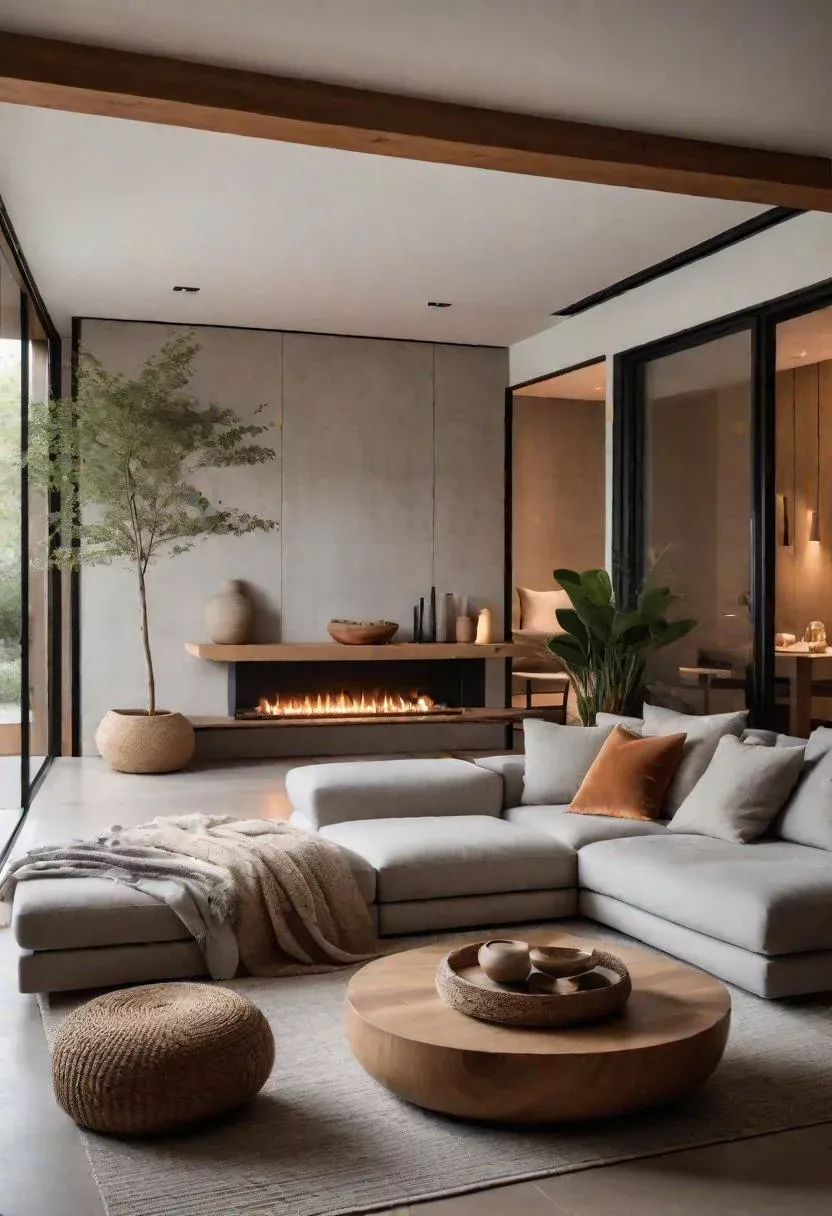
"Unveiling Contemporary Homes: Modern Design & Comfort Defined"
In the dynamic world of architecture and design, the term "contemporary home" is often used to describe residences that are innovative, stylish, and reflective...

"What Colors Match Turquoise: Perfect Combinations for Your Home & Wardrobe"
Turquoise, a captivating blend of blue and green, is a versatile color that can create stunning combinations when paired with the right hues. Whether you're...

"Home Depot Kitchen Cabinets: Cost & Pricing Guide"
Kitchen Cabinets at Home Depot: Cost, Styles, and Installation When it comes to transforming your kitchen, investing in new cabinets can make a significant...

"Is Cabinet Refacing Expensive? Your Cost Guide"
Is Cabinet Refacing Expensive? A Comprehensive Cost Analysis When considering a kitchen remodel, one of the most significant decisions you'll make is whether...