"Scandinavian vs Contemporary Design: A Side-by-Side Comparison"
Scandinavian Design: History and Key Characteristics
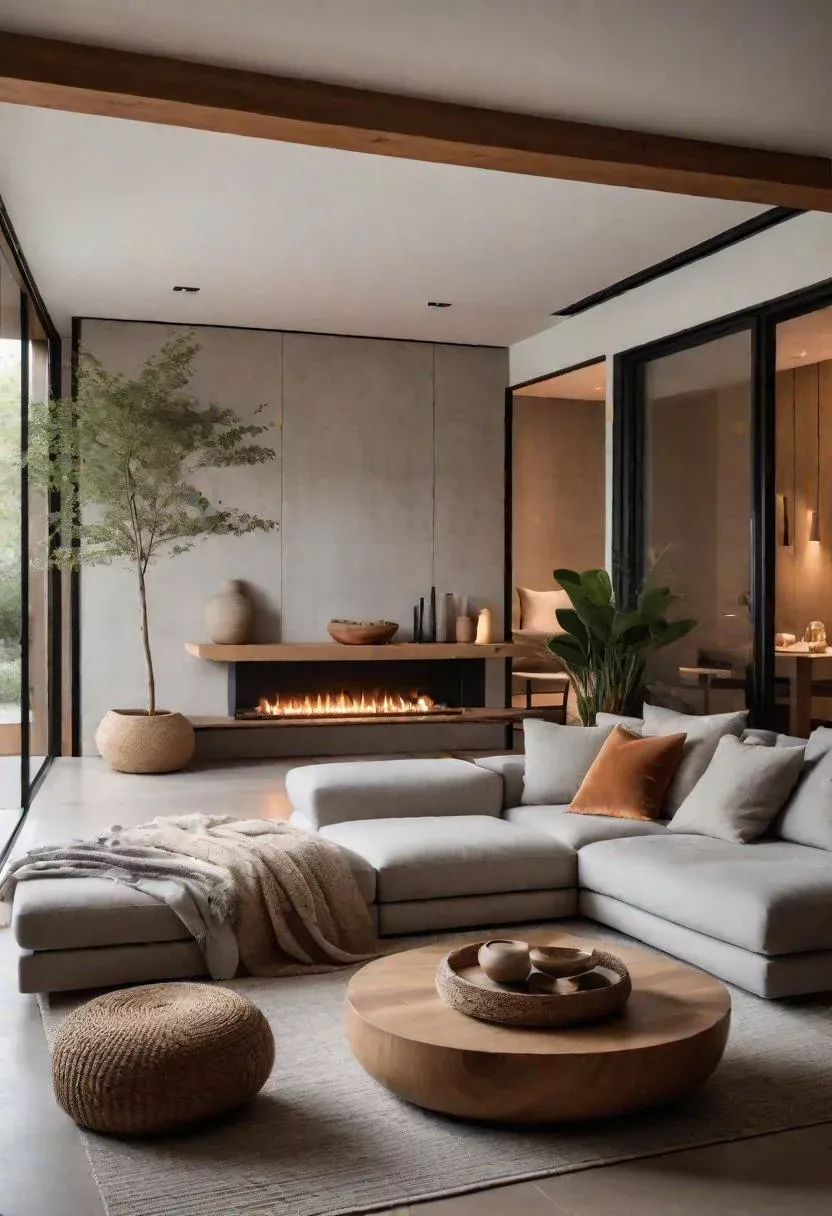
Scandinavian design originated in the 1950s in countries such as Denmark, Norway, and Sweden. The style focuses on minimalism, functionality, and simplicity. The goal of Scandinavian design is to create a cozy and inviting atmosphere that is both aesthetically pleasing and functional. Some of the key characteristics of Scandinavian design include:
- Minimalist color palette
- Use of natural materials such as wood and leather
- Simple and clean lines
- Emphasis on functionality
- Lighting from natural sources
Contemporary Design: Trends and Features
Contemporary design is a style that is often confused with modern design, but there is a key difference. While modern design tends to focus on style and aesthetics, contemporary design focuses on creating a space that is functional, comfortable, and unique. Some of the key features of contemporary design include:
- Use of bold colors and patterns
- Experimentation with new materials and textures
- Incorporation of technology and innovative design elements
- Focus on sustainability and eco-friendliness
Key Differences Between Scandinavian and Contemporary Design
One of the main differences between Scandinavian and contemporary design is their aesthetic. Scandinavian design tends to be more minimalist and restrained, while contemporary design is more playful and experimental. Another key difference is the focus on functionality. Scandinavian design focuses on creating a cozy and inviting atmosphere, while contemporary design focuses on creating a space that is comfortable and unique.


Another significant difference is the use of materials. Scandinavian design typically uses natural materials such as wood and leather, while contemporary design often incorporates new and innovative materials.
- Lighting - Scandinavian design often uses natural lighting from sources such as windows and skylights, while contemporary design may incorporate more dramatic lighting fixtures.
- Color scheme - Scandinavian design tends to use a more muted color palette, while contemporary design often incorporates bold and bright colors.
- Texture - Scandinavian design often incorporates natural textures such as wood and woven baskets, while contemporary design may use a range of materials and textures.
Designing a Space: Scandinavian vs Contemporary?
When deciding between Scandinavian and contemporary design for your space, there are a few things to consider. Do you prefer a cozy and inviting atmosphere, or do you want to create a space that is unique and bold? If you prefer a more minimalist and soothing aesthetic, Scandinavian design may be the way to go. If you're looking to create a space that is cutting-edge and innovative, contemporary design may be the better choice.


The Future of Design: Scandinavian and Contemporary Styles
The design world is constantly evolving, and Scandinavian and contemporary styles are no exception. In recent years, there has been a shift towards more sustainable and eco-friendly design. Both Scandinavian and contemporary design focus on sustainability, but in different ways.
| Style | Materials | Focus |
|---|---|---|
| Scandinavian | Wood, leather, natural materials | Function and comfort |
| Contemporary | Recycle, repurpose, and innovative materials | Innovation and sustainability |
As technology continues to advance and our understanding of sustainability grows, it's exciting to see how design will continue to evolve. One thing is clear, however, both Scandinavian and contemporary design styles are here to stay, and each has its own unique benefits and charm.


Related Articles

"Danish vs Scandinavian Design: A Side-by-Side Comparison"
Scandinavian Design vs Danish Design: Key Differences and Similarities is a term often used interchangeably, but they have distinct styles, philosophies, and...

"Framed vs Frameless Cabinets: A Side-by-Side Comparison"
Framed vs Frameless Cabinets: A Comprehensive Comparison When it comes to choosing cabinets for your home, one of the first decisions you'll face is whether to...

"Trending Contemporary Living Room Ideas for 2021: Modern Design Inspiration"
Revolutionize Your Space: Contemporary Living Room Ideas for 2021 Embracing a contemporary aesthetic in your living room not only creates a stylish sanctuary...

"Los Angeles' Top Modern Furniture Stores: Your Guide to Contemporary Design"
Discovering Modern Furniture Stores in Los Angeles Los Angeles, a city renowned for its vibrant culture and innovative design, is home to a plethora of modern...
"Unveiling Contemporary Homes: Modern Design & Comfort Defined"
In the dynamic world of architecture and design, the term "contemporary home" is often used to describe residences that are innovative, stylish, and reflective...

"Full vs Queen: A Side-by-Side Size Comparison"
Full Size vs Queen Size: A Comprehensive Comparison When it comes to choosing the right mattress size, two popular options often stand out: full size and queen...