"Unveiling Mid-Century Modern Homes: A Comprehensive Guide"
What are Mid-Century Modern Homes?
Mid-century modern homes, a term coined by Cara Greenberg in her 1984 book "Mid-Century Modern: Furniture of the 1950s," refer to residential structures designed between the 1930s and 1960s. These homes are characterized by their unique architectural style, reflecting the cultural and societal shifts of the mid-20th century.
Key Features of Mid-Century Modern Homes
Mid-century modern homes are not a homogeneous group, but they share several common features that set them apart from other architectural styles.
Open Floor Plans
One of the most distinctive features of mid-century modern homes is their open floor plans. These homes often have large, open living spaces that encourage interaction and flow between different areas of the home. This design philosophy was a departure from the more compartmentalized homes of the past and reflected the mid-century emphasis on social connections and informality.


Minimalist Design
Mid-century modern homes are known for their clean, minimalist design. They often feature simple, geometric shapes, flat or low-pitched roofs, and large expanses of glass. The use of natural materials like wood and stone is also common, as is the integration of indoor and outdoor spaces.
Functional Furnishings
Mid-century modern homes are not just about the architecture; they also embrace a specific aesthetic when it comes to furnishings. Mid-century modern furniture is characterized by its functionality, simplicity, and use of new materials like plastic, plywood, and metal. Designers like Charles and Ray Eames, Arne Jacobsen, and Eero Saarinen created iconic pieces that are still popular today.


Influences on Mid-Century Modern Homes
The mid-century modern style was influenced by a variety of factors, including the post-World War II housing boom, the rise of suburbia, and the increasing availability of new materials and technologies.
The Bauhaus School
One of the most significant influences on mid-century modern homes was the Bauhaus school of design, which emphasized functionality, simplicity, and the use of new materials. Many mid-century modern architects, such as Ludwig Mies van der Rohe and Walter Gropius, were former members of the Bauhaus.
The California Modern Movement
Another key influence was the California modern movement, which emphasized indoor-outdoor living, the use of natural materials, and the integration of architecture with the landscape. Architects like Richard Neutra and Rudolph Schindler were key figures in this movement.


Notable Mid-Century Modern Homes
Mid-century modern homes can be found throughout the United States and beyond, but they are particularly prevalent in areas like Southern California, where the style first gained popularity. Some notable examples include:
- The Eames House in Pacific Palisades, California, designed by Charles and Ray Eames.
- Fallingwater, a Frank Lloyd Wright-designed home in Pennsylvania.
- The Glass House, a Philip Johnson-designed home in New Canaan, Connecticut.
Preserving Mid-Century Modern Homes
As mid-century modern homes age, there is a growing recognition of their historical and cultural significance. Many homeowners, architects, and preservationists are working to preserve these homes and their unique features. This can involve everything from restoring original furnishings to updating systems like plumbing and electrical to meet modern standards.
Mid-century modern homes are more than just a style; they are a reflection of a specific time and place. They embody the optimism, innovation, and social changes of the mid-20th century, and they continue to inspire and influence architecture and design today.


Related Articles

"Unveiling the Best Cleaners for Quartz Countertops: A Comprehensive Guide"
Best Cleaners for Quartz Countertops: A Comprehensive Guide Quartz countertops are a popular choice for their durability, low maintenance, and sleek...

"Unveiling the Best Fertilizer for Peonies: A Comprehensive Guide"
Optimizing Peony Growth: The Best Fertilizers for Your Garden Peonies are beloved for their lush foliage and stunning blooms, but they require the right...
"Unveiling Contemporary Homes: Modern Design & Comfort Defined"
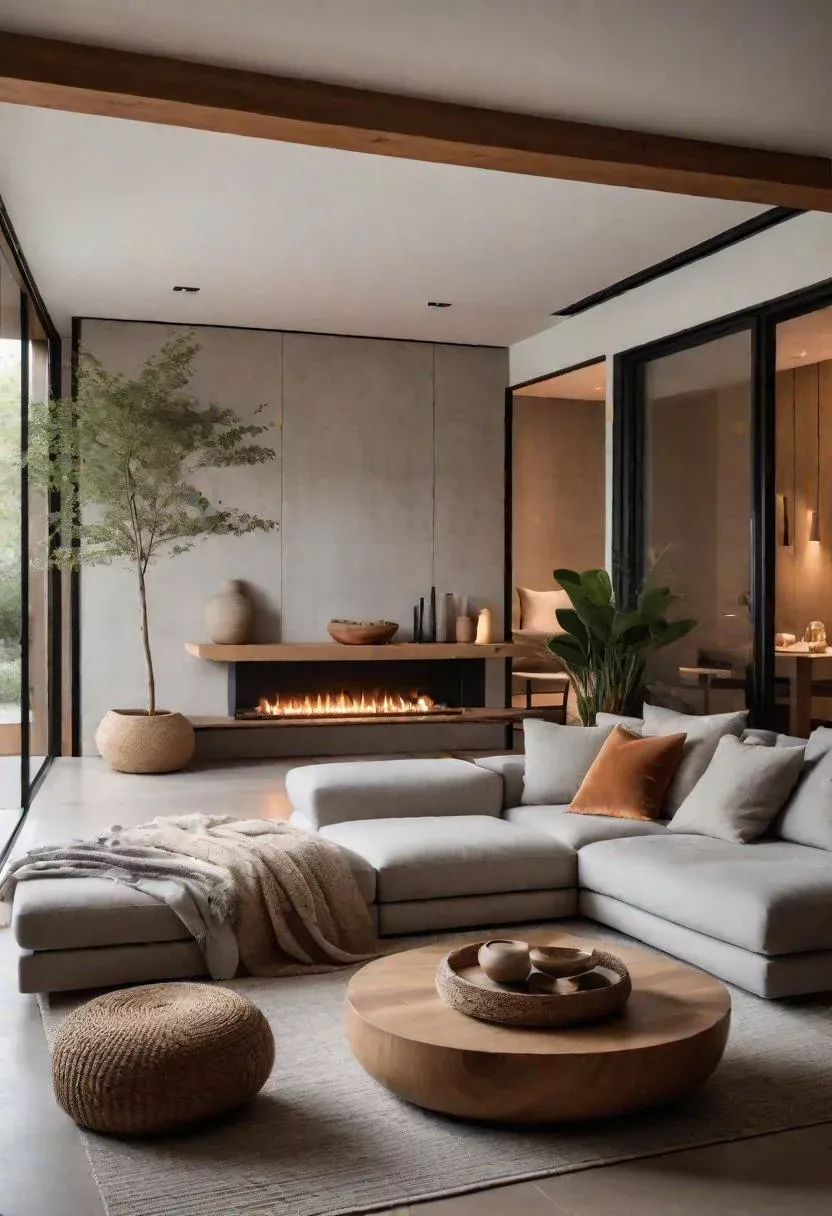
In the dynamic world of architecture and design, the term "contemporary home" is often used to describe residences that are innovative, stylish, and reflective...

"Unveiling Single Bed Dimensions: A Comprehensive Guide"
Understanding Single Size Bed Dimensions: A Comprehensive Guide When it comes to choosing the perfect bed for your space, understanding the dimensions of a...

"Unveiling the Best Decking Options: A Comprehensive Guide"
Choosing the Best Decking Material: A Comprehensive Guide When it comes to enhancing your outdoor living space, selecting the right decking material is...

"Revive Your Space: Mid-Century Track Lighting Ideas for Modern Homes"
Mid Century Track Lighting: A Timeless Fixture for Modern Spaces Mid century track lighting, a staple of the mid-20th-century design era, has made a remarkable...