"Unveiling Modern Scandinavian Design: A Guide to Minimalist Elegance"
What is Modern Scandinavian Design is a design movement that has taken the world by storm in recent years. It's a style that emphasizes simplicity, functionality, and minimalism. If you're new to Scandinavian design, you're in the right place! In this article, we'll dive into the world of modern Scandinavian design and explore what makes it tick.
Origins and Principles
Modern Scandinavian design has its roots in the 1950s and 60s, when Danish, Swedish, and Norwegian designers began experimenting with new materials and manufacturing techniques. The core principles of Scandinavian design are still followed today: simplicity, functionality, and minimalism. This style emerged as a response to the ornate and heavy furniture popular at the time.
- Simple and functional design
- Emphasis on natural materials
- Minimal ornamentation
Main Characteristics
So, what sets modern Scandinavian design apart from other styles? Let's take a closer look:
One of the defining features of Scandinavian design is its use of natural materials. Wood, leather, and wool are staples of the style, often paired with metal accents for a touch of contrast.
- Wood furniture with clean lines
- Leather and suede accents
- Natural textiles like wool and linen
Color Palette
The color palette of modern Scandinavian design is characterized by a prevalent use of neutral tones, with pops of bold color used sparingly. This balanced approach creates a sense of harmony and calm in the home or workspace.
The most common hues in Scandinavian design include:
- Soft grays and whites
- Warm wooden tones
- Neutral greenery
- Accent walls in bold colors like blue or yellow
Circle and Triangle Furniture
One of the most distinctive features of Scandinavian design is its use of round and triangular shapes. These shapes create visual interest and add to the cozy, inviting atmosphere of a room.
| Shape | Characteristics |
|---|---|
| Circle | Creates a sense of harmony and wholeness |
| Triangle | Adds a dynamic touch and creates visual interest |
Notable Examples</hassistant


Related Articles
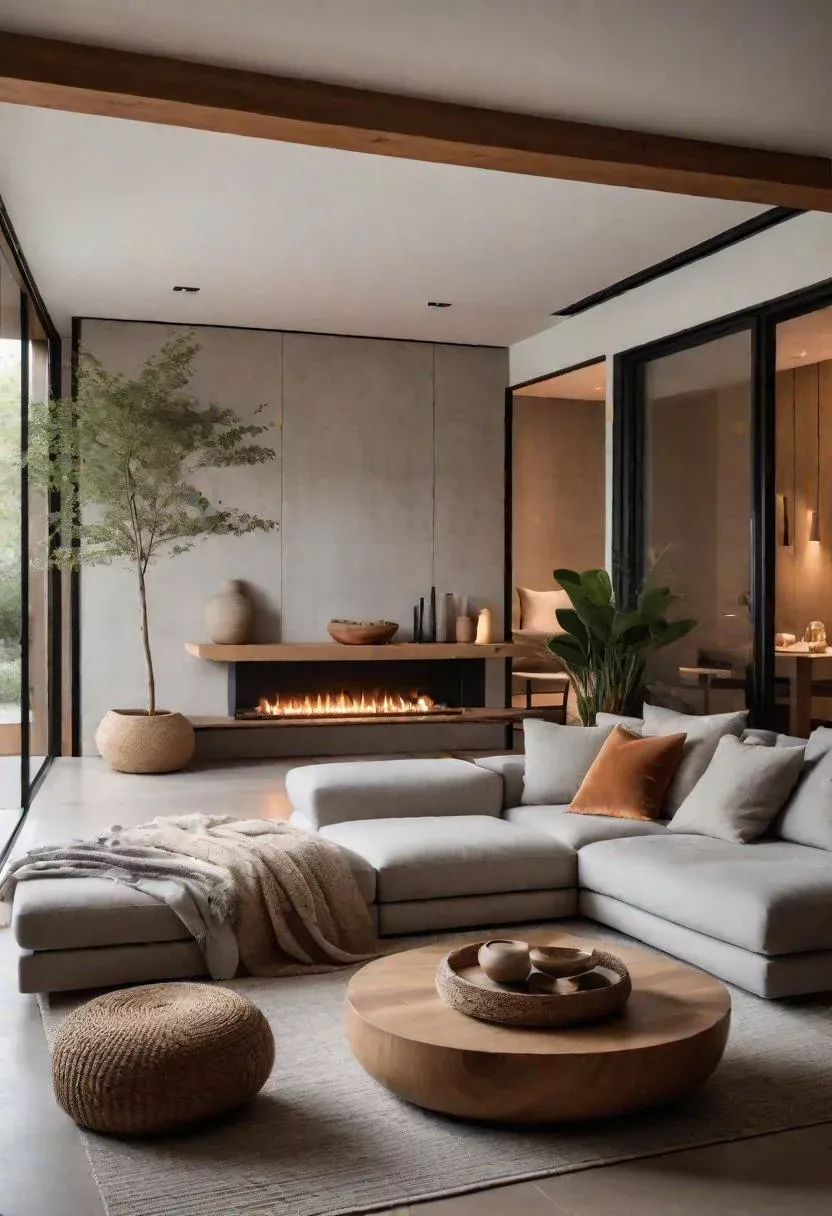
"Unveiling Contemporary Homes: Modern Design & Comfort Defined"
In the dynamic world of architecture and design, the term "contemporary home" is often used to describe residences that are innovative, stylish, and reflective...

"Scandinavian Chic: Modern Kitchen Cabinets for a Minimalist Dream"
Elevate Your Space: Scandinavian Design Kitchen Cabinets Embracing the principles of simplicity, functionality, and minimalism, Scandinavian design has taken...

"Unveiling the Best Cleaners for Quartz Countertops: A Comprehensive Guide"
Best Cleaners for Quartz Countertops: A Comprehensive Guide Quartz countertops are a popular choice for their durability, low maintenance, and sleek...

"Los Angeles' Top Modern Furniture Stores: Your Guide to Contemporary Design"
Discovering Modern Furniture Stores in Los Angeles Los Angeles, a city renowned for its vibrant culture and innovative design, is home to a plethora of modern...

"Unveiling the Best Fertilizer for Peonies: A Comprehensive Guide"
Optimizing Peony Growth: The Best Fertilizers for Your Garden Peonies are beloved for their lush foliage and stunning blooms, but they require the right...

"Unveiling Single Bed Dimensions: A Comprehensive Guide"
Understanding Single Size Bed Dimensions: A Comprehensive Guide When it comes to choosing the perfect bed for your space, understanding the dimensions of a...